
The Deutschlandticket Paradox: Why Labor’s Push for a Price Cut Faces Fiscal Gravity

5 min read
0Public TransportationGermany
The Deutschlandticket Paradox: Why Labor’s Push for a Price Cut Faces Fiscal Gravity

The Deutschlandticket, once heralded as the definitive solution to Germany’s fragmented regional Transport system, is currently navigating its most significant identity crisis since its inception. While the federal and state governments have already agreed to raise the monthly price from €49 to €58 starting in January 2025, a counter-narrative is emerging from the heart of the labor sector. Martin Buckert, head of the Railway and Transport Union (EVG), has signaled a demand for a 30% reduction in price, citing the necessity of relief for professionals and families amid a volatile energy market and a lingering oil crisis. This proposal, however, strikes at the very nerve of German fiscal policy: the tension between social subsidies and the constitutional debt brake.

germany train station commuter

For the international professional or resident in Germany, the Deutschlandticket is more than a convenience; it is a structural component of the cost of living. To understand the feasibility of a price cut, one must look at the mechanics of its funding. The current model relies on a €3 billion annual subsidy, split equally between the federal government (Bund) and the 16 federal states (Länder). By 2026, institutional projections suggest that the costs of operating regional rail—driven by rising personnel expenses and energy volatility—will create a funding gap that a €58 price point barely covers. A 30% reduction, which would bring the ticket down to approximately €40, would require an additional multibillion-euro commitment that the current federal budget trajectory does not support.

The Energy Lever and Labor’s Gambit

The EVG’s positioning is strategically timed. By linking transport costs to the oil crisis, the union is framing public mobility as a tool of macroeconomic stabilization. When energy prices rise, the cost of private vehicle ownership spikes, theoretically making public transit more attractive. However, the operational costs of the Deutsche Bahn and regional operators are not immune to these same energy pressures. Unlike private cars, regional trains are largely electrified, but the wholesale price of electricity in Germany remains sensitive to the broader energy mix and geopolitical shocks. Buckert’s call for a subsidy is essentially a call for a transfer of wealth from the federal treasury directly to the commuter’s wallet, bypassing the inflationary pressures of the pump.

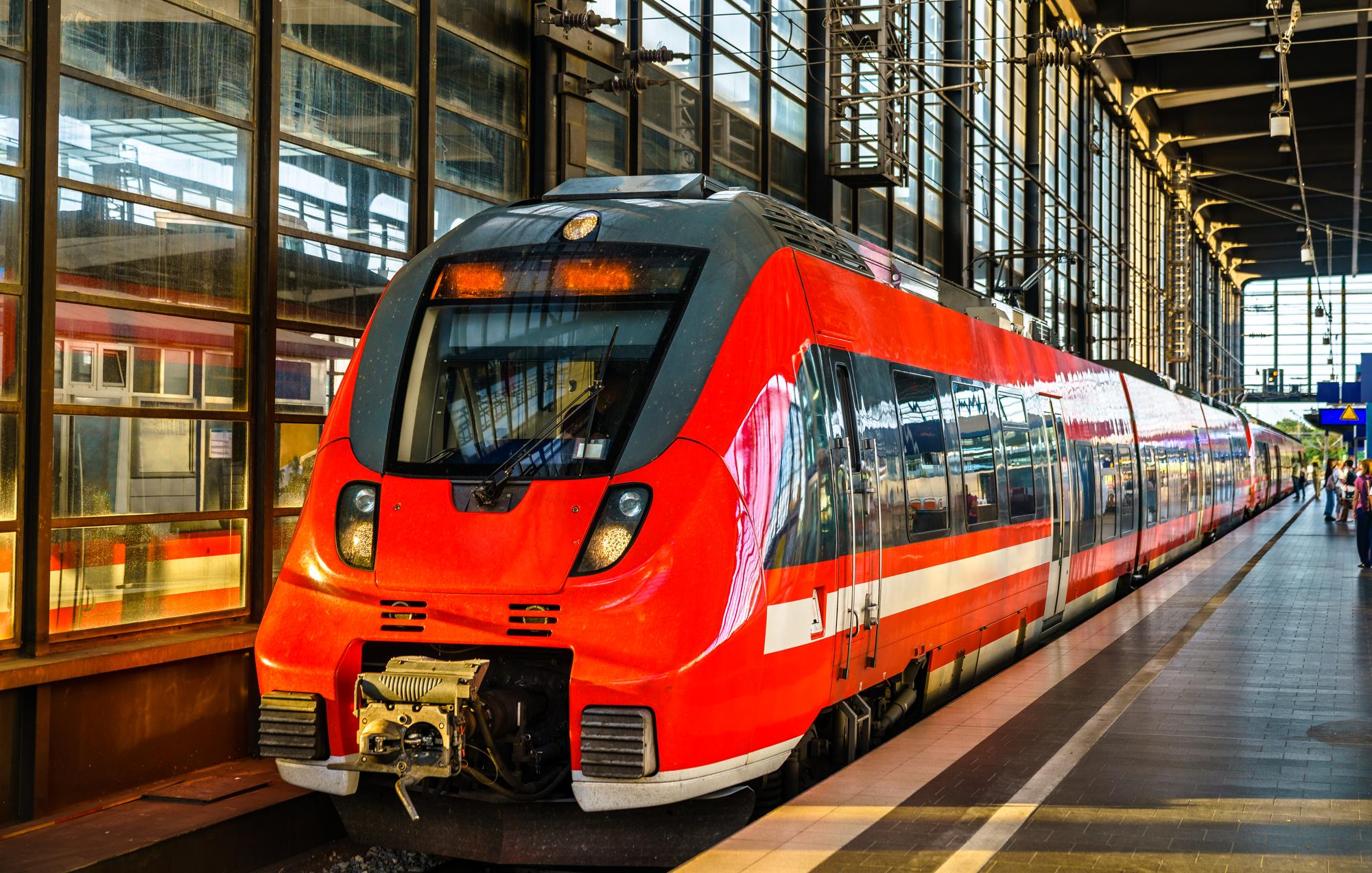
modern german regional train

Institutional signals from the Federal Ministry of Transport, led by Volker Wissing, suggest a starkly different priority: solvency and modernization. The Ministry’s 2026 outlook emphasizes that the priority must remain on infrastructure reliability rather than price suppression. For the expat professional, this is the critical trade-off to monitor. A cheaper ticket that results in deferred maintenance and increased cancellations provides no real value to a commuter whose professional reputation relies on punctuality. In the German context, 'reliability' is currently a more expensive commodity than 'access.'

Structural Constraints and the 2026 Outlook

Under review by the federal audit courts is the long-term sustainability of the 'flat-rate' mobility model. Critics of the EVG proposal point out that the Deutschlandticket is already a highly subsidized product. According to OECD and IMF guidelines on targeted subsidies, blanket price cuts across all income levels are often viewed as inefficient fiscal tools. If the price were to be cut by 30% in 2026, the deficit would likely be covered by reducing investments in the 'Schienenweg'—the actual rail network. This would exacerbate the existing backlog of renovations, which is already scheduled to disrupt major corridors throughout 2025 and 2026.

german rail tracks maintenance

Furthermore, the legal reality of the Deutschlandticket is governed by the Regionalisation Act (Regionalisierungsgesetz). Any change to the pricing structure requires a complex legislative dance between the Bundestag and the Bundesrat. The states have already expressed exhaustion regarding their financial contributions. Many regional transport authorities (Verkehrsverbünde) have signaled that without the €58 price point, they would be forced to cut service frequencies in rural areas to balance their books. Therefore, an EVG-driven price cut might ironically lead to a 'mobility desert' for those living outside major hubs like Berlin, Munich, or Frankfurt.

Navigating the Mobility Landscape

For the informed resident, the takeaway is clear: the Deutschlandticket’s price is a political variable, not a market one. While the EVG’s proposal highlights the very real pressure on household budgets, it remains at odds with the current federal commitment to fiscal consolidation. The expectation for 2026 should not be a price drop, but rather a fight to maintain the current service levels as the cost of labor and energy continues to rise. Professionals should plan their relocation and commuting budgets around the €58-€65 range, treating any lower proposal as aspirational labor rhetoric rather than imminent policy.

Misunderstanding this tension as a simple 'discount' ignores the risk of service degradation. In Germany, the cost of a ticket is a contract of sorts; if the price is forced too low by political mandate, the system’s ability to deliver the passenger to their destination on time is the first casualty. the first casualty. Relying on the EVG’s proposed 30% cut for long-term financial planning would be a mistake of naïveté in an era of fiscal restraint.

Comments

0/2000

STAY CONNECTED WITH THE EXPAT COMMUNITY

Subscribe to get expat tips, local insights, and connect with professionals around the world.