The SCHUFA Score Explained: How to Build Your German Credit History

10 min read
The SCHUFA Score Explained: How to Build Your German Credit History
germanyexpatschufa

Ah, Germany. The land of poets, thinkers, fairytale castles, and… bureaucracy. If you’ve just moved here, you’re likely navigating a whirlwind of new experiences, from deciphering recycling rules to discovering the magic of a fresh pretzel. But just as you think you’re getting the hang of it, you encounter a five-letter word that can stop any apartment hunt or phone contract application in its tracks: SCHUFA.

You found the perfect Altbau apartment with high ceilings and a sunny balcony. The landlord loves you. Everything is going smoothly until they ask, "Could you please provide your SCHUFA report?" Your what? It feels like a secret handshake you were never taught, another mysterious key to unlocking life in Germany.

Don't worry, we've all been there. That initial moment of confusion is practically a rite of passage for expats. But what seems like an intimidating bureaucratic monster is actually a manageable system once you understand how it works. This guide will demystify the SCHUFA score, explain why it's your financial passport in Germany, and give you a step-by-step plan to build a strong credit history from scratch.

What on Earth is SCHUFA?

Let's start with the basics. SCHUFA stands for Schutzgemeinschaft für allgemeine Kreditsicherung, which translates to the "Protection Association for General Credit Security." It's Germany's largest and most well-known private credit bureau.

Think of it this way: SCHUFA is not a government agency. It's a private company that collects data on consumer payment behavior. Its clients—banks, mobile phone companies, landlords, and online retailers—use this data to assess the risk of doing business with you. In short, your SCHUFA score tells them how likely you are to pay your bills on time.

For an expat, your SCHUFA report is crucial for:

  • Renting an apartment: This is the most common reason you'll need one. Almost every landlord or property manager will request a SCHUFA-BonitätsAuskunft (creditworthiness certificate).
  • Getting a mobile phone contract: Want a new iPhone with a 24-month plan? The provider will check your SCHUFA.
  • Opening a bank account: While basic debit accounts are usually fine, getting an account with an overdraft facility (Dispokredit) or applying for a credit card will trigger a SCHUFA check.
  • Financing a purchase: Whether it's a new car, a kitchen from IKEA, or a laptop from MediaMarkt, any installment plan will involve a look at your credit history.
  • Signing up for utilities: In some cases, electricity or internet providers may check your score, especially if you are new to the country.

The Expat's Catch-22: Building Credit from Zero

Here’s the frustrating paradox every newcomer faces. To rent an apartment, you need a good SCHUFA score. But to get a SCHUFA score, you need to have a registered address (Anmeldung), a bank account, and some contracts—things you can’t easily get without an apartment. It's a classic chicken-and-egg problem.

So, how do you break the cycle?

  1. Temporary Housing is Key: Start with temporary accommodation (like a serviced apartment or a short-term sublet) where the landlord doesn't require a SCHUFA report. This allows you to get your all-important Anmeldung (city registration).
  2. Be Transparent: When you find a long-term apartment, be upfront with the landlord. Explain that you are new to Germany and don't have a SCHUFA history yet. Offer alternatives like providing employment contract details, bank statements showing sufficient funds, or a letter from your employer. Some landlords are understanding, especially in less competitive rental markets.

How Your SCHUFA Score is Calculated (and What It's Not)

SCHUFA’s exact algorithm is a trade secret, much like the Coca-Cola recipe. However, we know the key factors that influence your score. It's just as important to understand what they don't look at, as there are many myths floating around.

What SCHUFA Collects (The Positive and Negative Data):

  • Personal Details: Your name, date of birth, current and previous addresses.
  • Bank Accounts: Information on your checking accounts (Girokonten).
  • Credit Cards: The existence of credit card accounts.
  • Loans and Installment Plans: Personal loans, car financing, mortgage details, and payment plans with retailers.
  • Contracts: Mobile phone and leasing contracts.
  • Negative Information: This is the heavy-hitting stuff. Late payments that have gone through a formal dunning process (Mahnverfahren), defaulted loans, or court-ordered payment enforcements.

What SCHUFA Does NOT Collect (Myth-Busting Time):

  • Your income or salary.
  • Your employer or profession.
  • Your marital status or number of children.
  • Your nationality or religious beliefs.
  • Your savings or investment portfolio.
  • Your shopping habits.

The system is based on your past payment behavior, not your wealth. A CEO who misses payments will have a worse score than a student who pays every bill on time.

Your Step-by-Step Guide to Building a German Credit History

Ready to become a model German financial citizen? Building a positive SCHUFA record isn't about being rich; it's about being reliable. Follow these steps methodically, and you'll be on your way.

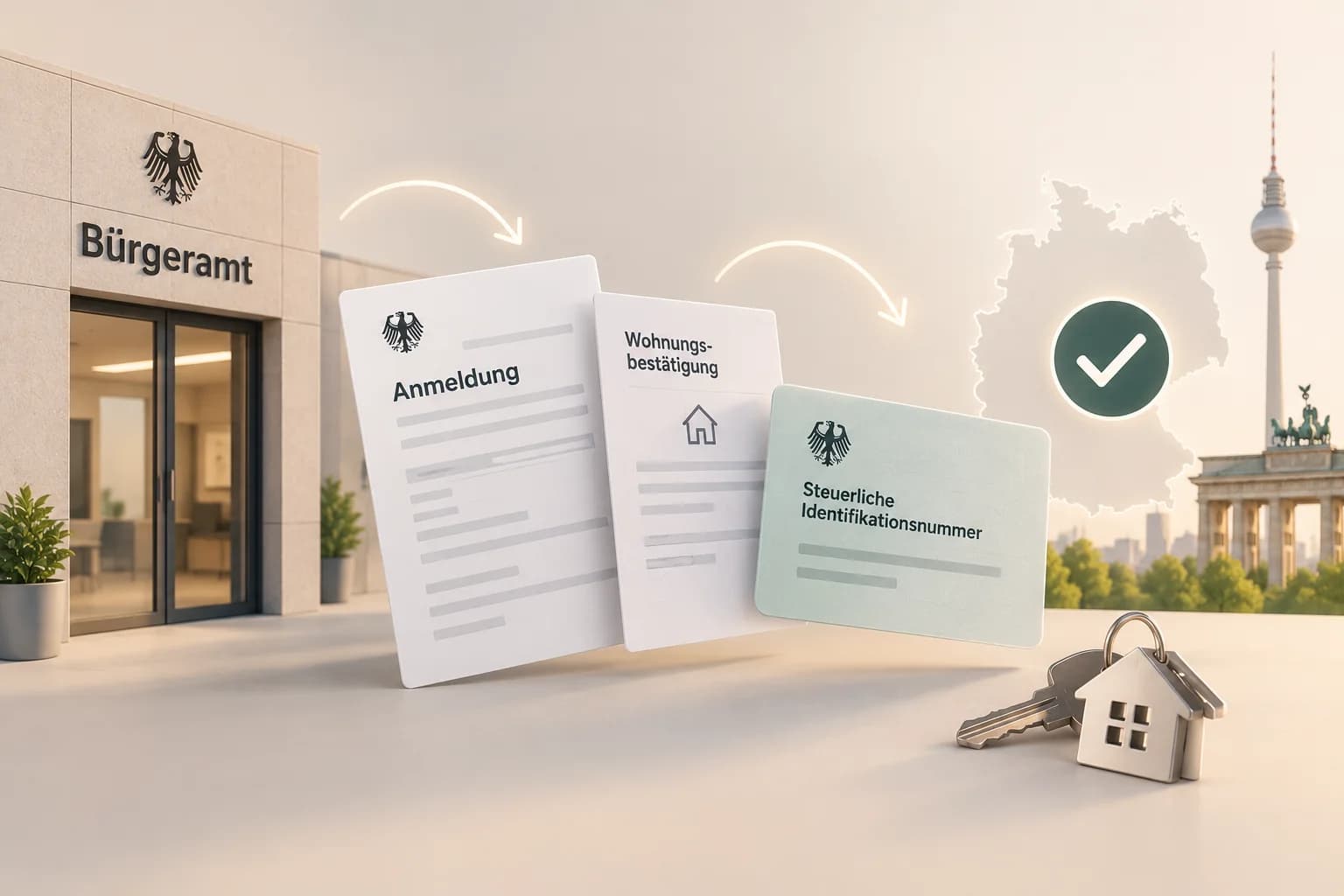
1. The Anmeldung: Your Official Start Everything in Germany starts with the Anmeldung (city registration). As soon as you move into your temporary or permanent home, book an appointment at your local Bürgeramt. This piece of paper is the golden ticket to opening a bank account and officially existing in the German system.

2. Open a German Bank Account (Girokonto) With your Anmeldung and passport in hand, go to a bank and open a Girokonto (checking account). This is a foundational step. Having a German bank account that’s in good standing is one of the first positive data points SCHUFA will receive about you.

3. Sign a Mobile Phone Contract (Handyvertrag) While a prepaid SIM card is easy, signing a 24-month mobile phone contract is a great way to build your credit history. It shows a company has trusted you with a long-term payment plan. Make sure you can comfortably afford the monthly fee.

4. Pay Every Single Bill on Time (The Golden Rule) This cannot be overstated. Punctuality is everything. The best way to ensure this is by setting up direct debits (Lastschriftverfahren) for all your recurring bills like rent, utilities, phone, and health insurance. This automates your payments and eliminates the risk of forgetting. A single missed payment that goes to collections can seriously damage your score for years.

5. Use Credit Responsibly Once you've been here for a bit, consider getting a real German credit card (not just a debit card). Using it for small purchases and paying the balance in full each month demonstrates that you can handle credit responsibly. Similarly, having an overdraft facility (Dispo) on your bank account—even if you don't use it—is seen as a sign of trust from your bank.

6. Avoid "Shopping Around" for Loans When comparing loans or financing, be careful. There are two types of inquiries:

  • Konditionsanfrage (Condition Inquiry): This is a "soft check" to see what terms you might qualify for. It does not affect your SCHUFA score. Always ask for this when comparing offers.
  • Kreditanfrage (Credit Inquiry): This is a "hard check" made when you formally apply for a loan. Multiple hard inquiries in a short period can lower your score, as it looks like you're desperate for credit.

How to Get Your SCHUFA Report

Okay, you've laid the groundwork. Now, how do you actually see your score? You have a couple of options, and choosing the right one depends on your needs.

Report Type Name Cost Delivery Best For...
Free Annual Report Datenkopie (nach Art. 15 DS-GVO) Free By post (2-4 weeks) A detailed personal review of all your stored data.
Paid Certificate SCHUFA-BonitätsAuskunft €29.95 Instant PDF download Giving to a landlord or real estate agent.

Option 1: The Free Datenkopie Under GDPR (or DS-GVO in German), you are entitled to one free, comprehensive copy of all the data a company holds on you per year. This is your right. You can order it directly from the official SCHUFA website (meineSCHUFA.de). It's a bit hidden, so look for the link related to Datenkopie nach Art. 15 DS-GVO.

  • Pro: It's free and incredibly detailed.
  • Con: It can take weeks to arrive by mail and contains sensitive information you might not want to share with a landlord.

Option 2: The Paid BonitätsAuskunft This is the official-looking, one-page certificate designed specifically for third parties like landlords. It provides a simple overview of your creditworthiness (e.g., "no negative information on record") and includes a verification code. You can order it online and download it instantly.

  • Pro: It's fast, professional, and exactly what landlords expect to see.
  • Con: It costs €29.95. For a competitive apartment hunt, this fee is often a necessary investment.

Decoding Your SCHUFA Score

When you get your detailed report, you'll see a Basisscore (Base Score), expressed as a percentage. This score predicts the likelihood of you meeting your financial obligations. Here's a general guide to what it means:

Score Range Risk Assessment Interpretation
> 97.5% Very Low Risk Excellent. You are seen as an extremely reliable borrower.
95% - 97.5% Low Risk Good. You'll have no problem getting approved for most things.
90% - 95% Satisfactory Risk Okay, but might raise an eyebrow for very large loans.
80% - 90% Increased Risk You may face rejections for credit or contracts.
< 80% High Risk It will be very difficult to get any form of credit.

When you're new, your score will likely start around 95% and can climb higher as you build a longer, positive history.

Found an Error? How to Fix Your Record

Mistakes happen. An old, paid-off debt might still be listed, or there could be incorrect personal information. If you find an error on your report, you have the right to get it corrected.

  1. Get Your Free Datenkopie: First, order the detailed free report to get all the specifics.
  2. Gather Evidence: Collect any documents that prove the information is wrong (e.g., a payment confirmation, a letter from the creditor).
  3. Contact SCHUFA: Submit your correction request in writing (by post or via their online portal), clearly explaining the error and providing your evidence.
  4. Follow Up: SCHUFA is legally required to investigate your claim. During the investigation, the disputed entry is usually blocked. If your claim is valid, they must delete or correct the information.

Your Financial Passport to German Life

Navigating the SCHUFA system is a quintessential part of setting up your life in Germany. It may seem like just another bureaucratic hurdle at first, but think of it as your financial passport. A good score opens doors—to better apartments, better financial products, and a smoother, less stressful integration into your new home.

The key takeaway is this: your SCHUFA score is not a judgment of your character or your wealth. It is simply a record of your reliability. By understanding the rules, paying your bills on time, and being proactive, you can build a strong German credit history that will serve you well for your entire stay, whether it's for one year or a lifetime. Welcome to Germany—you've got this.

Subscribe to Our Newsletter

Welcome to our newsletter hub, where we bring you the latest happenings, exclusive content, and behind-the-scenes insights.

*Your information will never be shared with third parties, and you can unsubscribe from our updates at any time.