The German Housing Search: Key Terms and Platforms for Success

You’ve done it. You’ve navigated the visa process, packed your life into a few suitcases, and landed in Germany, ready for your new adventure. The excitement is palpable. But between the thrill of exploring a new culture and the taste of your first proper pretzel, a formidable challenge looms: the German housing search.
If you’re currently scrolling through apartment listings feeling like you’re trying to decipher an ancient code, you are not alone. I’ve been there. Every expat I know has been there. The competitive market, the endless abbreviations, and the mountain of paperwork can feel overwhelming. But here’s the good news: with the right knowledge and a bit of strategic preparation, you can conquer the hunt and find your perfect German Zuhause (home).
This guide is your roadmap. We’ll break down the essential vocabulary, introduce the best platforms, create your bulletproof application folder, and share the insider tips that will put you ahead of the competition.
Cracking the Code: Your German Rental Glossary
First things first, let’s decode those cryptic apartment ads. Understanding these terms is the single most important step in your German housing search. Trying to find a flat without knowing the difference between Kaltmiete and Warmmiete is like trying to navigate the Autobahn blindfolded.
Here are the non-negotiable terms you need to master:
| German Term | English Meaning & Explanation |
|---|---|
| Kaltmiete | "Cold Rent." This is the base rent for the property itself, excluding all additional costs. |
| Warmmiete | "Warm Rent." This is the "all-inclusive" price you'll actually pay the landlord each month. It's the Kaltmiete plus the Nebenkosten. |
| Nebenkosten (NK) | "Additional Costs" or "Service Charges." These are the running costs of the building, which are shared among tenants. This typically includes heating, water, trash disposal, building cleaning, and property taxes. Crucially, it usually does not include electricity or internet. You will have to register and pay for those separately. |
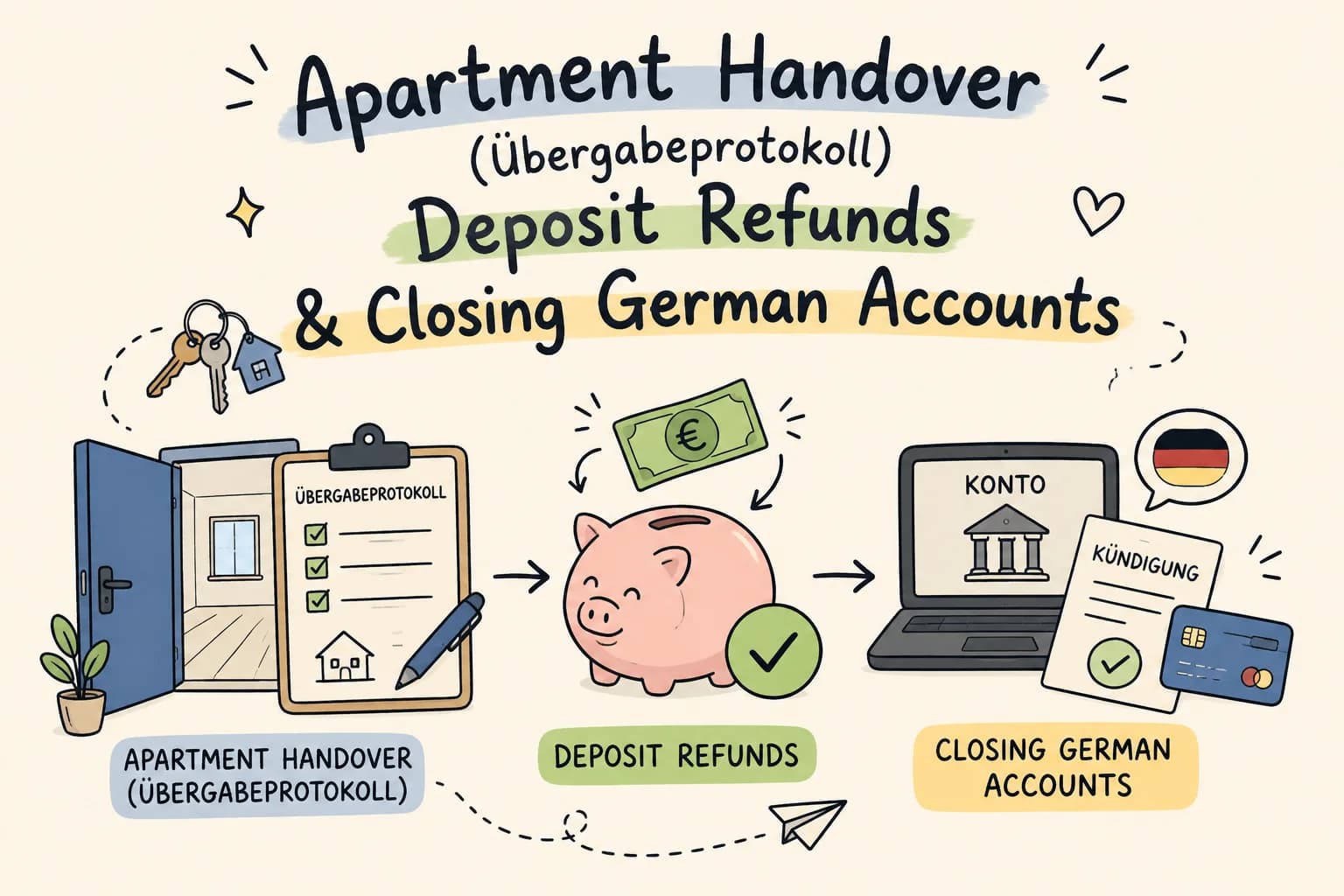
| Kaution | "Security Deposit." Legally capped at a maximum of three months' Kaltmiete. The landlord must place this money in a separate, interest-bearing account (Mietkautionskonto). You get it back after you move out, assuming there are no damages. |
| Provision / Courtage | "Commission" or "Agent's Fee." This is a fee paid to the real estate agent (Makler). Thanks to a 2015 law called the Bestellerprinzip (the "procurer pays" principle), the person who hires the agent is the one who pays them. If a landlord hires an agent to list their flat, they pay the fee. If you hire an agent to find you one, you pay. Most online listings are commissioned by the landlord, so they are often provisionsfrei (commission-free) for the tenant. |
| WG (Wohngemeinschaft) | "Shared Flat" or "Flatshare." An extremely common living arrangement, especially in university cities. You rent a private room and share common areas like the kitchen and bathroom. |
| EBK (Einbauküche) | "Fitted Kitchen." This is a HUGE one. In Germany, it is not standard for apartments to come with a kitchen. If an ad doesn't mention an EBK, you may be looking at a room with nothing but water and electrical connections on the wall. You would be expected to buy and install your own kitchen. Always clarify this! |
| Schufa-Auskunft | "SCHUFA Report." This is your German credit report. Landlords see it as essential proof of your financial reliability. Getting this is a top priority for any serious apartment hunter. You can order it directly from the SCHUFA website. |
| WBS (Wohnberechtigungsschein) | "Housing Entitlement Certificate." A permit that allows individuals with lower incomes to rent subsidized social housing. Most expats on work visas will not be eligible for this, but it's good to know what it means when you see it in an ad. |
Your Digital Toolkit: The Best Platforms for Your Search
Now that you speak the language, it’s time to hit the digital streets. Your success often depends on using the right platform for your needs.
The Market Leaders (for Unfurnished, Long-Term Rentals)
-
ImmobilienScout24 (ImmoScout24): This is the undisputed king of German real estate portals. It has the largest number of listings and is the first stop for most landlords and agents.

- Pro-Tip: The market is fierce. Consider paying for their MieterPlus (TenantPlus) premium membership. It boosts your profile's visibility, gives you early access to some listings, and can help you get a response in crowded markets like Berlin or Munich.
-
ImmoWelt: The main competitor to ImmoScout24. It has a slightly different inventory of listings, so it’s always worth running your search on both platforms to maximize your options. The interface is similar, and it’s a solid, reliable choice.
The Niche Players and Hidden Gems
-
WG-Gesucht.de: While its name translates to "WG Wanted," this site is a goldmine for more than just shared flats. Many private landlords prefer its simpler, less corporate interface for listing entire apartments (Wohnungen). You'll find everything here from a single room in a shared flat to a 4-room family apartment, often directly from the owner, meaning no agent fees.
- Culture: The vibe here is more personal. A well-written, friendly message introducing yourself can work wonders.
-
Kleinanzeigen (formerly eBay Kleinanzeigen): Think of this as Germany's Craigslist. It's a massive classifieds site where you can find anything, including apartments listed directly by landlords (von Privat).
- Word of Caution: Because it's less regulated, you must be extra vigilant about scams here. Never, ever send money before seeing a flat and signing a contract. If a deal seems too good to be true, it almost certainly is.
The Expat-Friendly "Soft Landing" (for Furnished, Short-Term Rentals)
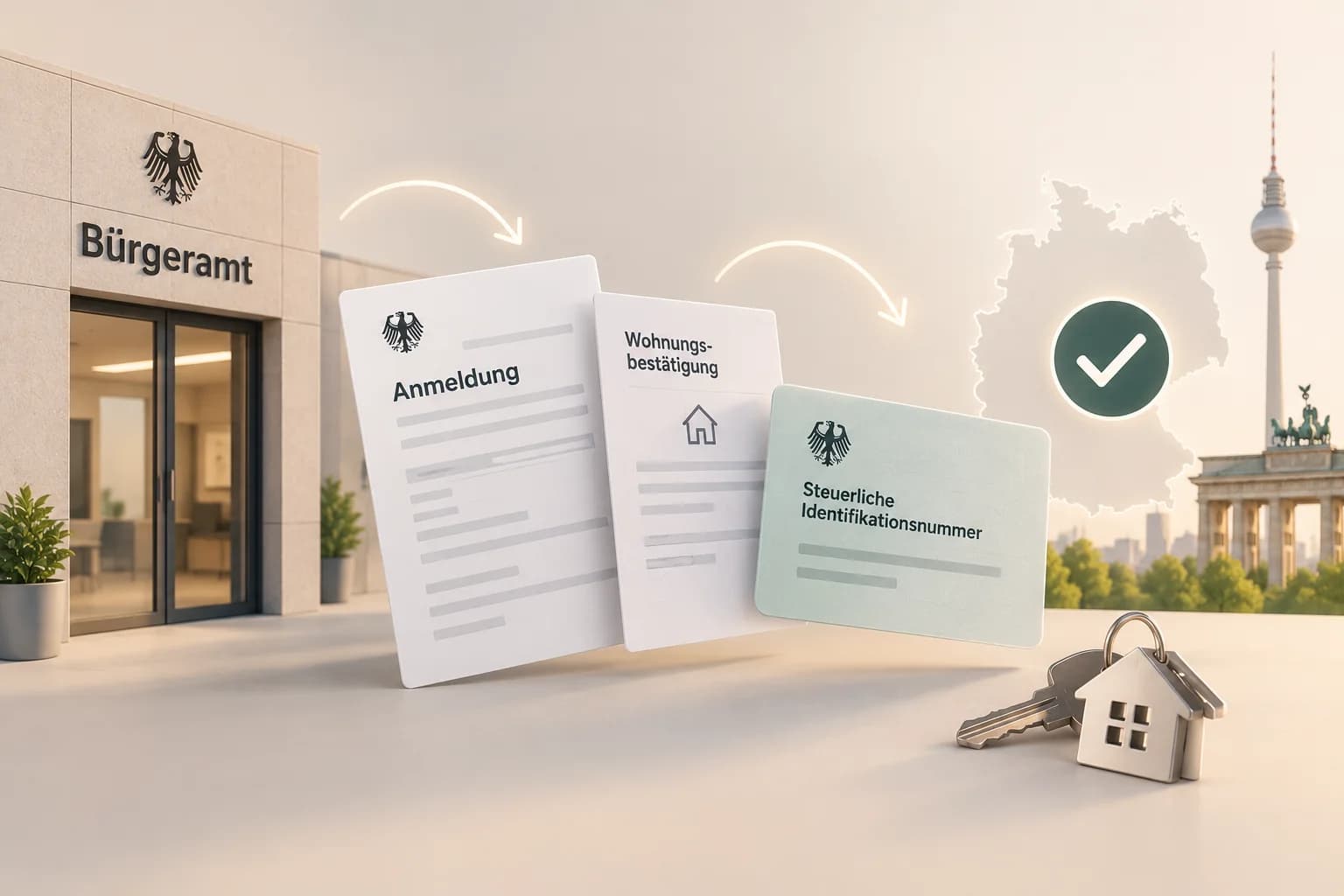
If you're just arriving and need a place to land while you search for a long-term home, these platforms are your best friends. They offer furnished, all-inclusive apartments that can be rented for a few months. This gives you a valid address for your all-important Anmeldung (city registration) without the long-term commitment. They are more expensive, but the convenience is often worth the price.
- Wunderflats
- HousingAnywhere
- Homelike
The "Bewerbungsmappe": Your Secret Weapon
In Germany, you don’t just "ask" to rent an apartment; you apply for it. Landlords in popular cities often receive dozens, if not hundreds, of applications. Your goal is to make it as easy as possible for them to say "yes" to you. You do this by preparing a flawless application folder, or Bewerbungsmappe.
Have these documents scanned and ready as a single, well-organized PDF file to attach to every inquiry:
- A Personal Cover Letter (Anschreiben): A short, friendly paragraph introducing yourself. Who are you? Why are you moving to Germany? What do you do for work? Why do you like this specific apartment? Show you’re a responsible and stable potential tenant.
- Tenant Self-Disclosure Form (Mieterselbstauskunft): Many real estate agencies have their own form, but it’s wise to have a standard one filled out and ready to go. You can find templates online. It covers basic personal and financial information.
- Proof of Income (Einkommensnachweis): Typically your last three payslips. If you’re new to a job, your work contract showing your position and salary is essential. Landlords generally look for tenants whose monthly Kaltmiete is no more than one-third of their net income.
- SCHUFA Report (Schufa-Auskunft): Non-negotiable. This proves you are financially trustworthy. As a newcomer, you may not have a SCHUFA score yet. In this case, provide a credit report from your home country and a letter from your German bank showing you have sufficient funds.
- Copy of ID and Residence Permit: Your passport and visa or residence permit card.
- Proof of No Rental Debt (Mietschuldenfreiheitsbescheinigung): A letter from your previous landlord confirming you paid your rent on time and have no outstanding debts. If you're new to Germany, a letter from your previous landlord in your home country (translated if necessary) or bank statements showing consistent rent payments can work as a substitute.
A Reality Check: Rental Prices in Major German Cities
The cost of housing varies dramatically across Germany. The south is generally more expensive than the north, and large cities are pricier than rural areas. Here's a snapshot of what you can expect to pay on average for a new rental contract.
Average "Kaltmiete" (Cold Rent) per Square Meter for New Listings (Q1 2024)
| City | Average Price per m² | Example: 70m² Apartment |
|---|---|---|
| Munich | €22.39 | ~ €1,567 |
| Berlin | €18.73 | ~ €1,311 |
| Hamburg | €16.59 | ~ €1,161 |
| Frankfurt | €18.23 | ~ €1,276 |
| Cologne | €15.76 | ~ €1,103 |
Source: Data adapted from market analyses by sources like Immowelt and local housing reports for early 2024. Prices are for newly offered listings and can fluctuate.
The Hunt in Action: Navigating Viewings and Avoiding Scams
You’ve sent out a dozen applications and finally got a reply for a viewing (Wohnungsbesichtigung). Congratulations! Now, it's time to impress.
- Be Fast and Punctual: Respond to viewing invitations immediately to confirm, and arrive five minutes early. Punctuality is deeply respected in Germany.
- Come Prepared: Bring a printed copy of your Bewerbungsmappe with you. Handing it to the agent or landlord at the viewing shows you are serious and organized.
- Dress Smartly: You don't need a full suit, but smart-casual attire shows you are taking the opportunity seriously.
- Beware of Scams: Be on high alert for red flags. The most common scam involves a "landlord" who is conveniently out of the country and asks you to pay a deposit via a wire transfer service like Western Union or a shady third-party site to have the keys "shipped" to you. Never transfer money for a deposit or rent before you have physically visited the apartment, met the landlord or agent, and signed a legitimate rental contract (Mietvertrag).
Your Takeaway: Preparation is Everything
The German housing search can feel like a full-time job, and at times, it’s easy to get discouraged. But it is not an impossible task.
The key to success is preparation. Learn the vocabulary, choose the right platforms for your needs, and assemble a perfect application folder before you even start your search. By presenting yourself as an organized, reliable, and informed candidate, you significantly increase your chances of standing out in a crowded market.
The process is a marathon, not a sprint. Be persistent, stay positive, and be ready to act fast when the right opportunity arises. Before you know it, you'll be unlocking the door to your new German home, ready to truly begin your life here. Good luck
Subscribe to Our Newsletter
Welcome to our newsletter hub, where we bring you the latest happenings, exclusive content, and behind-the-scenes insights.
*Your information will never be shared with third parties, and you can unsubscribe from our updates at any time.