
Mental Health Support for Expats in Estonia: Finding a Therapist

9 min read
Healthcare WellnessEstonia
Mental Health Support for Expats in Estonia: Finding a Therapist
Healthcare Wellnessestoniaexpathealth

Moving abroad is an adventure, a leap of faith into a new culture, language, and way of life. You’ve done it. You’ve navigated the paperwork for your residence permit, found a flat in a charming Kalamaja building, and maybe even mastered saying “aitäh” without a second thought. Estonia, with its medieval old towns, thriving tech scene, and stunning natural beauty, is an incredible place to call home. But let's be real—the expat journey isn't always filtered through a perfect Instagram lens.

Beneath the excitement of discovery, there can be a quiet undercurrent of challenges: the ache of loneliness, the stress of a new job, or the creeping gloom of a long, dark Baltic winter. Taking care of your mental well-being is not a luxury; it's a fundamental part of building a sustainable and happy life here. If you're feeling overwhelmed, you are not alone, and seeking support is a sign of strength.

But where do you even start? Navigating a foreign healthcare system to find mental health support can feel like a daunting task. This guide is here to demystify the process of finding a therapist in Estonia, offering clear, practical, and up-to-date information for 2025.

The Expat Experience and Mental Health

Before we dive into the "how," let's validate the "why." The struggles you might be facing are common for expats everywhere.

  • Culture Shock and Integration: The initial honeymoon phase can wear off, leaving you grappling with subtle cultural differences that can be isolating. Estonians are often stereotyped as reserved, and while incredibly warm once you get to know them, breaking the ice can take time.
  • Loneliness and Missing Your Support System: Video calls are great, but they can't replace a hug from a lifelong friend or a casual coffee with a family member who just gets it. Building a new community from scratch is hard work.
  • Seasonal Affective Disorder (SAD): Estonia's winters are beautiful but notoriously dark, with daylight dwindling to just a few hours around the solstice. For many, especially those from sunnier climes, this can trigger SAD, leading to low energy, mood swings, and feelings of depression.
  • Work and Performance Pressure: Whether you're here for a high-pressure tech job or starting your own venture, the stress of performing in a new professional environment can take its toll.

Recognizing these challenges is the first step. The next is knowing how to access the help you deserve.

Navigating the Estonian Healthcare System for Mental Health

Estonia has a high-quality, universal healthcare system, but understanding how it applies to mental health is key. It's essentially a two-tiered system: public and private.

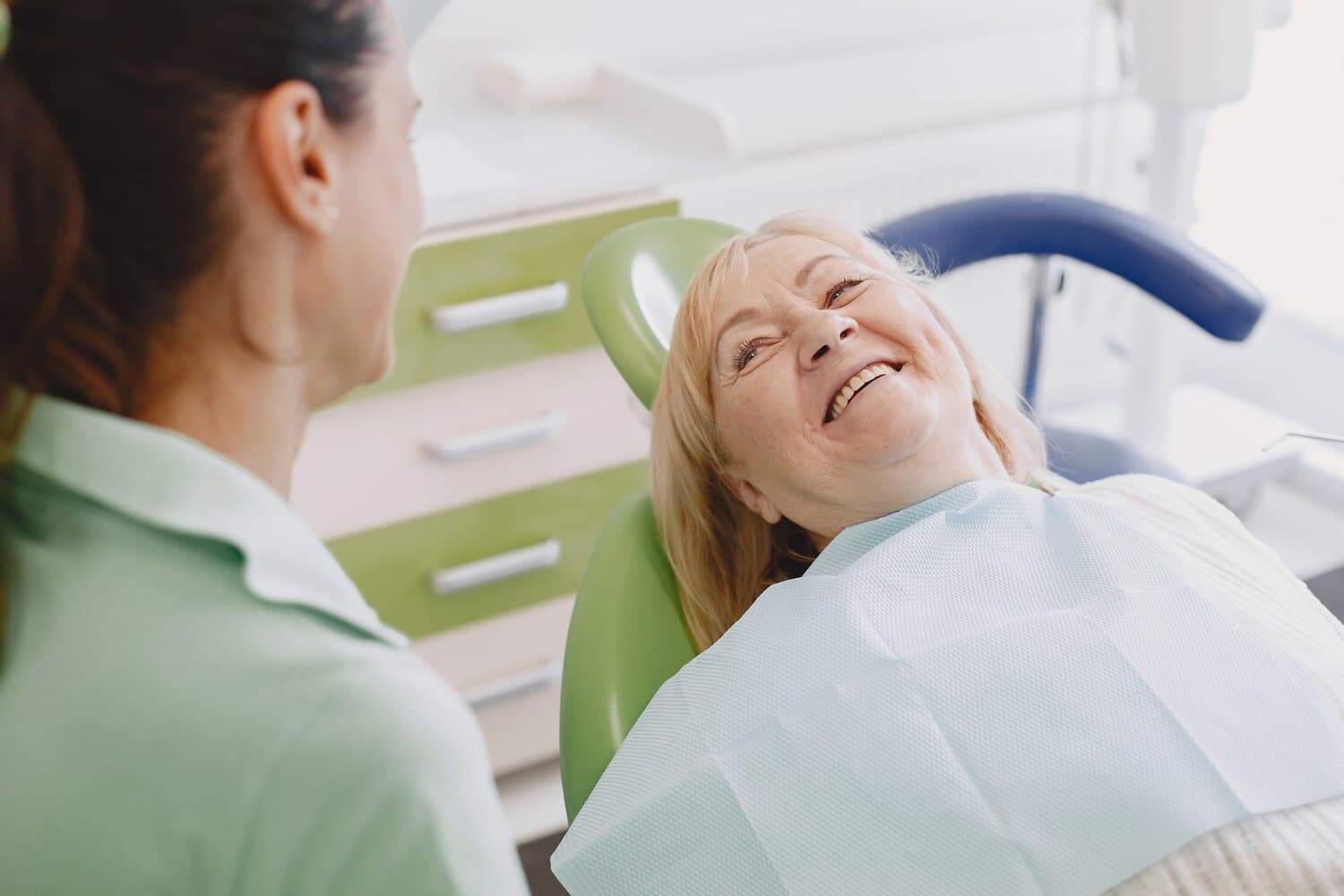
1. The Public System: The Estonian Health Insurance Fund (Tervisekassa)

If you are a resident of Estonia and have national health insurance—typically through employment—you are covered by the Tervisekassa (formerly known as Haigekassa).

How it works:

  • Your GP (Perearst) is the Gatekeeper: Your first port of call is always your registered family doctor (perearst). You must speak to them about your mental health concerns.
  • Referral to a Psychiatrist: Your GP can refer you to a psychiatrist (psühhiaater). Consultations with a referred psychiatrist are covered by the Tervisekassa, meaning you only pay a small visit fee (around €5). Psychiatrists can diagnose conditions and prescribe medication.
  • The Major Hurdle: Wait Times: Here’s the critical downside. The waiting lists for public psychiatrists can be incredibly long—we're talking several months, sometimes even longer, especially for non-urgent cases. For an expat in immediate distress, this is often not a viable option.
  • What about Psychologists and Therapists? This is where it gets tricky. The public system’s coverage for psychotherapy or sessions with a psychologist is very limited. While some clinical psychologists work within public hospitals, accessing them is difficult and also involves long waits. Generally, talk therapy is not well-covered by the state.

In summary: The public system is an option for getting a diagnosis and prescription medication from a psychiatrist, but it requires patience. It is not a fast track to finding an English-speaking talk therapist.

2. The Private Route: Your Most Direct Path to Support

For most expats seeking therapy, the private sector is the most practical and efficient choice. It offers faster access, a wider choice of specialists, and, most importantly, services in English and other languages.

Why go private?

  • Speed: You can often get an appointment within a week or two.
  • Language: You can specifically search for therapists who are fluent in English or your native language.
  • Choice: You can choose your therapist based on their specialization (e.g., CBT, anxiety, relationship counseling), approach, and background.
  • No Referral Needed: You can contact a private therapist or clinic directly without going through a GP.

How to Find an English-Speaking Therapist in Estonia

Okay, so you’ve decided the private route is for you. Where do you look?

Online Directories and Platforms

These are excellent starting points for finding licensed professionals.

  • Peaasi.ee: While primarily in Estonian, this is a fantastic mental health resource. They offer information and support, and their team can sometimes guide you toward English-speaking professionals. They also have a youth-focused counseling service.
  • Sensus: This is a private center for psychology and psychotherapy in Tallinn and Tartu. They have a team of qualified professionals, many of whom offer services in English and other languages. They list their specialists and their areas of expertise directly on their website.
  • Confido: A well-known private medical center with locations across Estonia, Confido offers a wide range of services, including mental health support from psychologists and psychiatrists in English.
  • International Therapy Platforms: Services like BetterHelp or Talkspace are popular among expats. They connect you with licensed therapists online. The advantage is you can often find a therapist from your home country, which can be helpful for cultural understanding. The downside is that they may not have specific knowledge of the expat experience in Estonia.

Community and Insurance Recommendations

  • Expat Facebook Groups: Don't underestimate the power of community. Groups like "Expats in Tallinn/Estonia" are treasure troves of real-world advice. Use the search function to look for past discussions on "therapist" or "mental health." You can also post an anonymous query (if the group allows) to ask for recommendations.
  • Your Embassy: Some embassies keep lists of recommended English-speaking medical professionals, including therapists, for their citizens.
  • Your International Health Insurance Provider: If you have private international health insurance (e.g., Cigna, Bupa, Allianz), check their network of approved providers in Estonia. This can also streamline the claims process.

What to Expect: Costs, Sessions, and Cultural Context

Understanding the practicalities can help ease any anxiety about taking the first step.

The Cost of Private Therapy in Estonia

This is a significant factor for many. Private therapy is an investment in your well-being. As of early 2025, you can expect to pay the following for a standard 50-60 minute session:

Service Type Average Cost Range (per session) Notes
Private Psychologist/Therapist €70 - €120 Prices vary by specialist's experience, location (Tallinn is pricier).
Private Psychiatrist €100 - €180 For initial diagnosis and medication management; follow-ups may be less.
Online Platform (e.g., BetterHelp) €50 - €90 (per week) Often subscription-based, includes messaging and one live session.

A Note on Insurance: Some Estonian employers offer extended health benefits that may cover a certain number of therapy sessions. It is absolutely worth checking your employment contract or speaking with your HR department.

The Cultural Approach to Mental Health

Estonia is a forward-thinking, digital nation, but like many places, it has a history of stoicism. Older generations may be less open about mental health, but attitudes are rapidly changing, especially among younger people in urban areas like Tallinn and Tartu. The stigma is fading, and seeking therapy is increasingly seen as a normal and healthy part of self-care.

Your Estonian therapist will likely be professional, direct, and solution-focused. However, every therapist is an individual, and the most important thing is finding someone with whom you feel a comfortable and trusting connection.

Practical Steps for Getting Started

Feeling ready to reach out? Here’s a simple action plan.

  1. Define Your Needs: What are you struggling with? Are you looking for long-term talk therapy, short-term cognitive behavioral therapy (CBT) to tackle a specific issue, or perhaps couples counseling? Having a general idea helps narrow your search.
  2. Do Your Research: Use the resources listed above. Shortlist 3-4 potential therapists whose profiles and specializations resonate with you.
  3. Send an Inquiry Email: Your first email doesn't need to be a full life story. Keep it brief and professional.
    • Introduce yourself.
    • State that you are looking for therapy and that you require sessions in English.
    • Briefly mention what you're hoping to work on (e.g., "managing anxiety," "expat adjustment," "work-related stress").
    • Ask if they are accepting new clients and what their session fees are.
  4. Schedule an Initial Consultation: Many therapists offer a brief introductory call (sometimes free or for a reduced fee). This is your chance to ask questions and see if you "click." Ask about their therapeutic approach, their experience with expats, and what you can expect from the sessions.
  5. Trust Your Gut: The relationship with your therapist is key. If you don't feel comfortable after the first or second session, it is perfectly okay to look for someone else. This is your journey, and finding the right fit is paramount.

Your Well-being Matters

Living as an expat in Estonia is a unique and rewarding experience, but it’s not without its hurdles. Prioritizing your mental health is the most important investment you can make in your new life. The dark winters will pass, new friendships will blossom, and the challenges of integration will ease. But you don't have to navigate it all alone.

Help is available, accessible, and increasingly destigmatized in Estonia. By taking that first, brave step to reach out, you are not just finding a therapist; you are actively building a more resilient and fulfilling life abroad. You’ve got this.

Subscribe to Our Newsletter

Welcome to our newsletter hub, where we bring you the latest happenings, exclusive content, and behind-the-scenes insights.

*Your information will never be shared with third parties, and you can unsubscribe from our updates at any time.