A Guide to Systembolaget: Navigating Sweden's Alcohol Monopoly

9 min read
Food Drink CultureSweden
A Guide to Systembolaget: Navigating Sweden's Alcohol Monopoly
Food Drink Cultureswedenexpatfood

Ah, Sweden. The land of fika, functional design, and breathtaking archipelagos. You’ve navigated the visa process, wrestled with a flat-pack wardrobe, and maybe even learned to appreciate the quiet majesty of a snowy winter. But then you decide to host a small dinner party on a Saturday evening and go to the supermarket for a nice bottle of wine. You wander the aisles, past the crispbread and the pickled herring, only to find... nothing stronger than a light cider.

Welcome to one of the most unique and, at first, bewildering aspects of daily life in Sweden: the state-run alcohol monopoly, Systembolaget. That green sign with its distinctive circular logo is your one and only stop for buying wine, spirits, and beer stronger than 3.5% ABV to take home.

For many expats, the first encounter with Systembolaget is a mix of confusion, frustration, and fascination. Why can't you just buy a bottle of Chianti with your groceries? Why does it close so early on a Saturday? And why is everyone making a frantic beeline for its doors at 4:55 PM on a Friday?

Fear not. This guide is your key to understanding and mastering the Swedish way of buying alcohol. Think of it not as a hurdle, but as a cultural quirk you’re about to become an expert in.

The "Why" Behind the Monopoly: More Than Just a Shop

Before we dive into the practicalities, it’s essential to understand the philosophy behind Systembolaget. Unlike a typical liquor store, its mission isn’t to maximize sales or profit. In fact, it’s the opposite.

Established in 1955, Systembolaget (literally "The System Company") is a government-owned enterprise with a clear public health mandate: to minimize alcohol-related problems by selling alcohol in a responsible way.

This guiding principle dictates everything from its store locations and opening hours to its marketing (or lack thereof). You won't find "buy one, get one free" deals, flashy promotions, or staff incentivized by sales commissions. The core idea, backed by extensive research from organizations like the World Health Organization, is that controlling access and availability leads to more moderate consumption and fewer negative societal impacts.

For Swedes, this is a long-accepted part of the social contract. For an expat, it’s a mindset shift. You’re not just a customer; you're a participant in a nationwide public health initiative.

The Practicalities: Your Guide to Shopping at Systembolaget

Okay, philosophy lesson over. Let's get down to what you really need to know: how to actually buy a drink. Navigating Systembolaget is easy once you know the rules of the road.


Opening Hours: The Golden Rule is to Plan Ahead

This is, without a doubt, the biggest adjustment for most newcomers. You cannot make a spontaneous late-night run for a bottle of bubbly. Planning is everything. While hours can vary slightly by location (especially in smaller towns), the general schedule is a national standard.

Day Typical Opening Hours Important Notes
Monday-Friday 10:00 – 19:00 (some larger city stores open until 20:00) The after-work rush between 17:00-18:30 is legendary.
Saturday 10:00 – 15:00 Do not get caught out. The queues can be long from noon onwards.
Sunday CLOSED Absolutely, unequivocally closed. No exceptions.
Public Holidays CLOSED Also closed on Midsummer's Eve, Christmas Eve, and New Year's Eve.

Pro-Tip: The day before a major public holiday (like Midsummer or Easter) is one of the busiest retail days of the year for Systembolaget. The queues can snake out the door. Go early or go a day or two before to save your sanity.

Age & ID: They Are Not Kidding

Sweden has two key age limits for alcohol:

  • 18 years old: The minimum age to be served alcohol in a licensed bar or restaurant.
  • 20 years old: The minimum age to purchase alcohol at Systembolaget.

Be prepared to show identification. The cashiers are legally required to ask for ID if they suspect you might be under 25. This is not a judgment on your youthful looks; it's a strictly enforced policy.

Accepted forms of ID include:

  • A Swedish national ID card or driver's license.
  • A valid EU/EEA passport or national ID card.
  • Other valid passports.

A foreign driver's license might not be accepted, so it’s always safest to carry your passport or a Swedish-issued ID. No ID, no sale. It’s that simple.

The Selection: A Connoisseur's Paradise

Here’s the massive upside to the monopoly system: the selection is incredible. Because Systembolaget is a single, massive buyer, it has enormous purchasing power. The staff are not just cashiers; they are highly trained product specialists who have passed rigorous exams on wine, beer, and spirits.

The stores are typically organized by country and region for wine, and by style for beer and spirits. You'll find:

  • A Vast Wine Collection: From affordable table wines to high-end vintages from Bordeaux and Tuscany. The range of organic, biodynamic, and natural wines has also exploded in recent years.
  • A World of Beer: The craft beer section is a highlight, featuring an excellent rotation of Swedish microbrews alongside Belgian Trappist ales, German lagers, and American IPAs.
  • Spirits for Every Taste: A comprehensive collection of whisky, gin, rum, and, of course, Swedish aquavit.

Don't hesitate to ask for help! Tell a staff member (in their recognizable blue shirts) what you're eating for dinner, your budget, and what you generally like, and they will give you an expert recommendation.

The Ordering System (Beställningssortimentet)

What you see on the shelf is only a fraction of what's available. If you're looking for something specific or rare, check out the Beställningssortimentet online. This is an extended catalog of thousands of products that can be ordered to your local store, usually within 3-8 working days, with no extra fee. It’s a fantastic service for anyone with a niche interest.

Understanding the Cost: Taxes Explained

Yes, alcohol in Sweden is expensive. This is intentional. A significant portion of the price you pay is tax, which is calculated based on the alcohol content. The goal is to make stronger drinks more expensive, thereby discouraging high-volume consumption.

As of early 2025, the tax structure is roughly:

  • Spirits: SEK 292 per liter of 100% alcohol.
  • Wine: Varies by ABV, from ~SEK 9/liter for low-alcohol wine to ~SEK 62/liter for fortified wine.
  • Beer: Varies by ABV, a standard 5% beer has a tax of about SEK 2.30 per liter.

On top of this, there's the standard 25% VAT (moms). When you buy a 70cl bottle of 40% vodka for around SEK 250, more than half of that price is pure tax. It’s a shock at first, but it’s a key part of the Swedish model.

Beyond the Rules: The Culture of Systembolaget

To truly understand Systembolaget, you need to see it as more than just a store. It's a cultural institution that shapes social habits.

  • The Friday Pilgrimage: Watch any Swedish office on a Friday afternoon. Around 16:00, there’s a quiet exodus as people head to "Systemet" to pick up something for fredagsmys (Friday cozy time) or the weekend. The iconic, reusable green Systembolaget bag is a common sight on public transport.
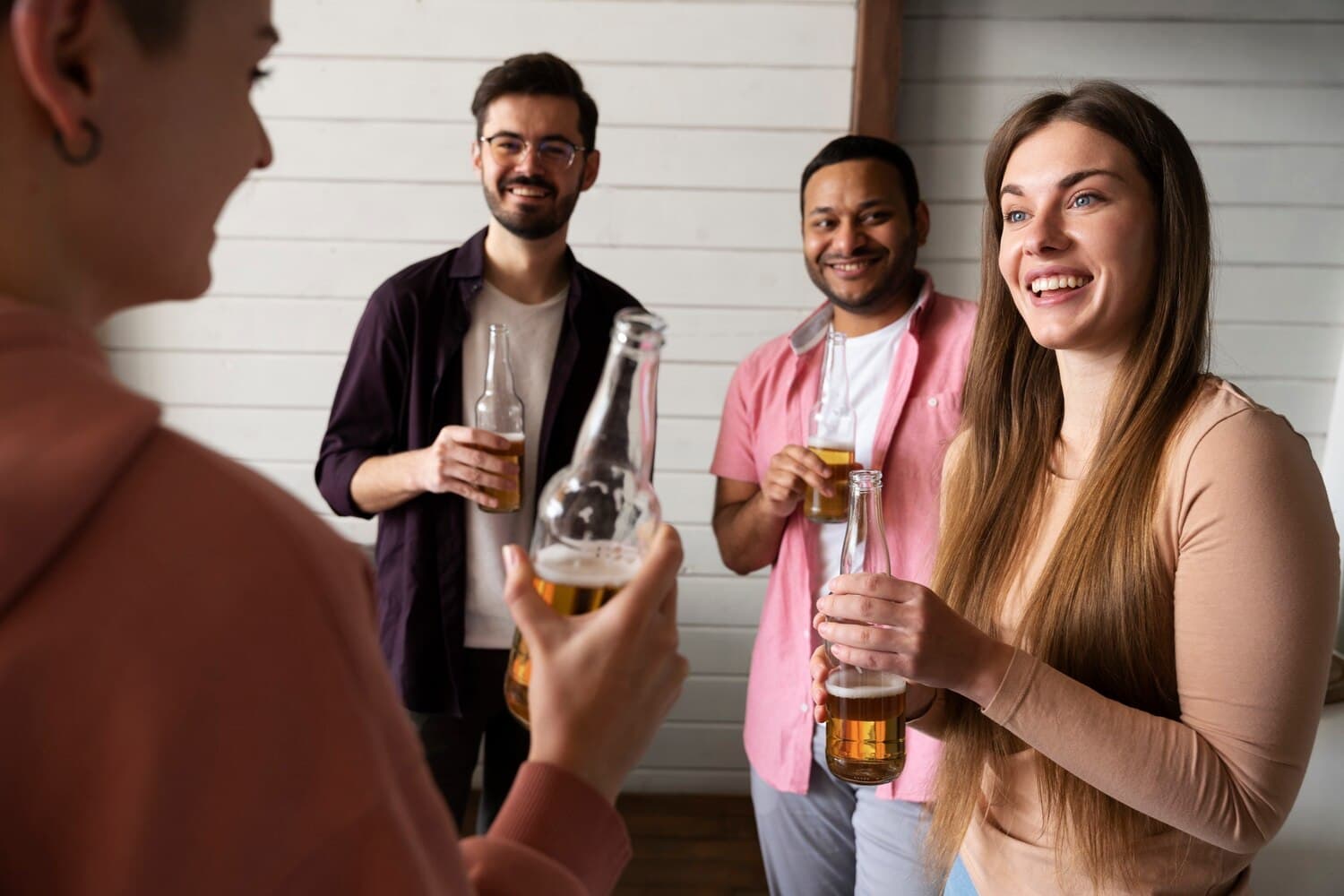
  • Planning for Festivities: Social events are planned around Systembolaget's opening hours. If you're hosting a party, the alcohol run is a key logistical step that happens days in advance, especially for major holidays like Midsummer.
  • The Rise of Non-Alcoholic Options: One of Systembolaget’s biggest successes has been its promotion of high-quality non-alcoholic alternatives. Their selection of alcohol-free wine, beer, and "spirits" is one of the best in the world, reflecting a growing trend of mindful drinking in Sweden. Don't be afraid to explore this section; you'll find some genuinely delicious options.

Your Expat Survival Guide: Tips for Success

  1. Always Plan Ahead: This is the number one rule. Think about your week. Do you have friends coming over on Saturday? Buy what you need on Friday. Spontaneity and alcohol shopping do not mix in Sweden.
  2. Check Local Hours Online: Before you head out, do a quick search for your local store's hours on the Systembolaget website or Google Maps, especially if it’s a smaller store or near a holiday.
  3. Embrace the Alternatives: For a casual weeknight beer, the folköl (people's beer) available in supermarkets is a great option. At 2.8% to 3.5% ABV, it's light, refreshing, and surprisingly good. Many Swedish craft breweries make excellent folköl.
  4. Use the Staff's Expertise: Seriously, they are a fantastic resource. Whether you're trying to pair a wine with köttbullar or find a unique local gin, they know their stuff.
  5. Bring Your Own Bag: Like most Swedish stores, you'll need to bring your own bag or buy one. The sturdy, green multi-bottle carriers are an excellent investment.
  6. Learn the Lingo: A simple "Hej!" (Hello!) and "Tack så mycket!" (Thank you very much!) goes a long way. If you want to ask for a bag, say "En kasse, tack" (A bag, please).

The Final Takeaway

Systembolaget can seem strange and restrictive when you first arrive. But over time, most expats come to understand, and some even appreciate, the system. It forces a more mindful approach to consumption, it provides an unparalleled and unbiased selection of products from around the globe, and its staff are genuinely passionate and knowledgeable.

It's one of those uniquely Swedish experiences, like taking your shoes off when entering a home or stopping for fika. So embrace the planning, explore the shelves, and chat with the staff. Soon, you’ll be grabbing your green bag on a Friday afternoon like a true Swede.

Skål! (Cheers!)

Subscribe to Our Newsletter

Welcome to our newsletter hub, where we bring you the latest happenings, exclusive content, and behind-the-scenes insights.

*Your information will never be shared with third parties, and you can unsubscribe from our updates at any time.