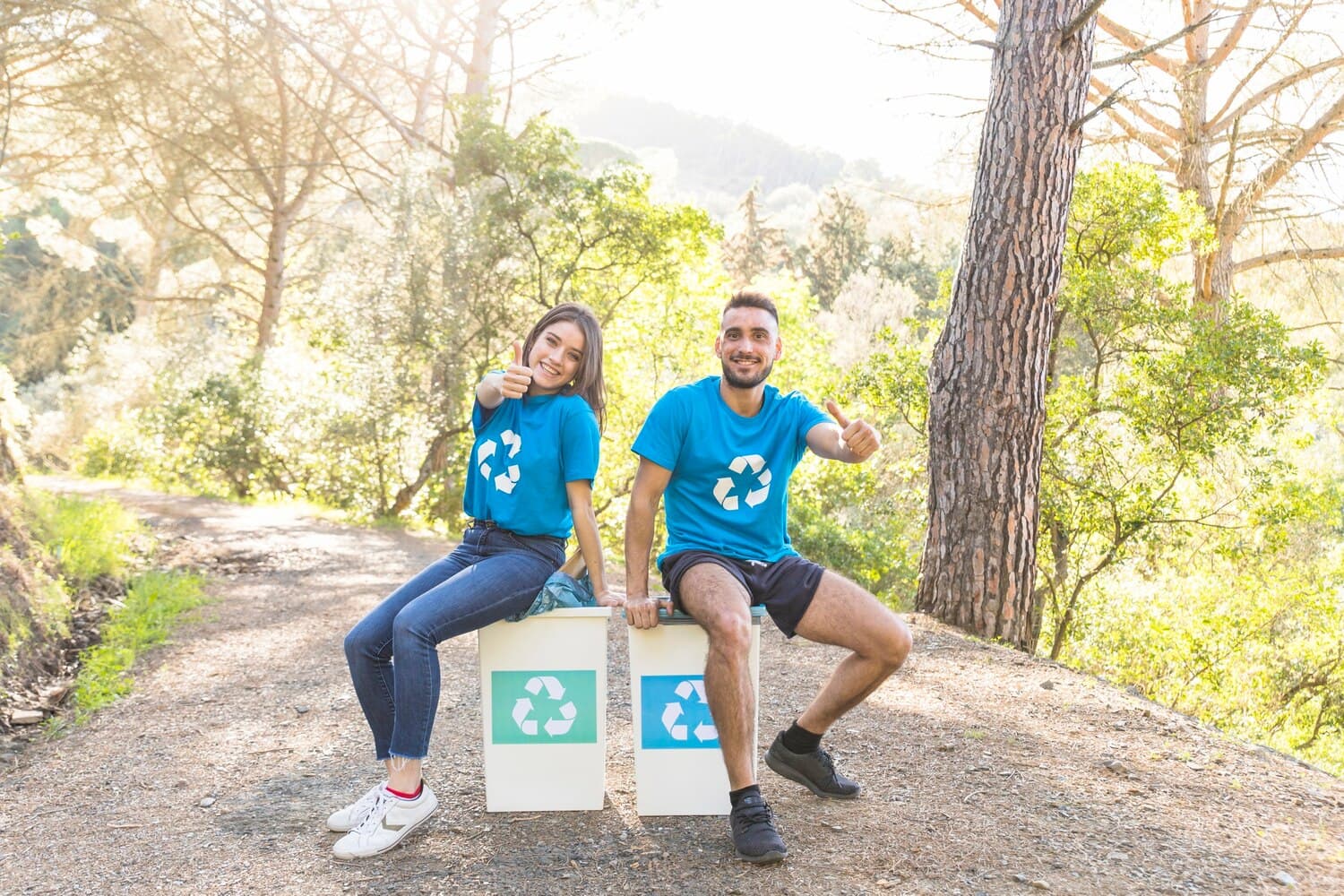
The Swedish 'Pant' System: Recycling for Expats

8 min read
Daily LifeSweden
The Swedish 'Pant' System: Recycling for Expats
Daily Lifeswedenexpatdaily life

You’ve just landed in Sweden, navigated the wonders of the personnummer and deciphered your first IKEA assembly manual. You're starting to feel settled. Then, as you finish your first can of Swedish cider, you notice it: a small, circular logo with the word "PANT" and a value, like "2 kr." You see it again on a plastic water bottle. What is this mysterious code?

Welcome to one of the most ingrained, efficient, and oddly satisfying aspects of daily life in Sweden: the 'Pant' system. As an expat, understanding 'Pant' isn't just about recycling; it's about participating in a shared national ritual that speaks volumes about Swedish culture, sustainability, and the collective good. It might seem like a small thing, but trust me, mastering the art of the 'pant' will make you feel just a little more like a local.

So, let's break down everything you need to know to become a 'Pant' pro.

What Exactly is the 'Pant' System?

At its core, the Swedish 'Pant' system is a deposit-return scheme for most metal cans and plastic bottles. The word 'panta' (pronounced 'pan-tah') means to pawn or redeem. When you buy a beverage in a qualifying container, you pay a small extra deposit (pant). When you return the empty container to a recycling machine, you get that deposit back.

This isn't just a casual recycling program; it's a nationwide juggernaut run by a company called Returpack. Their brand, Pantamera (meaning "Pawn more"), is plastered on the recycling machines in every supermarket. And it works. According to Returpack's 2024 report, Swedes are world champions at this, recycling an astonishing 88% of all cans and PET bottles sold. In 2024 alone, that amounted to over 2.6 billion containers—enough to circle the Earth more than 15 times!

By participating, you're not just getting a few kronor back for your next fika; you're actively contributing to one of the world's most successful circular economies.

A Step-by-Step Guide: How to 'Panta' Like a Pro

The process is simple once you've done it once. Here's your foolproof guide:

Step 1: Spot the Logo and Save Your Empties
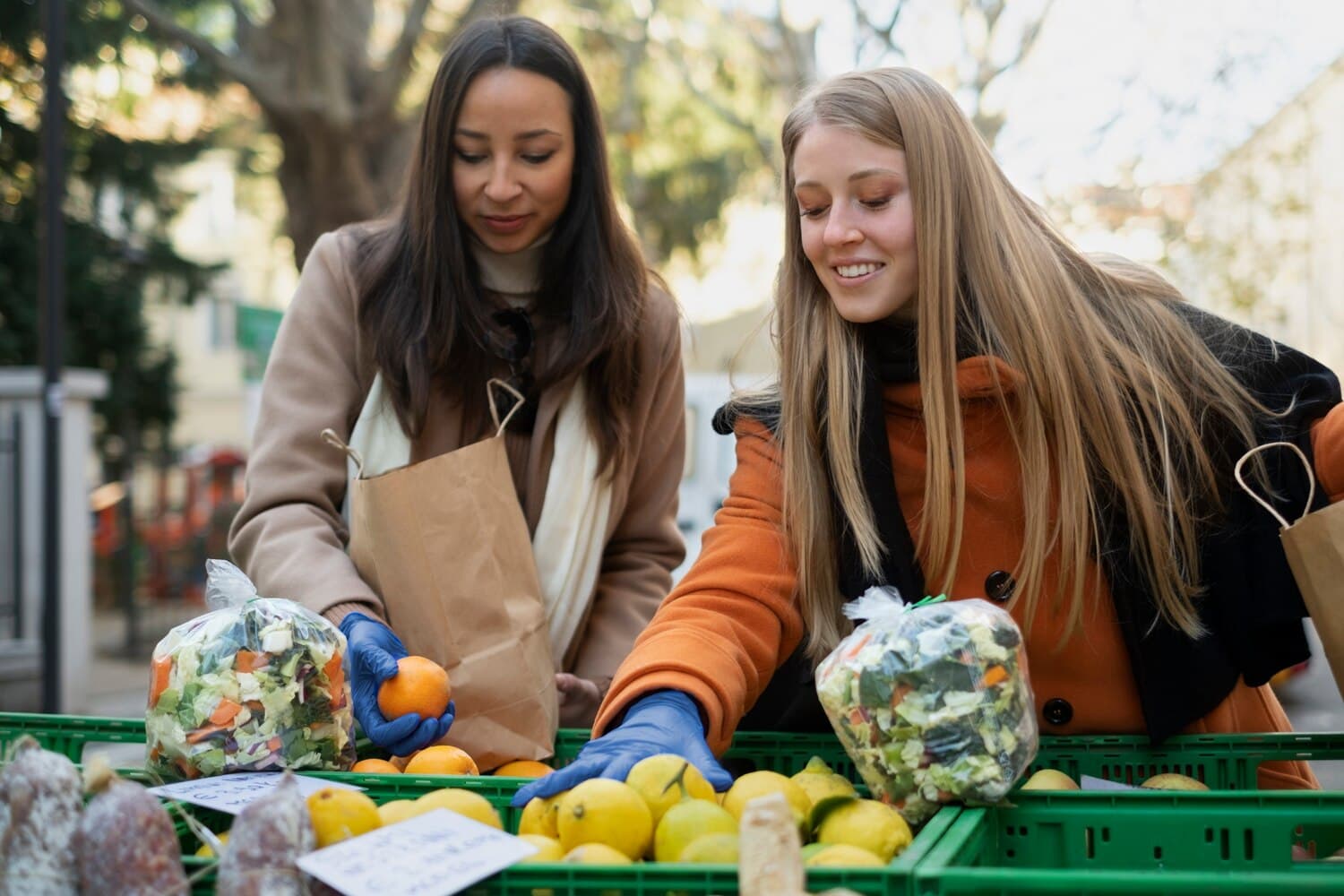
First, identify which containers are part of the system. Look for the 'PANT' recycling symbol. You'll find it on almost all aluminum cans and PET plastic bottles containing ready-to-drink beverages like soda, water, cider, and beer.

Crucial Tip for Newcomers: Do not crush the can or bottle! This is the single biggest mistake new expats make. The recycling machine, or pantautomat, needs to scan the barcode on the label to identify the container and its deposit value. A crushed can or a bottle with a torn label will be rejected. Simply collect them as they are, perhaps in a designated bag under your sink.

Step 2: Find a 'Pantamera' Machine

You'll find these reverse vending machines in virtually every supermarket, from large ICA Maxi and Coop Forum stores to smaller local shops like Hemköp and Lidl. They are usually located near the entrance/exit. You can't miss them—they're often large, noisy, and there might be a small, orderly queue of Swedes with large bags full of empties.

Step 3: Feed the Machine

The machines are straightforward. There are typically two holes: a round one for cans and a slightly larger, shaped one for plastic bottles.

  1. Place the container, barcode facing up, into the correct hole.
  2. Push it in gently. The machine will grab it, spin it to read the barcode, and accept it with a satisfying clunk.
  3. The screen will display a running total of your returned items and the accumulated deposit value.
  4. If the machine rejects an item, it will spit it back out. This usually means the barcode is unreadable, it's not a Swedish 'pant' container, or it's been crushed.

Step 4: Claim Your Reward

Once you've fed all your containers into the machine, press the large green or blue button (often marked "KLAR" or with a receipt symbol). The machine will print a receipt. You now have a few choices:

  • Get Cash Back: Take the receipt to the checkout counter of that same store. The cashier will scan it and give you the amount in cash or deduct it from your grocery bill. Important: The receipt is usually only valid in the store where it was issued and often only for the same day.
  • Donate to Charity: Most machines offer a "donate" button (Skänka). Pressing this instead of the receipt button will donate your deposit to a partner charity, such as the Red Cross (Röda Korset) or the Swedish Childhood Cancer Foundation (Barncancerfonden). It's a simple, common way for people to contribute.

The Nitty-Gritty: What Can and Can't Be 'Panted'

This is where expats can get confused. Not every bottle or carton goes into the 'Pant' machine. Sweden's recycling system is incredibly specific. Here’s a clear breakdown:

Included in 'Pant' System (Yes!) Excluded from 'Pant' System (No!) Where It Goes Instead
PET Plastic Bottles (soda, water, cider) Glass Bottles (wine, beer, spirits) The green glass recycling igloos (glasåtervinning) found on streets. Note: Some larger beer/cider bottles from Systembolaget have their own deposit and are returned there.
Aluminum Cans (beer, soda, energy drinks) Juice/Milk Cartons (Tetra Paks) The paper packaging bin (pappersförpackningar) at your building's recycling station or a public återvinningsstation.
Imported cans/bottles with the Swedish 'Pant' mark Foreign Containers without the mark These go into the plastic or metal recycling bins. You won't get a deposit back.
Most ready-to-drink juice bottles (plastic) Plastic syrup/concentrate bottles (saft) The plastic packaging bin (plastförpackningar). The 'pant' system is for ready-to-drink products.

Deposit Amounts (As of 2025):

  • 2 SEK: For most aluminum cans and plastic bottles smaller than 1 litre.
  • 4 SEK: For plastic bottles 1 litre and larger.

While these amounts might seem small, they add up quickly, especially after a party or a summer picnic!

The Unspoken Rules & Expat Pro-Tips

Here are a few things you won't find in an official manual but will make your 'pant' life much easier:

  • Go at Off-Peak Times: The pantautomat can get very busy on weekend afternoons. The machines can fill up, and you might have to wait. Try going on a weekday morning for a quicker, queue-free experience.
  • The Sticky Situation: It's good practice (and considerate to the machine maintenance staff) to give bottles that contained sugary drinks a quick rinse with water. This prevents sticky messes and foul smells in your 'pant' bag at home.
  • When the Machine is Full: If the machine screen says "FULL" or "UR DRIFT" (Out of Order), your only option is to try again later or find another store. It can be frustrating, but it's a common occurrence.
  • The "Pant-Samlare": You will often see people, sometimes from vulnerable communities, collecting cans and bottles from public bins. This is a recognized way for them to earn money. It is a common and accepted practice to leave your empty 'pant' containers on top of or next to a public bin, making them easy for collectors to find without having to dig through trash. It’s a small gesture of solidarity.
  • Check the Juice: In recent years, the system has expanded to include most plastic juice bottles. If you're unsure, just look for the logo.

Beyond the Kronor: Why 'Pant' Matters

It's easy to see the 'Pant' system as just a way to get a few coins back, but it’s deeply woven into the Swedish mindset of allmännytta (public good) and environmental responsibility. Its success is a source of national pride.

The environmental impact is significant. According to Returpack, recycling one aluminum can saves 95% of the energy required to produce a new one. The climate benefit from recycling all the 'pant' containers in 2024 was equivalent to removing over 80,000 cars from the roads for a year. The system ensures a steady stream of high-quality recycled aluminum and plastic, which is then used to create new cans and bottles, closing the loop in a true circular economy.

For an expat, participating is a tangible way to connect with these core Swedish values. It's a small, shared responsibility that everyone, from a CEO to a student, takes part in. It's a silent, universal agreement to keep the country's beautiful nature clean and to use resources wisely.

Your Takeaway

The Swedish 'Pant' system is more than just a recycling program. It’s a brilliantly simple, highly effective, and culturally significant part of daily life. At first, it might feel like another strange Swedish quirk to learn. But soon, you'll find a surprising sense of satisfaction in hearing the clunk of the machine accepting your bottles, knowing you’re doing your part.

So, start your collection bag. Don't crush those cans. And next time you're at the supermarket, join the queue at the pantautomat with confidence. You're not just recycling; you're participating in a little piece of the Swedish soul.

Welcome to the club, and happy panting!

Subscribe to Our Newsletter

Welcome to our newsletter hub, where we bring you the latest happenings, exclusive content, and behind-the-scenes insights.

*Your information will never be shared with third parties, and you can unsubscribe from our updates at any time.