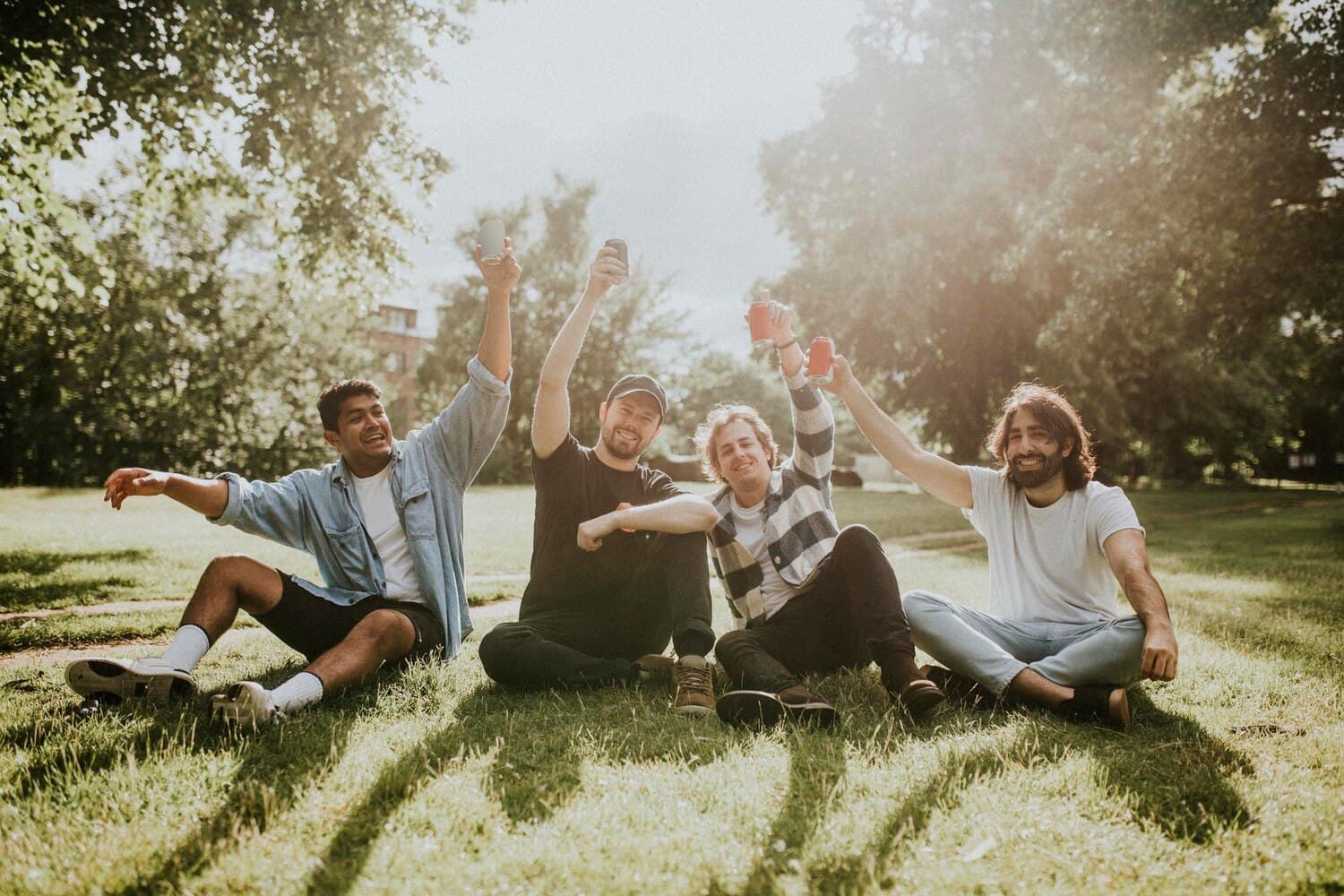
When I first moved to Sweden, I spent a lot of time trying to understand the culture through its language, its food, and its minimalist design. But I kept hitting a quiet, polite wall. It felt like there was a secret code I just couldn't crack. Then, a colleague invited me for a weekend walk in the forest. I expected a brisk hike, but what I experienced was something else entirely: hours of slow ambling, a long stop to just sit on a rock and drink coffee from a thermos, and a shared, comfortable silence while watching the sun filter through the pines. That was my first real introduction to friluftsliv, and it was the day I finally started to understand my new home.
If you're an expat in Sweden, you've likely heard this word tossed around. It’s more than just a hobby or a trend; it's a foundational pillar of the Swedish psyche. Understanding friluftsliv isn't just about learning to enjoy the outdoors—it's about finding a key to unlock a deeper connection with the country and its people. So, let’s peel back the layers of this beautiful concept and find out how you can make it part of your own Swedish story.
What Exactly is Friluftsliv? More Than Just a Walk in the Park
On the surface, the word translates quite literally: fri (free), luft (air), and liv (life). "Free air life." But as with many things in Sweden, the literal translation barely scratches the surface.
Coined by the Norwegian playwright Henrik Ibsen in the 1850s to describe the value of spending time in remote nature for spiritual and physical wellbeing, the concept has been wholeheartedly adopted by Swedes. It’s not about conquering nature, setting a new personal best on a trail run, or having the most expensive high-tech gear. At its core, friluftsliv is a simple, profound, and often slow-paced appreciation for being outside.
It’s the family grilling korv (sausages) over a small fire in a designated forest clearing. It’s the office worker taking a lunchtime walk through a city park, no matter the weather. It’s the act of taking a fika (a coffee and pastry break) not in a cozy café, but on a mossy rock overlooking a lake. It's a philosophy that values a low-impact, sustainable connection to the natural world as essential for a balanced life. This mindset is so ingrained that many Swedish companies offer a wellness grant, friskvårdsbidrag, which employees can use for activities like gym memberships, but also for ski passes or outdoor association fees.
The Golden Ticket: Understanding Allemansrätten
The entire culture of friluftsliv is built upon a unique and powerful legal concept: Allemansrätten, or the Right of Public Access. This ancient custom, now enshrined in the Swedish constitution, grants everyone the freedom to roam the countryside, as long as you adhere to its one simple, overriding principle: inte störa, inte förstöra (don't disturb, don't destroy).
For an expat, this can feel both liberating and a bit daunting. You mean I can just walk onto someone's land? Yes, but with crucial exceptions and responsibilities. Understanding these rules is non-negotiable for anyone wanting to explore the Swedish outdoors respectfully.
Here’s a practical breakdown for you: