Tartu 2026: Post-Capital of Culture Events and Legacy

The streetlights along the Emajõgi River flicker on at 3:45 PM, a reminder that in Estonia’s second-largest city, the transition from autumn to the "grey season" is as much a logistical challenge as it is an aesthetic one. For much of 2024, Tartu was a city under a microscope, illuminated by the high-voltage glare of the European Capital of Culture status. Now, as the calendar turns toward 2026, the confetti has long been cleared from Town Hall Square (Raekoja plats), and the "Arts of Survival" theme that defined the city’s cultural tenure has evolved into a hard-nosed economic reality.
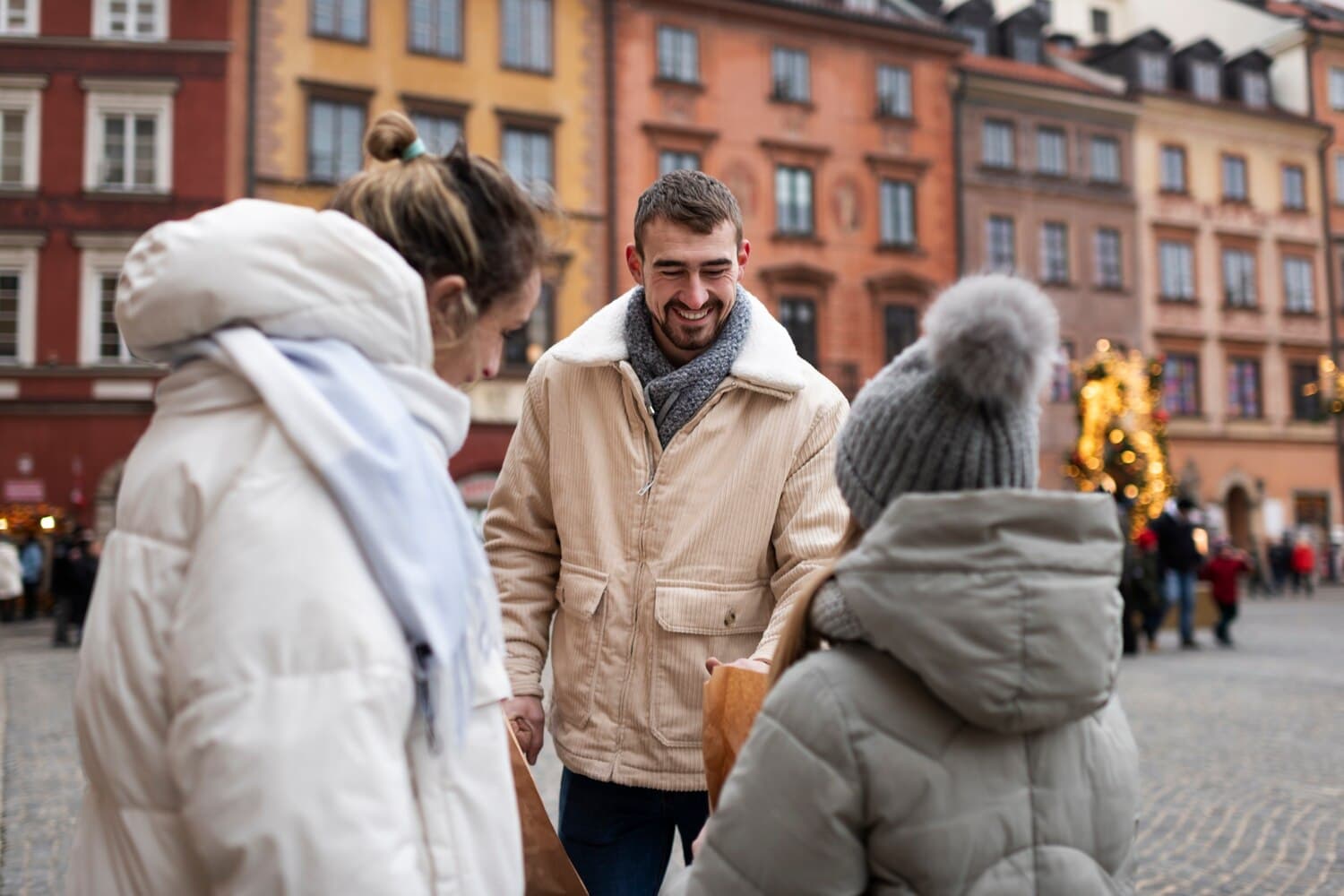
The expatriate community here—once dominated by a rotating door of Erasmus students and academic researchers—has shifted. Walking through the Aparaaditehas (Widget Factory) creative district, the conversations are no longer about grant-funded performance art, but about seed rounds, the 2025 tax reforms, and the long-term viability of the Baltic tech corridor. The "Post-Capital of Culture" era isn't about looking back; it is about whether a city of 97,000 can successfully pivot from a regional academic hub to a permanent, mid-sized European powerhouse.
The Economic Hangover: Beyond the 2024 Stimulus
The 2024 designation brought an estimated €25 million in direct investment and a significant spike in tourism, but the 2025 fiscal year served as a cooling period. According to the Bank of Estonia’s late-2025 economic forecasts, the initial "Capital of Culture" bump has stabilized, leaving behind a more sophisticated infrastructure but also a higher baseline for the cost of living.
For the professional expat, Tartu presents a paradox. It remains significantly more affordable than Stockholm or Helsinki, yet it has shed its reputation as a "low-cost" alternative. The Ministry of Finance’s 2024-2027 fiscal strategy, which includes a series of VAT and income tax adjustments, has begun to bite. The VAT increase to 22% in 2024 was only the beginning; the projected "security tax" slated for 2025 and 2026—aimed at bolstering national defense—is a primary topic of discussion in the city’s burgeoning co-working spaces.
The Hard Numbers: Cost of Living Analysis
Data from the Estonian Statistics Office and private sector real estate indices suggest that while inflation has slowed from the 2022-2023 peaks, the "Tartu 2024" legacy has permanently adjusted the floor for housing and services.
Table 1: Monthly Cost of Living Comparison (Tartu City Center)
| Expense Category | 2024 Average (Actual) | 2026 Projected (Adjusted) | % Change |
|---|---|---|---|
| 1-Bedroom Apartment (City Center) | €650 | €740 | +13.8% |
| Utilities (Heating, Electricity, Water) | €180 | €210 | +16.6% |
| Private Healthcare Premium (Monthly) | €45 | €58 | +28.8% |
| International Schooling (Per Child) | €650 | €720 | +10.7% |
| Monthly Transport Pass | €30 | €35 | +16.6% |
| Mid-Range Dinner for Two | €70 | €85 | +21.4% |
The most significant shift is visible in the rental market. The influx of remote workers and the expansion of the University of Tartu’s international departments have created a squeeze. In districts like Karlova and Supilinn, once known for their bohemian, affordable wooden houses, gentrification has accelerated. Renovated historical properties that commanded €500 in 2022 are now consistently hitting the €800 mark as we enter 2026.
Table 2: Sector-Specific Gross Monthly Salary Benchmarks (Tartu)
| Professional Sector | 2024 Average | 2026 Projected | Growth Driver |
|---|---|---|---|
| Software Engineering (Senior) | €5,200 | €5,850 | High-Tech Export Demand |
| Academic Researcher (PhD Level) | €2,100 | €2,400 | EU Research Grants |
| Biotech/Life Sciences | €3,400 | €3,950 | Tartu Science Park Expansion |
| Marketing/Digital Media | €2,200 | €2,500 | Regional Market Integration |
The Regulatory Landscape: Navigating the New Estonia
Estonia’s reputation as a "digital republic" remains its strongest draw, but the administrative burden for expats is shifting. The government’s 2025-2026 roadmap emphasizes "selective migration," focusing on high-value talent in deep tech and green energy.
Visa and Residency Shifts
The Digital Nomad Visa (DNV), which saw a surge in 2024, has undergone a refinement process. By 2026, the Estonian Police and Border Guard Board (PPA) is expected to implement stricter income threshold requirements, indexed to the national average salary growth. For professionals looking to relocate, the bar is higher. The emphasis is now on the "EU Blue Card" for those with long-term ambitions, as the 2025 amendments to the Aliens Act have streamlined the path to permanent residency for high-earning specialists.
The Tax Evolution
Investors and high-earning expats must account for the 2025 tax package. The elimination of the "tax hump" (the regressive basic exemption system) is scheduled to simplify the personal income tax landscape, moving toward a uniform 22% rate. However, this is offset by the projected 2% security tax on both individual income and corporate profits, a measure the Ministry of Finance justifies as necessary for regional stability. For those operating via e-Residency or local entities, the 2026 corporate tax environment will require more rigorous accounting than in the "hands-off" years of the early 2020s.
Housing and the "City of Good Thoughts"
Tartu is often called the "City of Good Thoughts" (Heade mõtete linn), but in 2026, it is also a city of smart development. The legacy of the 2024 cultural year is most visible in the urban planning. The "Car-Free Avenue" (Vabaduse puiestee) project, which began as a summer experiment, has led to a permanent reimagining of the city core.
Neighborhood Profiles for the Sophisticated Expat
- The Old Town & City Center: This remains the prestige choice. However, the 2024-2025 hospitality boom saw many long-term rentals converted to short-stay apartments. Finding a permanent residence here in 2026 requires working through specialized relocation agents rather than public listing sites.
- Ülejõe: The "modern" alternative. Located just across the Arch Bridge (Kaarsild), this area has seen the most significant growth in A-class office space and luxury apartments. It is the preferred hub for the Delta Centre’s tech and math crowd.
- Karlova: The cultural heart. For expats who value the "Tartu Spirit," Karlova offers the best lifestyle balance. The challenge in 2026 is energy efficiency; many of the historic wooden houses struggle to meet the increasingly stringent EU building standards, leading to high utility costs in the winter months.
Healthcare: The Two-Tier Reality
Estonia’s public healthcare system (Tervisekassa) is robust but strained. For the 2026 expat, reliance on the public system alone is increasingly rare. Wait times for specialists in Tartu, despite the presence of the world-class Tartu University Hospital, have lengthened as the population of the surrounding Tartu County grows.
Private providers like Qvalitas and Confido have expanded their Tartu footprints. Most competitive employment contracts for internationals now include private health insurance as a non-negotiable "top-up." As of early 2026, a comprehensive private health plan that bypasses the public waitlists is considered a standard part of a professional compensation package.
Cultural Nuance: The Post-2024 Social Fabric
A common mistake for newcomers is treating Tartu as a smaller version of Tallinn. It is not. The social hierarchy in Tartu is built on academic lineage and long-term contribution. The 2024 events did much to open the city to the world, but the local "On the Ground" reality remains one of "quiet excellence."
The "Tartu Spirit" is a real, albeit intangible, social contract. It values intellectual rigor and a slower pace of life. In 2026, the city has retained its "15-minute city" status—you can cross the entire center on a Smart Bike in ten minutes—but the international community has become more insular. The challenge for the 2026 expat is breaking out of the "expat bubble" of the University and the Startup Hub to engage with the local population, who, while fluent in English, appreciate those who navigate the complexities of the Estonian language.
One specific cultural legacy of the 2024 program is the "Community Gardens" movement. Throughout the city, from Annelinn to Tähtvere, these gardens have become the primary sites for cross-cultural integration. If you want to understand the local political climate or the nuances of the 2026 municipal budget, you don't go to a bar; you go to a neighborhood garden committee meeting.
Actionable Outlook: 2026 and Beyond
As Tartu transitions from a cultural spotlight to a permanent fixture in the European mid-market tier, the window for "easy" entry is closing. Strategic moves for the next 18 months should focus on long-term stability rather than short-term gains.
1. Real Estate Strategy: If you are planning a stay of three years or more, the 2026 market favors buyers over renters. While interest rates have stabilized compared to the 2023 volatility, the supply of high-quality, energy-efficient (Class A or B) housing remains low. Investing in the Ülejõe or Raadi districts—areas currently seeing infrastructure expansion—offers the best projected appreciation.
2. Fiscal Residency: With the 2025/2026 tax changes, expats must conduct a "tax health check." The shift to a flat 22% rate plus the security surcharge means that those on the edge of the previous "tax hump" might see a slight increase in net income, while high earners will see a contraction. Consulting with a Baltic-specific tax advisor by Q3 2025 is essential to optimize self-employment or remote work structures.
3. Career Positioning: The "Post-Capital of Culture" economy is pivoting toward Deep Tech and HealthTech. The University of Tartu’s partnerships with private industry are at an all-time high in 2026. Professionals with a background in "transfer of technology" or bridging the gap between academia and commercialization will find themselves in the highest demand.
4. The Educational Factor: For those with families, the International School of Tartu (IST) has reached near-capacity in late 2025. Securing a spot for the 2026-2027 academic year requires an application lead time of at least nine months.
The 2024 European Capital of Culture was a transformative event, but its true legacy is the professionalization of Tartu. The city has grown up. It is no longer the "best-kept secret" of the Baltics; it is a calculated, efficient, and increasingly expensive node in the global talent network. For the sophisticated expat, Tartu in 2026 offers a rare commodity: the vibrancy of a capital city with the intimacy of a village, provided you can afford the price of admission.
Subscribe to Our Newsletter
Welcome to our newsletter hub, where we bring you the latest happenings, exclusive content, and behind-the-scenes insights.
*Your information will never be shared with third parties, and you can unsubscribe from our updates at any time.