AD
VocabAI The only app an expat needs • Learn easy
INSTALL

The 2026 e-Resident Security Update: Mandatory Biometric Checkpoints for Digital Nomads

7 min read
0Citizenship NaturalizationEstonia
The 2026 e-Resident Security Update: Mandatory Biometric Checkpoints for Digital Nomads
Citizenship Naturalization

The era of the "ghost director"—the digital nomad who manages an Estonian private limited company (OÜ) from a beach in Bali without ever crossing a Schengen border—is facing its most significant structural challenge since the e-Residency program’s inception in 2014. For over a decade, Estonia’s digital gateway was marketed as a frictionless portal to the European Union’s single market, requiring a single physical visit to an embassy for a smart card pickup. However, as the 2026 e-Resident Security Update approaches its scheduled implementation, the definition of "frictionless" is being recalibrated. The Estonian Ministry of the Interior and the Police and Border Guard Board (PPA) are moving toward a high-frequency biometric verification model that prioritizes national security and Anti-Money Laundering (AML) compliance over administrative convenience.

Estonian digital identity card

This shift is not merely a technical upgrade; it is a response to a shifting geopolitical landscape and the increasing pressure from EU-level regulators to harmonize digital identity standards. By the first quarter of 2026, the PPA is expected to mandate that all active e-residents undergo periodic biometric checkpoints. Unlike the previous five-year renewal cycle, the new framework suggests a risk-based re-verification schedule that could require physical presence at a designated Estonian "trust point" or embassy more frequently than many location-independent professionals had budgeted for. For the informed expat, this represents a transition from a "set and forget" corporate structure to an active, audited relationship with the Estonian state.

The primary driver for the 2026 update is the tightening of the "e-identity chain of trust." Under the projected regulations, the reliance on the physical smart card as the sole proof of identity is being phased out in favor of a hybrid system that links digital signatures to live biometric data. Security analysts in Tallinn point to the rising threat of "identity hijacking" and the use of shell companies by actors looking to bypass sanctions as the catalyst for these measures. For the legitimate business owner, this means that by 2026, the process of signing annual reports or authorizing high-value bank transfers may be gated behind a "Live Biometric Event." This would likely involve a smartphone-based facial scan that is cross-referenced in real-time with the biometric data stored in the PPA’s centralized database.

The Physicality of a Digital Status

The most controversial element of the 2026 mandate is the introduction of mandatory physical checkpoints for high-activity users. While the program was built on the premise of never needing to visit Estonia, the Ministry of the Interior has indicated that e-residents whose companies exceed certain turnover thresholds or operate in "high-risk" sectors—such as fintech, crypto-assets, or international logistics—may be scheduled for mandatory in-person biometric refreshes every 24 to 36 months. This is a radical departure from the current five-year lifespan of the e-Residency card.
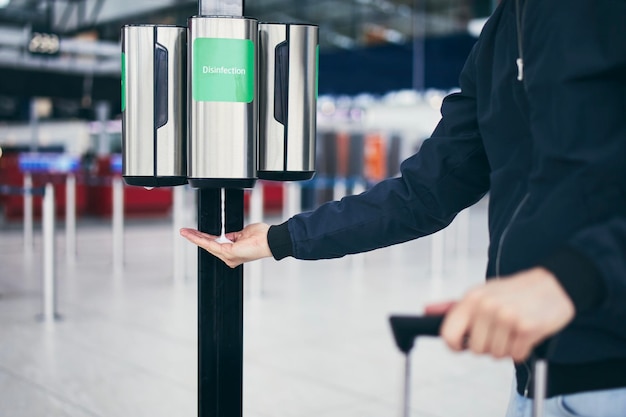

Tallinn airport biometric gate

These checkpoints are expected to be integrated into the existing ETIAS (European Travel Information and Authorisation System) framework and the Entry/Exit System (EES) being rolled out across the Schengen Area. For a digital nomad, this means that their e-Residency status will be explicitly linked to their physical movements across borders. If an e-resident enters the Schengen Area for a holiday, the 2026 system is designed to trigger a notification at the border control kiosk, allowing the individual to "refresh" their biometric profile on the spot. Failure to do so within a prescribed window could lead to the temporary suspension of digital signature rights, effectively freezing the individual's ability to manage their Estonian entity.

Banking and the Death of "Light" KYC

For the professional expat, the most immediate risk of the 2026 update is its impact on banking and financial services. Estonian banks and international Neobanks (such as Wise or Revolut) have historically been cautious with e-residents due to the lack of physical "substance" in the country. The 2026 biometric mandate is, in part, an olive branch to the financial sector. By enforcing stricter, more frequent identity verification, the Estonian state aims to lower the risk profile of e-residents collectively.

However, this comes with a "compliance tax." Professionals should expect that by mid-2026, banks will require proof of a successful "Biometric Checkpoint" completion before renewing corporate accounts or processing international wires. This creates a new layer of operational risk: if you are a resident in a country without an Estonian embassy (such as many parts of Southeast Asia or South America), the "mandatory" checkpoint could necessitate an expensive and time-consuming international flight. The PPA has discussed expanding the use of "authorized service providers" to collect biometrics, but these are expected to be limited to major global hubs, leaving those in more remote locations in a precarious position.

Navigating the "Sanctions Era" Requirements

The geopolitical reality of Estonia’s position on the EU’s eastern flank cannot be overstated. Since 2022, the e-Residency program has been under intense scrutiny to ensure it is not used as a backdoor for sanctioned individuals or entities. The 2026 update codifies this scrutiny into the software itself. The upcoming system is projected to include automated screening against global PEP (Politically Exposed Persons) and sanctions lists that triggers a "Biometric Call-In" if a match is flagged.

cybersecurity digital encryption

For the innocent professional, the risk is a "false positive" that requires a physical appearance to resolve. The legal reality is that e-Residency is a privilege, not a right. The Estonian state retains the unilateral power to revoke status for "security reasons" without the extensive due process afforded to physical residents or citizens. In the 2026 landscape, the burden of proof for identity and intent is shifting more heavily onto the e-resident.

Institutional Signals and Structural Changes

Recent directives from the Estonian Ministry of Justice suggest that the 2026 update will also coincide with new "substance" requirements for companies. While the e-Residency program has avoided forcing companies to have physical offices in Tallinn, there is a growing movement toward requiring a "qualified contact person" who has greater liability. When paired with the 2026 biometric update, the goal is clear: to ensure that every Estonian company has a traceable, verifiable human being behind it who can be held accountable under EU law.

The PPA has already begun upgrading its backend servers to handle the increased data load of frequent biometric polling. For those planning to renew their e-Residency in late 2025 or 2026, the application fee is scheduled to undergo a review, with a likely increase to cover the costs of this expanded security infrastructure. Furthermore, the "kit" sent to e-residents is expected to change; the current card reader may be supplemented or replaced by an NFC-based mobile authentication system that requires a biometric "liveness check" for every high-level administrative action.

Strategic Recalibration for the Expat Professional

The 2026 e-Resident Security Update signals the end of the "wild west" of digital residency. The program is maturing into a sophisticated, highly regulated tool for serious international business, but it is shedding the "lifestyle" ease that once defined it.

To avoid operational paralysis, the informed professional must recalibrate their expectations of the program:

  • Audit Your Location: If you are based in a region with poor access to Estonian diplomatic missions or "trust points," your business continuity is at higher risk. Map out your 2026 travel to include a stop in a hub where biometric re-verification is possible.
  • Decouple Personal and Corporate Identity: Ensure that your company has secondary signatories or a qualified contact person in Estonia who can maintain basic operations if your digital ID is temporarily suspended during a verification window.
  • Budget for Compliance: Factor in the increased costs of potential travel and higher administrative fees into your 2026 business plan. The "low-cost" advantage of Estonia is being replaced by a "high-trust" premium.

The 2026 mandate is a warning that the digital world is becoming more, not less, tethered to physical reality. Estonia remains the gold standard for digital governance, but the price of that gold is now a recurring, biometric commitment to the state's security standards. Ignoring these scheduled changes will not just be an administrative headache; it will be a threat to the legal existence of your European business.

Subscribe to Our Newsletter

Welcome to our newsletter hub, where we bring you the latest happenings, exclusive content, and behind-the-scenes insights.

*Your information will never be shared with third parties, and you can unsubscribe from our updates at any time.

Comments

0/2000