
The Northward Shift: Assessing Germany’s Expanding TBE Risk Mapping

For the professional relocating to Germany, the country’s vast greenery—from the Black Forest in the south to the urban forests of Berlin—is often a primary draw. However, the biological reality of these landscapes is shifting. The Robert Koch Institute (RKI) has officially updated its classification of tick-borne encephalitis (TBE) risk zones, adding two new districts to bring the national total to 185. This expansion marks a definitive trend: the virus, once confined largely to the alpine and sub-alpine south, is establishing a permanent foothold in the central and northern latitudes.
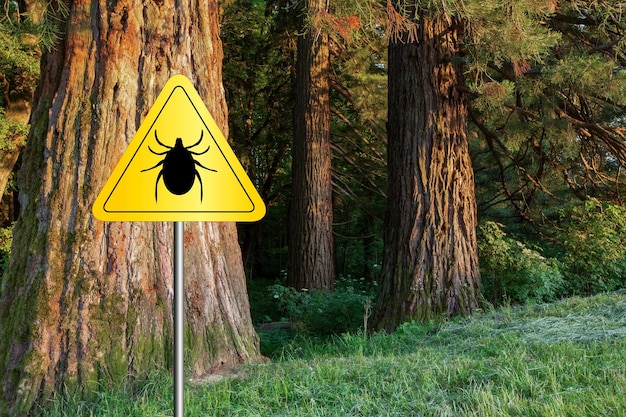
To navigate this correctly, an expat must distinguish between the common nuisance of Lyme disease (borreliosis) and the specific institutional classification of TBE, known locally as Frühsommer-Meningoenzephalitis (FSME). While Lyme is prevalent nationwide and can be treated with antibiotics, TBE is viral. There is no post-infection cure; management is strictly palliative. The RKI’s designation of a "risk zone" is not a casual warning but a statistical trigger, applied when the number of recorded infections within a five-year period exceeds the mathematical threshold of one case per 100,000 residents. The addition of districts like Dessau-Roßlau and Altenburger Land underscores that the geography of risk is no longer a southern phenomenon.
For the professional living in or traveling to these 185 districts, the healthcare implications are immediate and structural. Under the current German Standing Committee on Vaccination (STIKO) guidelines, which are expected to remain the gold standard through 2026, vaccination is the primary recommended defense for anyone with regular outdoor exposure. For residents in designated risk zones, the cost of the three-dose FSME vaccine series is typically covered by statutory health insurance (Gesetzliche Krankenversicherung). For those living outside these zones but planning travel to them—even for short-term recreation—coverage is often still provided as a "travel vaccination," though this varies by provider and requires verification before the first appointment.
Industrial and occupational safety regulations also hinge on this mapping. In sectors such as forestry, agriculture, and outdoor construction, employers in the 185 risk zones are legally obligated to offer and fund TBE vaccinations as part of mandatory occupational healthcare. Professionals in these fields should note that by 2026, as climate patterns continue to favor the survival of the Ixodes ricinus tick in previously colder regions, more urbanized districts in Lower Saxony and North Rhine-Westphalia are projected to come under review for risk zone status. This is not merely a matter of health, but a shifting compliance requirement for HR departments and insurance underwriters.

Naïveté regarding the transmission window is a common pitfall for outsiders. Unlike Lyme disease, where the bacteria typically reside in the tick’s midgut and require hours of attachment to infect the host, the TBE virus is stored in the tick’s salivary glands. Infection can occur almost immediately upon the bite. This renders the common advice of "checking for ticks at the end of the day" insufficient as a primary prevention strategy against FSME. The RKI’s data indicates that peak infection periods are no longer strictly limited to "early summer," as the name suggests; active periods now regularly extend from February through November, a window expected to widen as winters in the Rhine and Elbe valleys become increasingly mild.
A clear-eyed assessment of Germany’s nature-centric culture requires moving beyond the myth that risk is confined to the deep woods. TBE-carrying ticks are frequently found in manicured city parks, private gardens, and even cemetery grounds in high-incidence states like Baden-Württemberg and Bavaria. The mental model for the expat should shift from viewing TBE as a rare rural hazard to recognizing it as a manageable, localized environmental risk that requires a one-time medical intervention. If your district or your frequent weekend destination is among the 185 listed, the vaccination series is not an optional precaution but a prerequisite for frictionless integration into German outdoor life.
Related Stories

Finding English-Speaking Therapy: The 'Kassensitz' Problem Explained

Finding a Dentist: The 2026 NHS Dental Recovery Plan Status

E-Prescriptions (E-Rezept): The Mandatory App Every Patient Needs


Comments