
Sustainable Expat Life: 'Precycling' and Reducing Your Carbon Footprint
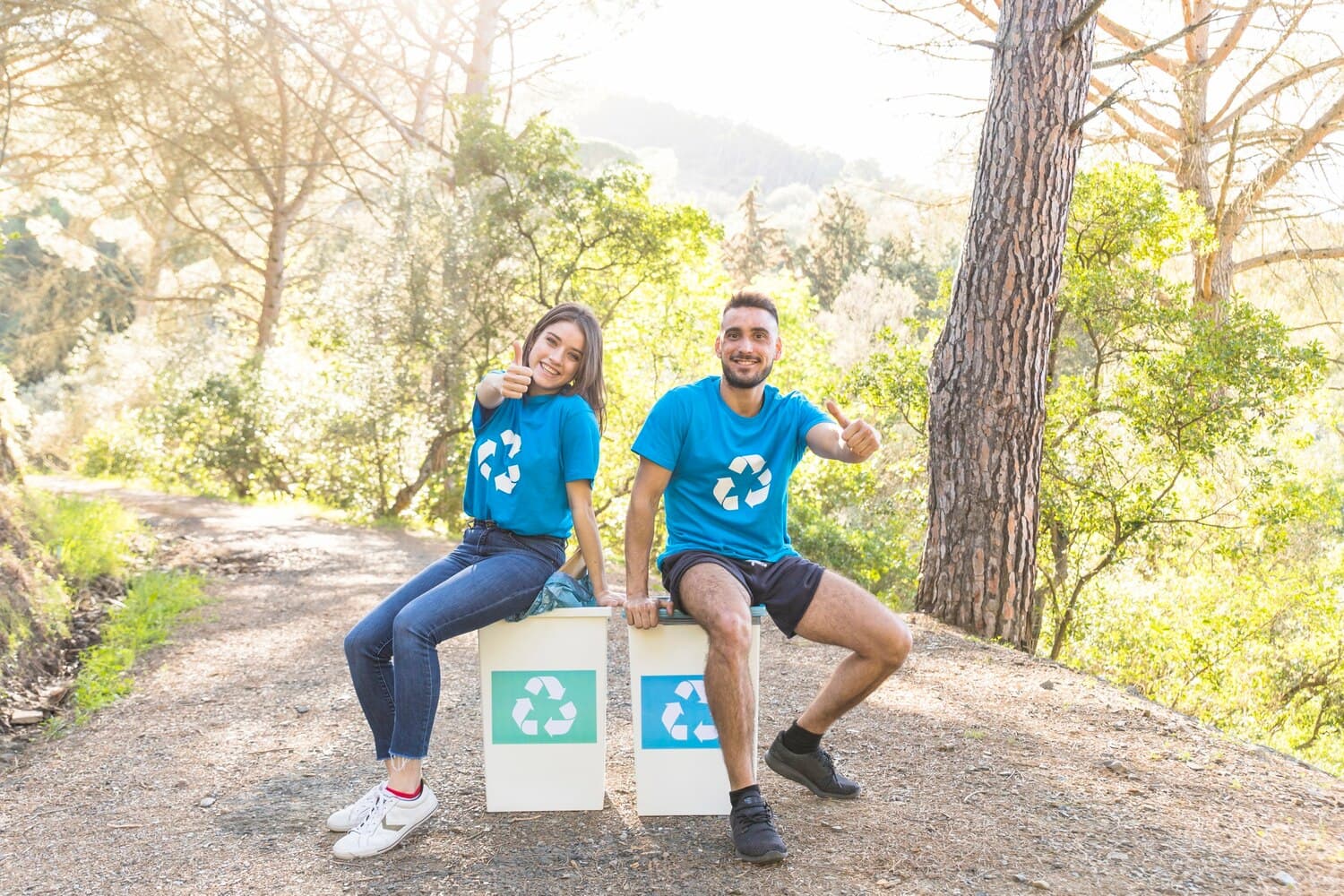
Sustainable Expat Life: 'Precycling' and Reducing Your Carbon Footprint
Living as an expatriate offers unparalleled opportunities for cultural immersion, professional growth, and global networking. However, the lifestyle of a "global citizen" often carries a significant environmental price tag. From frequent long-haul flights and the logistics of international relocation to the consumption patterns inherent in "starting over" in a new country, the carbon footprint of an expat can be several times higher than that of a settled local resident.
As we move through 2025, the global focus on climate change has shifted from general awareness to urgent individual and systemic action. For the estimated 280 million international migrants worldwide, sustainability is no longer an optional "extra" but a core component of responsible global living.
This article provides a comprehensive, research-based framework for achieving a sustainable expat life. We will explore the concept of precycling—the practice of reducing waste before it even enters your home—and provide actionable strategies to mitigate the unique environmental challenges faced by those living abroad.
1. Understanding the Environmental Impact of Global Mobility
To effectively reduce a carbon footprint, one must first understand its composition. For an expat, the footprint is typically divided into four primary domains:
- Aviation and Transport: Often the largest contributor due to "home leave" flights and regional exploration.
- Housing and Energy: The efficiency of temporary or rented accommodations.
- Consumption and Waste: The "acquisition phase" of moving (buying new furniture, appliances, and household goods).
- Food and Diet: The impact of imported "comfort foods" versus local seasonal produce.
The "Expat Footprint" Data (2025 Context)
According to recent data from the Global Carbon Project (2024) and the International Energy Agency (IEA), aviation accounts for approximately 2.5% of global CO2 emissions. However, for a high-frequency flyer (a category many expats fall into), a single round-trip flight from London to New York (approx. 1.7 tonnes of CO2) can represent more than the total annual carbon budget required to meet Paris Agreement goals (targeted at 2.3 tonnes per person by 2030).
| Activity | Estimated Carbon Impact (kg CO2e) |
|---|---|
| Long-haul Flight (Return, Economy) | 1,500 - 2,500 |
| Shipping a 20ft Container (Intl.) | 1,000 - 3,000 |
| Annual Household Waste (Avg. Expat) | 500 - 800 |
| Diet (High Meat/Imported) | 2,000+ per year |
2. The Science of Precycling: Moving Beyond Recycling
While "recycling" has been the mantra of the late 20th century, it is increasingly viewed as a "last resort" in the waste hierarchy. Precycling is a proactive approach that focuses on the "Refuse" and "Reduce" stages of the circular economy.
Defining Precycling
Precycling is the practice of making purchasing decisions based on the potential waste a product will generate. It involves avoiding the acquisition of items that will eventually need to be recycled or landfilled. For an expat, this means auditing every purchase through the lens of longevity, necessity, and end-of-life disposal.
The Psychology of the "Fresh Start"
Expats often fall into the "Fresh Start Trap." Moving to a new country provides a psychological "clean slate," which often leads to "discretionary consumption"—buying new sets of kitchenware, linens, and electronics because the old ones were sold or left behind. Research in Environmental Psychology suggests that these transition periods are high-risk moments for unsustainable behavior because established habits are broken. Precycling intervenes at this critical juncture.
3. Precycling Strategies for the Relocation Phase
The most significant waste generation occurs during the "Move-In" and "Move-Out" phases. Implementing precycling here provides the highest ROI for your carbon footprint.
A. Ethical Downsizing (The Pre-Move Phase)
Before leaving your current location, apply the Circular Redistribution Model:
- Inventory Audit: Categorize possessions into Essential, Redundant, and Replaceable Abroad.
- The 12-Month Rule: If you haven't used an item in 12 months, it should not be shipped. Shipping weight directly correlates to the fuel consumption of cargo ships and planes.
- Digitalization: Transition all physical media (books, documents, DVDs) to digital formats to reduce physical mass.
B. Furnishing Without the Footprint
The "fast furniture" industry is a major contributor to deforestation and landfill waste. Expats, often on 2-3 year contracts, are primary consumers of low-cost, short-life furniture.
- The "Secondary Market First" Rule: Utilize platforms like Facebook Marketplace, Olio, or local expat "Buy/Sell" groups. Buying used furniture prevents the carbon expenditure of manufacturing and shipping new items.
- Furniture Rental: In many global hubs (London, Berlin, Dubai, Singapore), furniture subscription services allow expats to lease high-quality items, which are then refurbished and re-leased to the next tenant, ensuring a circular lifecycle.
- Flat-Pack Avoidance: Cheap particle-board furniture rarely survives a second move. Invest in solid wood or metal items that hold their value and can be resold.
4. Daily Precycling: Navigating New Consumer Environments
Once settled, the challenge shifts to daily consumption. Different countries have varying levels of plastic dependency.
The Precycling Grocery Audit
In many developing nations or "expat bubbles," imported goods are heavily packaged in non-recyclable plastics.
- Source Local Markets: Traditional wet markets or farmers' markets often use significantly less packaging than high-end expat supermarkets.
- Bulk Buying 2.0: Locate "zero-waste" stores. Many cities now offer refill stations for detergents, grains, and oils.
- The Packaging Refusal: Carry reusable produce bags. In regions where plastic bags are the default, the act of "refusing" is the core of precycling.
Water Filtration vs. Bottled Water
In regions where tap water is non-potable, expats often default to 5-liter plastic bottles.
- Solution: Invest in high-grade UV or Reverse Osmosis (RO) countertop filters. If the infrastructure allows, choose 20-liter "carboys" which are cleaned and reused by the supplier, rather than single-use bottles.
5. Decarbonizing Your Expat Travel
For most expats, flights represent 60-80% of their annual carbon footprint. While "zero-carbon" flight is not yet commercially viable in 2025, several strategies can drastically reduce impact.
The "Slow Travel" Philosophy
Instead of flying for every long weekend or regional holiday, adopt slow travel.
- Train over Plane: In Europe, China, and parts of Southeast Asia, high-speed rail is a viable, low-carbon alternative to short-haul flights. A train journey typically emits 80-90% less CO2 per passenger than an equivalent flight.
- Quality over Quantity: Instead of four short trips per year, take one longer trip. This reduces the high-emissions takeoff and landing cycles associated with multiple flights.
Strategic Home Leave
Negotiate "Remote Work Blocks" with your employer. Instead of flying home for 10 days twice a year, stay for 4 weeks once a year and work remotely for part of that time. This cuts your aviation footprint by 50%.
Carbon Offsetting: 2025 Standards
The "Gold Standard" for carbon offsets has evolved. Avoid cheap, unverified tree-planting schemes. Look for Carbon Removal projects (like Direct Air Capture or Biochar) rather than just Carbon Avoidance (like preventing a forest from being cut down, which is harder to verify).
- Recommended Providers: Climeworks, Gold Standard, or Pachama.
6. Sustainable Housing and Energy Management
Expats often live in rented apartments where they have little control over structural energy efficiency (insulation, HVAC systems). However, operational control is still possible.
Energy Efficiency in Rented Spaces
- The "Vampire Load" Audit: Use smart power strips to cut power to electronics when not in use.
- Smart Climate Control: If your rental doesn't have a smart thermostat, use plug-in smart AC controllers (like Sensibo or Tado). In tropical climates, AC accounts for up to 70% of an expat’s electricity bill. Increasing the temperature by just 1-2°C can reduce energy consumption by 10%.
- Green Tariffs: In liberalized energy markets (EU, UK, parts of the US), switch your rental's energy provider to a 100% renewable tariff. It usually takes 10 minutes online and requires no hardware changes.
7. Regional Case Studies: Adapting to Local Contexts
Sustainability looks different depending on where you are posted.
Case Study A: The Expat in Western Europe (e.g., Germany, Netherlands)
- Focus: Infrastructure utilization.
- Strategy: Give up the car. These regions have world-class cycling and transit infrastructure. Precycling here involves using "Pfand" (deposit) systems for glass bottles and utilizing the highly regulated "Yellow Sack" (Gelber Sack) recycling programs.
Case Study B: The Expat in Southeast Asia (e.g., Thailand, Vietnam)
- Focus: Plastic reduction and diet.
- Strategy: Street food is a staple but is often served in single-use plastic. Bring your own "Tiffin" carriers or silicone containers. Focus on a "Plant-Forward" diet, utilizing the abundance of local tropical fruits and legumes rather than expensive imported meats and cheeses.
Case Study C: The Expat in the Middle East (e.g., UAE, Qatar)
- Focus: Cooling and water.
- Strategy: Focus on "Passive Cooling" (heavy curtains during the day). In a region where water is desalinated (an energy-intensive process), water conservation is a direct carbon-reduction strategy.
8. Common Misconceptions and Critical Perspectives
Misconception 1: "Recycling is enough."
Reality: According to the OECD, only about 9% of plastic waste is successfully recycled globally. The rest is incinerated, landfilled, or leaks into the environment. Precycling is the only way to ensure 100% waste mitigation.
Misconception 2: "Carbon offsets make my flying 'guilt-free'."
Reality: Offsets are a tool for residual emissions, not a license to pollute. Many 2024 studies have shown that traditional forest-based offsets are often over-credited. Reduction must always come before offsetting.
Misconception 3: "Living sustainably as an expat is too expensive."
Reality: While organic specialty shops can be pricey, the core of sustainability—buying less, choosing second-hand, and using public transit—is significantly cheaper than the high-consumption expat norm.
9. Advanced Topic: The Digital Nomad Carbon Footprint
The rise of the "Digital Nomad" has introduced a new variable. Frequent country-hopping (every 1-3 months) creates a massive transportation footprint.
The "Basecamp" Model
Instead of constant movement, many sustainable nomads are adopting the "Basecamp" model: staying in a hub for 6 months, integrating into the local economy, and using that hub for overland exploration. This reduces "travel friction" and the carbon costs of constant logistics.
10. Practical Summary: Your Precycling Checklist
To transition to a sustainable expat life, follow this hierarchical checklist:
- Before Buying: Ask, "Is there a packaging-free version?" and "Will I be able to sell/gift this easily when I leave?"
- Before Moving: Apply the 12-month rule. Ship only what is essential; weight is carbon.
- Before Traveling: Check the "Rail-to-Flight" ratio. If a train takes under 6 hours, it is the superior environmental choice.
- In the Kitchen: Implement a "Refusal" policy for single-use plastics and focus on regional, seasonal produce.
- In the Office: Advocate for remote work blocks to consolidate international travel.
Key Takeaways
- Precycling > Recycling: Focus on preventing waste from entering your life. This is especially crucial during the transition phases of moving abroad.
- Aviation is the Elephant in the Room: Consolidating trips and using rail are the most impactful actions an expat can take.
- Second-Hand Economy: Utilize the transient nature of expat communities to source and dispose of furniture and goods through circular marketplaces.
- Local Over Imported: Reducing "food miles" and supporting local agriculture reduces both your footprint and helps you integrate into your new host culture.
- Operational Efficiency: Even in rentals, you can control energy use through smart technology and green energy providers.
References & Further Reading
- IPCC (2023). Climate Change 2023: Synthesis Report. Link to IPCC
- Global Carbon Project (2024). Carbon Budget Report. Link to Global Carbon Budget
- IEA (2024). Aviation Tracking Report. Link to IEA Aviation
- World Bank (2022). What a Waste 2.0: A Global Snapshot of Solid Waste Management to 2050. Link to World Bank
- Our World in Data (2024). Environmental impacts of food production. Link to OWID
- The Gold Standard. Principles for Carbon Offsetting. Link to Gold Standard