
Hobbies that Travel: Yoga, Chess, and Other Universal Icebreakers
Hobbies that Travel: Yoga, Chess, and Other Universal Icebreakers
In an increasingly globalized yet paradoxically lonely world, the ability to forge meaningful connections across cultural and linguistic barriers is a vital skill. For the modern traveler, digital nomad, or international professional, "hobbies that travel" represent more than mere leisure; they are a form of cultural currency. These universal icebreakers leverage shared rules, non-verbal cues, and common goals to bypass the "getting to know you" phase and move directly into shared experience.
This article examines the sociology and psychology of universal hobbies, providing a research-backed analysis of why activities like chess, yoga, and certain sports act as powerful social lubricants. We will explore the data behind their global adoption and provide practical frameworks for using these interests to build social capital anywhere in the world.
1. The Sociology of Shared Rituals: Why Hobbies Bridge Gaps
To understand why a chessboard or a yoga mat can replace a translator, we must look at the sociological concept of social capital. Robert Putnam, in his seminal work Bowling Alone, distinguishes between "bonding" social capital (links between like-minded people) and "bridging" social capital (links between diverse groups). Universal hobbies are the ultimate tools for bridging social capital.
The Mechanism of the "Third Place"
Sociologist Ray Oldenburg coined the term "The Third Place" to describe social surroundings separate from the two usual social environments of home ("first place") and the office ("second place"). Universal hobbies create a mobile "Third Place." Whether it is a park in Havana or a studio in Tokyo, the shared activity provides a structured environment where social interaction is the secondary, less-intimidating goal.
Shared Intentionality and Mirror Neurons
Neurologically, participating in a shared hobby triggers shared intentionality. When two people engage in a game of chess or a synchronized yoga flow, their brains align through the activation of mirror neurons. This alignment reduces the "stranger danger" response in the amygdala, fostering a sense of psychological safety and immediate rapport.
2. Chess: The Universal Language of Strategy
Chess is perhaps the world’s most enduring universal icebreaker. With an estimated 605 million adults playing regularly across the globe (FIDE, 2024), it transcends literacy, age, and language.
Why Chess Travels
- Standardized Rules: The rules of chess have been globally standardized since the mid-19th century. A player from New York can sit across from a player in Nairobi, and both understand exactly what is happening without speaking a word.
- Low Barrier to Entry (Physical): Chess requires minimal equipment. In many cultures, "street chess" is a staple of public squares.
- Intellectual Respect: Engaging in chess signals a shared value for strategy and patience, creating an immediate mutual respect.
The Rise of "Chess Tourism" and Coffeehouse Culture
In 2025, we see a resurgence of "Chess Cafes." Cities like Berlin, Budapest, and New York have dedicated hubs where travelers are welcomed. Data from Chess.com suggests that the "Queen’s Gambit" effect of 2020 has evolved into a permanent demographic shift, with a 40% increase in Gen Z participation compared to pre-2020 levels.
| Feature | Impact on Social Interaction |
|---|---|
| Duration | 10–60 minutes of focused, shared attention. |
| Communication | Primarily non-verbal (the "language of the board"). |
| Hierarchy | Skill-based, ignoring social or economic status. |
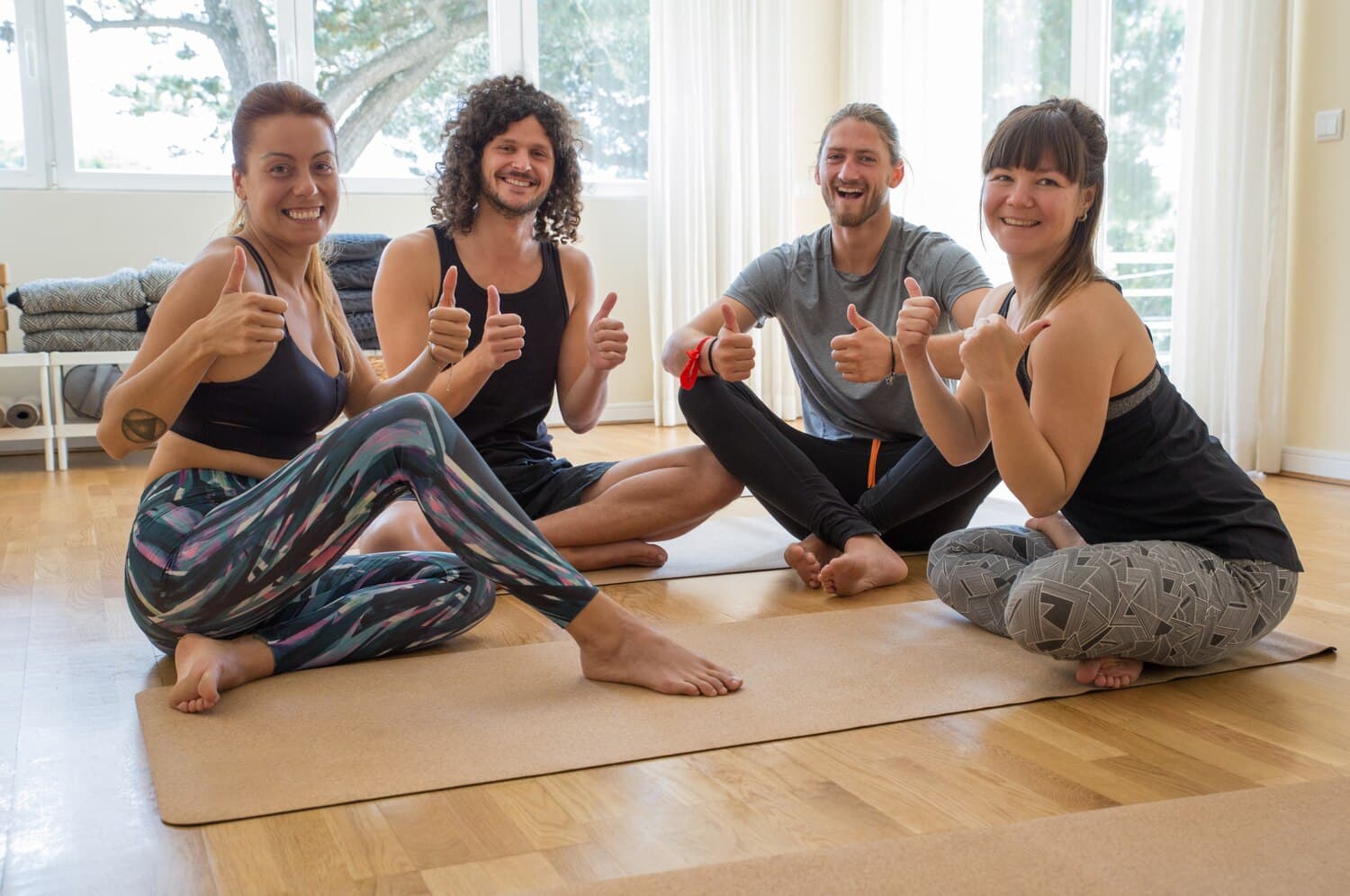
3. Yoga: The Non-Verbal Language of Movement
Yoga has transitioned from a localized spiritual practice to a $100 billion global industry (Global Wellness Institute, 2024). For the traveler, yoga is a "plug-and-play" community.
The Liturgy of the Asana
Most international yoga classes follow a similar structure. Even if the teacher speaks a different language, the Sanskrit names for poses (Asanas)—such as Adho Mukha Svanasana (Downward Dog)—act as a universal liturgical language.
Community Hubs: The "Kula"
In Sanskrit, Kula refers to a community of the heart. Modern yoga studios function as secular community centers. Research indicates that "synchronous movement" (moving in time with others) releases endorphins and creates a sense of collective identity, often referred to as "collective effervescence."
Case Study: The Digital Nomad Hubs
In locations like Bali (Indonesia), Lisbon (Portugal), and Medellín (Colombia), yoga studios serve as the primary social networking sites for expatriates and locals. A study in the Journal of Travel Research (2023) found that travelers who joined a local yoga studio reported 30% lower levels of travel-related loneliness.
4. The "Padel" Phenomenon: The New Global Networking Sport
While soccer remains the king of sports, Padel has emerged in 2025 as the fastest-growing social sport globally. Originating in Mexico and exploding in Spain, it has now taken over Europe, the Middle East, and parts of Asia.
Why Padel is the Ultimate Icebreaker
- The Doubles Format: Padel is almost exclusively played in doubles. This necessitates interaction and cooperation.
- Enclosed Space: The smaller court size allows for easy conversation between points, unlike tennis where players are further apart.
- The "Third Set" Culture: In many countries (particularly Spain and Sweden), the "third set" refers to the social drinks and tapas shared after the game.
Statistics on Growth
According to the International Padel Federation (FIP), there are now over 25 million players in 110 countries. The app-based nature of the sport (using platforms like Playtomic) allows a traveler to land in a new city and join a match with three strangers based on their skill level within minutes.
5. Music and Rhythm: The Universal ISO
Music is often cited as the only truly universal language. However, for a hobby to be an icebreaker, it usually requires a participatory element.
Jam Sessions and Open Mics
For musicians, the "Jazz Standard" or the "Blues Scale" serves the same purpose as the rules of chess. They are frameworks that allow strangers to collaborate in real-time.
Dance: Salsa and Bachata
Social dancing is a highly structured way to interact with strangers. Salsa, specifically, has a "Global Syllabus." A lead from Italy can dance with a follower from Japan because the foundational steps and signals are standardized.
- Pro Tip: Look for "Socials"—dedicated dance events where it is culturally expected to ask strangers to dance, bypassing traditional social anxieties.
6. Modern Icebreakers: Gaming and TCGs
In the digital age, we must recognize the power of "Phygital" (Physical + Digital) hobbies.
Trading Card Games (TCGs)
Games like Magic: The Gathering, Pokémon, and Disney Lorcana have global "Local Game Store" (LGS) networks. These stores act as safe havens for travelers.
- The "Rule of 4": Most TCG players share a common lexicon and a deep level of "nerd culture" that transcends nationality.
eSports and Gaming Centers
Gaming lounges in cities like Seoul or Tokyo are modern-day equivalents of the 18th-century English coffeehouse. Participation in a local League of Legends or Street Fighter tournament provides instant entry into a subculture.
7. Comparative Analysis of Universal Hobbies
To help learners choose the right "traveling hobby," we can categorize them based on social intensity and language requirement.
| Hobby | Social Intensity | Language Requirement | Equipment Needed |
|---|---|---|---|
| Chess | Medium | Very Low | None (usually provided) |
| Yoga | Low to Medium | Low (Sanskrit help) | Yoga Mat |
| Padel | High | Medium | Racket (rentable) |
| Salsa Dance | Very High | Low | Dance Shoes |
| Photography | Low | Low | Camera/Phone |
| Gaming (TCG) | High | Medium | Card Deck |
8. Critical Perspectives: Cultural Sensitivity and "The Expat Bubble"
While universal hobbies are excellent icebreakers, they come with challenges that the conscious traveler must navigate.
The Risk of the "Expat Bubble"
One criticism of hobbies like Yoga or Padel is that they can create "bubbles" where travelers only interact with other travelers or wealthy locals. To truly use a hobby as an icebreaker for local culture, one must seek out authentic local venues rather than high-end international franchises.
Cultural Appropriation vs. Appreciation
When practicing hobbies with deep cultural roots—like Yoga or Martial Arts—it is essential to remain respectful of the practice's origins.
- Research Tip: Learn the local etiquette. For example, the etiquette of a chess park in Russia differs significantly from a chess club in London.
9. How to Leverage Hobbies While Traveling (Step-by-Step)
For a hobby to work as an icebreaker, you need a strategy.
Step 1: Research Local "Nodes"
Before arriving, identify the physical locations where your hobby lives.
- Yoga: Use YogaAlliance or Instagram tags.
- Chess: Look for public parks (e.g., Jardin du Luxembourg in Paris) or dedicated cafes.
- Sports: Download local apps (e.g., Meetup, Playtomic, Street Soccer World).
Step 2: Learn the "Local Dialect" of the Hobby
Every hobby has a local flavor. In Brazilian Jiu-Jitsu, it’s the "shaka" sign and the word "Oss." In chess, it might be a specific way of offering a draw. Learning these small cultural nuances shows respect and accelerates integration.
Step 3: Be a "Regular" Quickly
If staying in a city for more than a week, visit the same spot at the same time. The "Mere Exposure Effect" in psychology states that people tend to develop a preference for things (and people) merely because they are familiar with them.
10. Advanced Topic: The Psychology of "Serious Leisure"
Sociologist Robert Stebbins introduced the concept of "Serious Leisure"—the systematic pursuit of an amateur, hobbyist, or volunteer activity that is sufficiently substantial and interesting for the participant to find a "career" there in the acquisition and expression of its special skills, knowledge, and experience.
Why "Serious" Hobbyists Connect Faster
People who engage in serious leisure possess a high level of domain-specific cultural capital. This allows them to bypass small talk. When two "serious" birdwatchers meet, they don't talk about the weather; they talk about the migratory patterns of the Siberian Crane. This depth of knowledge creates an instant, high-trust bond.
11. Common Misconceptions
- "I need to be an expert to participate."
- Reality: Most hobby communities are incredibly welcoming to beginners. In fact, being a "clueless but enthusiastic" traveler is often a great way to get locals to "adopt" you and show you the ropes.
- "Hobbies are expensive to maintain while traveling."
- Reality: Many of the best icebreakers (Chess, Running, Street Football) are free or very low-cost.
- "Digital hobbies don't count as social."
- Reality: In 2025, the barrier between digital and physical is thin. A Discord group for local Pokémon GO players in Tokyo is a legitimate social gateway.
12. Summary and Key Takeaways
Universal hobbies act as a "Social Rosetta Stone," allowing humans to communicate through action when words fail. By investing time in a globally recognized hobby, you are essentially purchasing an "all-access pass" to social circles worldwide.
Key Takeaways:
- Shared Intentionality: Hobbies align our brain states with others, reducing social anxiety.
- Standardization is Key: Chess and Yoga are powerful because their "rules" are the same everywhere.
- Low Verbal Friction: These activities allow for "parallel play," where conversation is optional but connection is inevitable.
- The "Third Place": Hobbies provide a safe, neutral ground for meeting locals and fellow travelers.
- Tech-Enabled Entry: In 2025, apps like Playtomic and Meetup are essential tools for finding your tribe instantly.