Property and Policing in Berlin: The Rare Success of the Digital Sting

In a metropolis where a heavy-duty Abus lock is often viewed more as a suggestion than a deterrent, the recovery of a stolen bicycle is statistically closer to a miracle than a standard administrative outcome. For one Berlin resident recently, that miracle was facilitated not by luck alone, but by a rare alignment of digital surveillance and proactive policing. After identifying her stolen property on a popular online classifieds platform, she contacted the authorities, who took the unusual step of arranging a sting operation to meet the seller. While the outcome was successful, the incident highlights a widening gap between Berlin’s endemic theft rates and the institutional capacity to address them.
[image query=berlin bicycle lock]
For the professional expat, understanding the mechanics of bike theft in Berlin is an essential exercise in risk management. This is not merely about petty crime; it is a structural reality of the city’s informal economy. In 2024 and 2025, Berlin consistently reported some of the highest bicycle theft rates in Germany, with recovery rates stagnating below 5%. As we look toward 2026, police projections suggest that the total volume of thefts may stabilize, but the financial value of stolen goods is expected to rise sharply as the market continues its transition toward high-end e-bikes and cargo bikes.
The Protocol of Recovery
The case in question succeeded because the owner had documented her property with enough precision to prove ownership instantaneously. For the Berlin police (Polizei Berlin) to intervene in a private sale, the claimant must provide more than a vague description. A frame number (Rahmennummer), a specialized bike passport (Fahrradpass), or an embedded GPS signal are the only currencies the police recognize for immediate action. Without these, even if you find your bike online, the police are legally hamstrung from intervening, as the seller can simply claim the bike was purchased in good faith from a third party.
[image query=police berlin investigation]
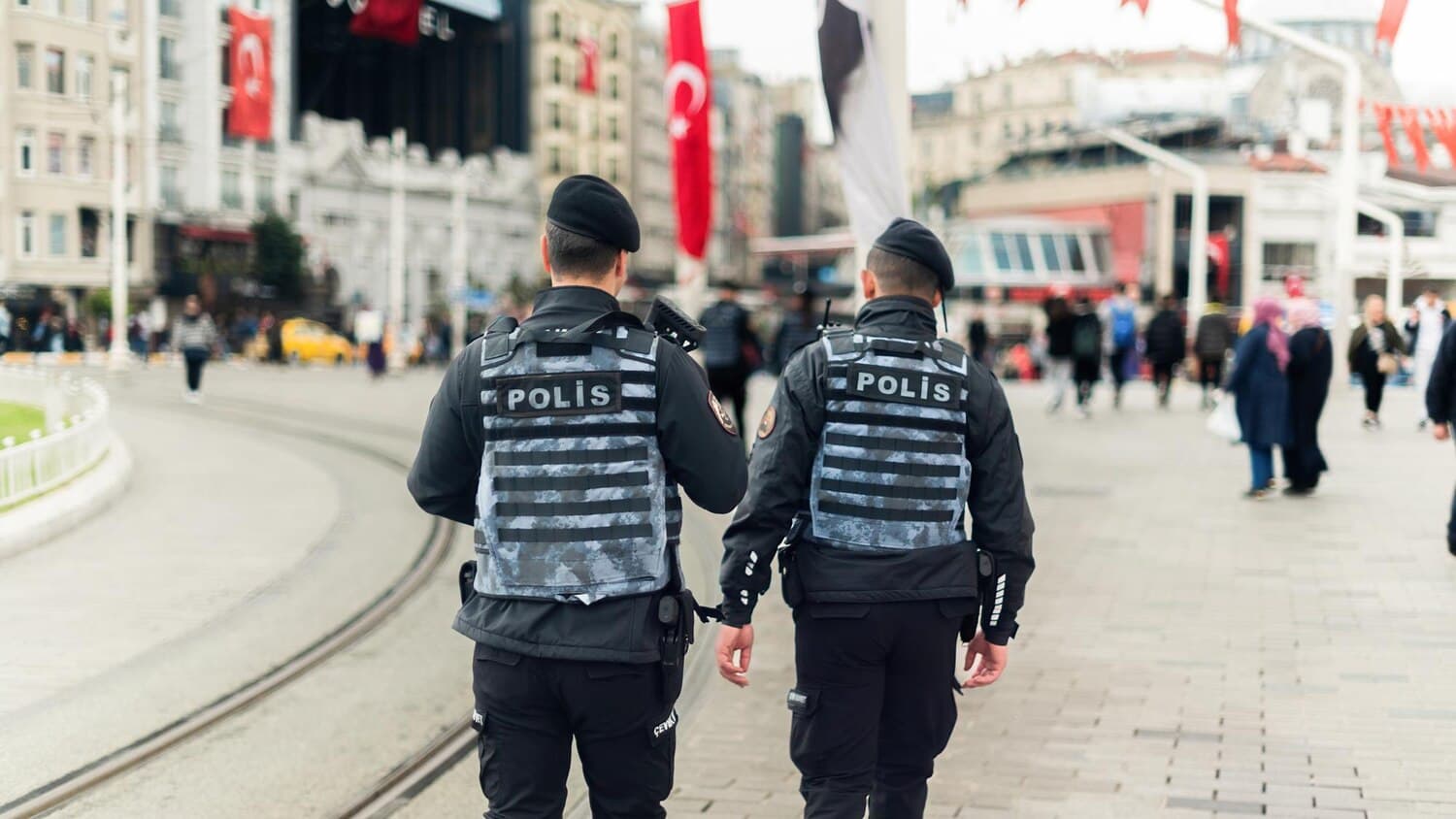
When a victim identifies their stolen bike on platforms like Kleinanzeigen, the instinct is often to confront the seller directly. Institutional guidance strongly advises against this. The successful recovery mentioned above was only possible because the police assumed the role of the buyer. This approach mitigates the risk of violence and prevents the seller from 'spooking' and deleting the listing. However, expats should be aware that such police cooperation is not guaranteed. Due to chronic understaffing within the Berlin police force, many such reports are met with a request to file a standard online report (Internetwache), which rarely leads to active investigation.
The Legal Reality of Stolen Goods
Under German law, specifically Section 259 of the Criminal Code (Strafgesetzbuch - StGB), the act of 'Hehlerei' (fencing) is a serious offense. However, the burden of proof regarding 'intent' is high. If a person buys a stolen bike at a flea market for a price that seems 'too good to be true,' they can be held legally liable. Conversely, if an expat unknowingly buys a stolen bike at a fair market price through a reputable-looking ad, they do not 'own' the bike under Section 935 of the German Civil Code (BGB). In Germany, you cannot legally acquire ownership of stolen property, even if you bought it in good faith. If the original owner finds you, you must return the bike without compensation, leaving you to chase the seller for a refund that will likely never materialize.
[image query=german law book]
2026 Projections and Risk Mitigation
By 2026, the integration of 'smart' locking mechanisms and factory-integrated GPS is expected to become the industry standard for mid-to-high-range bicycles sold in Germany. Insurance companies are already beginning to adjust their policies, with several major providers expected to mandate secondary digital tracking for any bike valued over €2,500 by the end of the 2026 fiscal year. For the professional, the shift is clear: physical security is no longer sufficient.
To navigate this environment, one must adopt a high-diligence model. This includes:
- Immediate registration of the frame number with the ADFC (Allgemeiner Deutscher Fahrrad-Club).
- Maintaining a digital folder with high-resolution photos of unique markings or scratches.
- Utilizing hidden trackers (such as AirTags or integrated GPS) which provide the 'probable cause' necessary for police to enter a private property if the bike is tracked to a cellar or apartment.
- Reviewing the 'Hausratversicherung' (Home Contents Insurance) to ensure it specifically covers 'einfacher Diebstahl' (simple theft) outside the home, and checking if the 2026 premium adjustments require specific lock certifications (e.g., VdS class A+).
This rare instance of a successful police sting serves as a reminder that the system can work, but only when the owner provides the state with the exact tools required for intervention. In Berlin, the responsibility of property protection has shifted almost entirely to the individual; the police are the cleanup crew, not the preventative force. The operative mental model for any resident should be that a bike is a transient asset, the longevity of which is directly proportional to the quality of its documentation and the complexity of its recovery.
Related Stories

The End of Pet Regulatory Fragmentation: Navigating the EU’s Unified Traceability and Breeding Mandates

The Safety Paradox: Interpreting Germany’s 2026 Crime Data and the Rise in Sexual Offenses

The Shrinkflation Litmus Test: Why the Mondelez Court Case Redefines German Consumer Rights


Comments