Germany’s Lyrids: A Strategic Guide to Navigating the 2026 Spring Meteor Peak

5 min read
0Daily Life
Germany’s Lyrids: A Strategic Guide to Navigating the 2026 Spring Meteor Peak
Daily Life

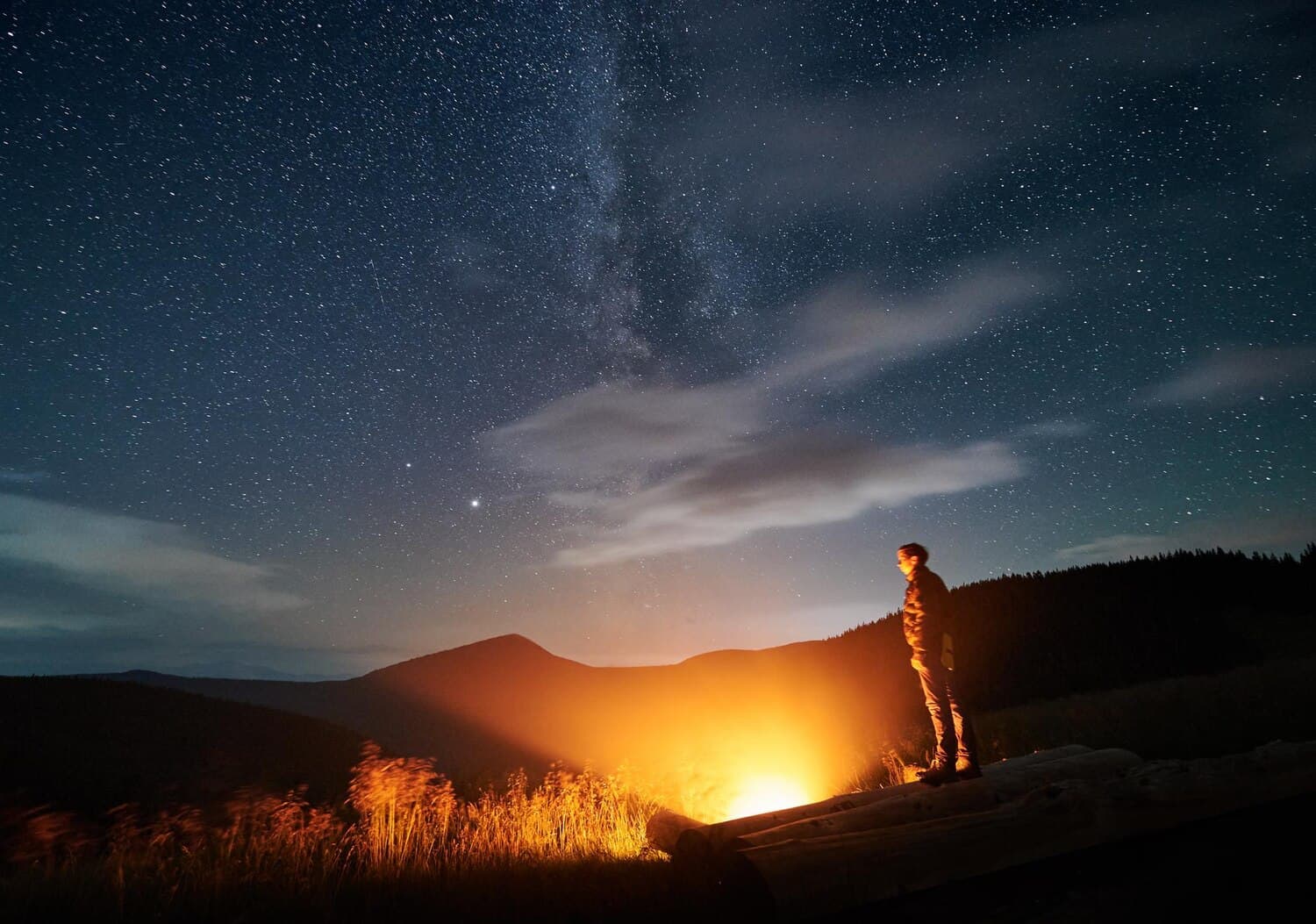
For the cross-border professional stationed in Germany’s dense urban corridors—Frankfurt’s banking district, Munich’s tech hubs, or the Berlin sprawl—the arrival of the Lyrid meteor shower presents a logistical challenge often at odds with the country’s rigid light pollution profile. Between April 14 and April 30, 2026, the Earth passes through the debris trail of Comet C/1861 G1 Thatcher. While the event is a predictable fixture on the astronomical calendar, the actual visibility for an observer in Central Europe is dictated by a volatile mix of atmospheric pressure systems, urban density, and the specific lunar phase of the 2026 cycle.

[image query="stargazing germany eifel"]

Understanding the Lyrids requires moving past the simplified "shooting star" narrative. This is an encounter with debris that has been orbiting the sun for centuries. As these particles enter the Earth's atmosphere at roughly 48 kilometers per second, they vaporize, creating the streaks known as meteors. For those in Germany, the peak is scheduled for the early morning hours of April 22, 2026. However, the window of opportunity is narrow, and the margin for error in location scouting is slim.

The Constraint of the 'Aprilwetter' Phenomenon

The primary obstacle for any observer in Germany is the meteorological instability known as Aprilwetter. Historically, April in Germany is characterized by rapid shifts between high-pressure clarity and sudden maritime polar air masses bringing cloud cover and precipitation. Data for 2026 suggests that the transition from winter to spring across the North German Plain and the Bavarian Alpine foreland will maintain this volatility.


Professional observers should monitor the Deutscher Wetterdienst (DWD) cloud cover forecasts specifically for "low-cloud" interference. A clear sky in the evening is no guarantee of clarity at 3:00 AM, which is when the constellation Lyra—the shower’s radiant point—reaches its optimal height in the German sky. The interaction between the jet stream and the topography of the Central Uplands (Mittelgebirge) often creates localized microclimates where one valley may be shrouded in fog while a nearby plateau remains clear.

Navigating Germany’s Light Pollution Infrastructure

Germany is one of the most densely populated and illuminated nations in Europe. For the expat professional, the "backyard" view is rarely sufficient for astronomical observation. The Bortle scale, which measures the night sky's brightness, ranks most German city centers at Class 8 or 9, where the Lyrids’ fainter streaks are entirely washed out. To move from seeing perhaps one meteor per hour to the expected 15–20 during the peak, a deliberate exit from the urban core is required.

[image query="light pollution map germany"]

Institutional efforts to preserve the night sky have led to the designation of Sternenparks (Star Parks). These are areas where light pollution is strictly regulated by local ordinances to protect nocturnal ecosystems. For those based in Berlin or Brandenburg, the Westhavelland Nature Park remains the premier destination. Professionals in the west, near the Rhine-Ruhr megalopolis, must look toward the Eifel National Park. Meanwhile, those in the south have access to the Rhön Biosphere Reserve, which offers some of the highest contrast skies in the country.

The 2026 Lunar Factor

In 2026, the peak of the Lyrids on April 22 coincides with a waxing crescent moon, illuminated at approximately 28%. This is a favorable variable. Unlike a full moon, which creates significant "sky glow," the 2026 crescent will set relatively early, leaving a dark window in the pre-dawn hours. This timing is critical; the Lyrids are known for producing "fireballs"—exceptionally bright meteors—but the bulk of the shower consists of medium-brightness streaks that require a moon-free sky to be visible to the naked eye.

Practical Logistics and Legal Realities

Observation in Germany is not merely a matter of finding a dark spot on a map; it requires adherence to local land-use regulations. Much of Germany’s rural land is either active farmland or protected forestry.

  • Access Rights: While the Betretungsrecht allows for responsible access to open landscapes for recreation, this does not extend to motorized vehicles on forest tracks. Professionals should utilize designated Wanderparkplätze (hiking parking lots) and proceed on foot.
  • Thermal Regulation: Despite the late April date, temperatures in high-altitude viewing areas like the Harz mountains or the Black Forest frequently drop toward freezing overnight. High-performance thermal gear, typically reserved for winter sports, is standard equipment for stationary observation.
  • Optical Equipment: The Lyrids are best viewed with the naked eye because of their speed and the breadth of the sky they cover. Telescopes and binoculars, while useful for deep-sky objects, restrict the field of view too severely for meteor tracking.

[image query="lyrid meteor shower peak"]

Professional Etiquette in Dark Sky Areas

When visiting a Sternenpark or a rural observation point, the use of white light is a significant breach of etiquette and a practical hindrance. It takes the human eye approximately 20 to 30 minutes to fully adapt to the dark. A single glance at a high-brightness smartphone screen or the use of a standard flashlight resets this process instantly. Seasoned observers use red-filtered light, which does not trigger the same level of pupil contraction, preserving night vision for the duration of the peak.

For the expatriate professional, the 2026 Lyrids offer a rare moment of intersection between Germany’s rigorous environmental preservation and the broader mechanics of the solar system. Success depends less on the luck of the draw and more on the strategic selection of location, an understanding of the 2026 lunar cycle, and a realistic assessment of the German spring climate. To treat the event as a casual balcony activity is to almost certainly miss the experience; it is an exercise that rewards those who treat leisure with the same precision they apply to their professional lives.

Comments

0/2000

STAY CONNECTED WITH THE EXPAT COMMUNITY

Subscribe to get expat tips, local insights, and connect with professionals around the world.