
Operation Speed 2026: The Structural Reality of Germany’s Blitzermarathon Enforcement

5 min read
0Daily LifeGermany
Operation Speed 2026: The Structural Reality of Germany’s Blitzermarathon Enforcement

For the professional navigating German roads, the week of April 13 to 19, 2026, represents more than a seasonal traffic advisory. It marks the synchronized activation of the ROADPOL Operation Speed, colloquially known across the Federal Republic as the Blitzermarathon. This is not a randomized check but a coordinated structural deployment of thousands of measurement points designed to reinforce the rigorous standards of the Bußgeldkatalog (Fines Catalogue). For the expat executive or the cross-border professional, the risks of this week extend beyond a simple fine; they involve the potential for mandatory driving bans (Fahrverbot) and the accumulation of points in the Flensburg registry, which can jeopardize professional mobility and insurance standing.
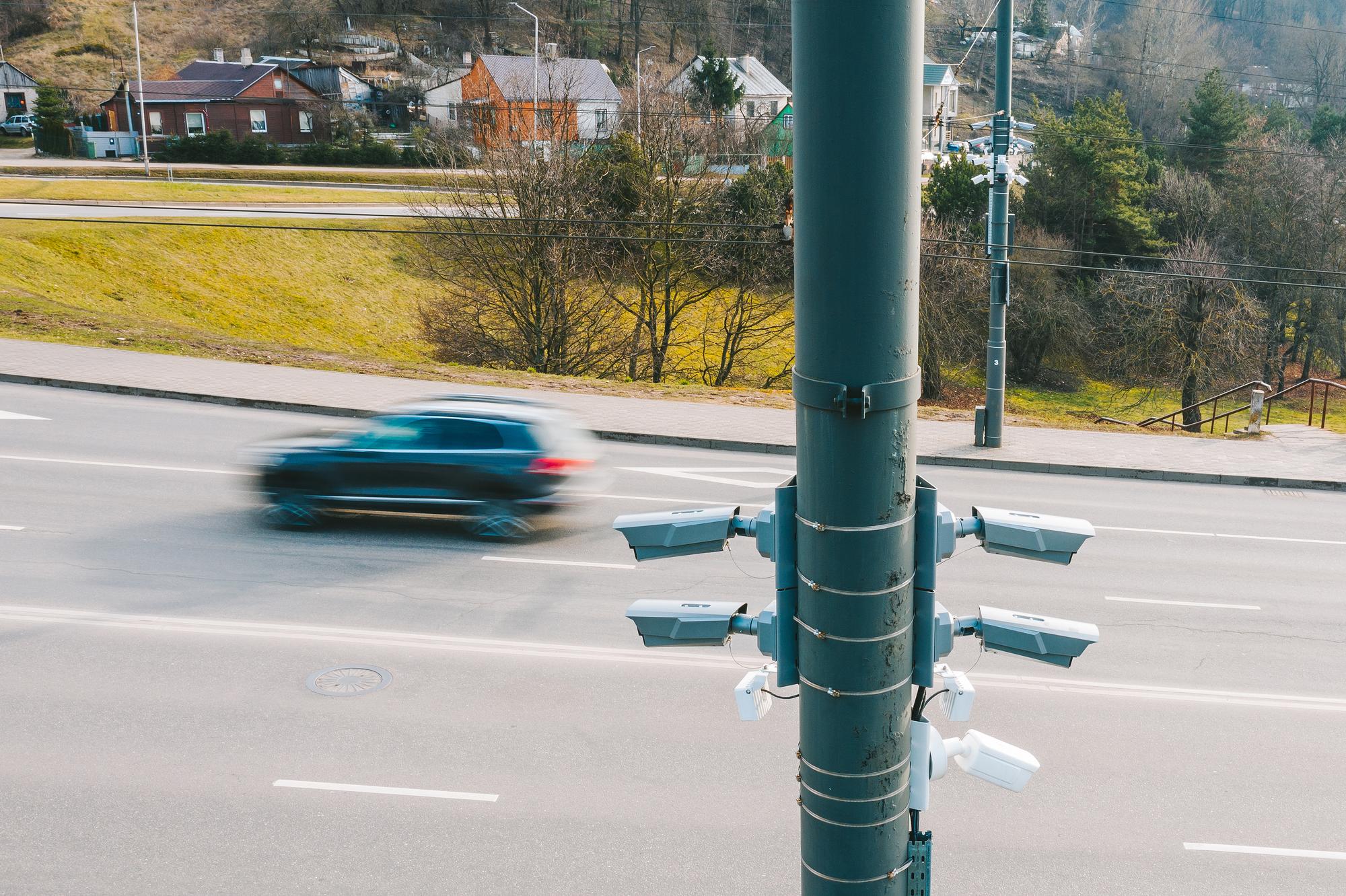
germany speed camera

Germany’s approach to speed Enforcement is decentralized but highly efficient. During this high-intensity week, the distinction between state police (Landespolizei) and local municipal Enforcement (Ordnungsamt) blurs as both entities deploy a mix of mobile lidar units, stationary cameras, and the increasingly prevalent 'Enforcement Trailers.' These semi-stationary, armored units are particularly effective in 2026, as they are now integrated with AI-driven plate recognition and can operate autonomously for up to a week without human intervention. The focus remains heavily on 'danger zones'—schools, construction sites on the Autobahn, and urban residential areas—but the sheer density of checkpoints means that even minor arterial roads are under surveillance.

The 2026 Regulatory Landscape and Fine Thresholds

Under the current 2026 regulations, the margin for error has narrowed significantly. It is a common misconception among newcomers that the Autobahn is a lawless zone of infinite speed. In reality, approximately 30% of the network is permanently restricted, and another significant portion is governed by dynamic overhead displays (Verkehrsbeeinflussungsanlagen) that can lower limits instantly based on weather or traffic density. During the April speed week, these dynamic limits are monitored with zero tolerance for the 'technical buffer' that drivers often assume exists.
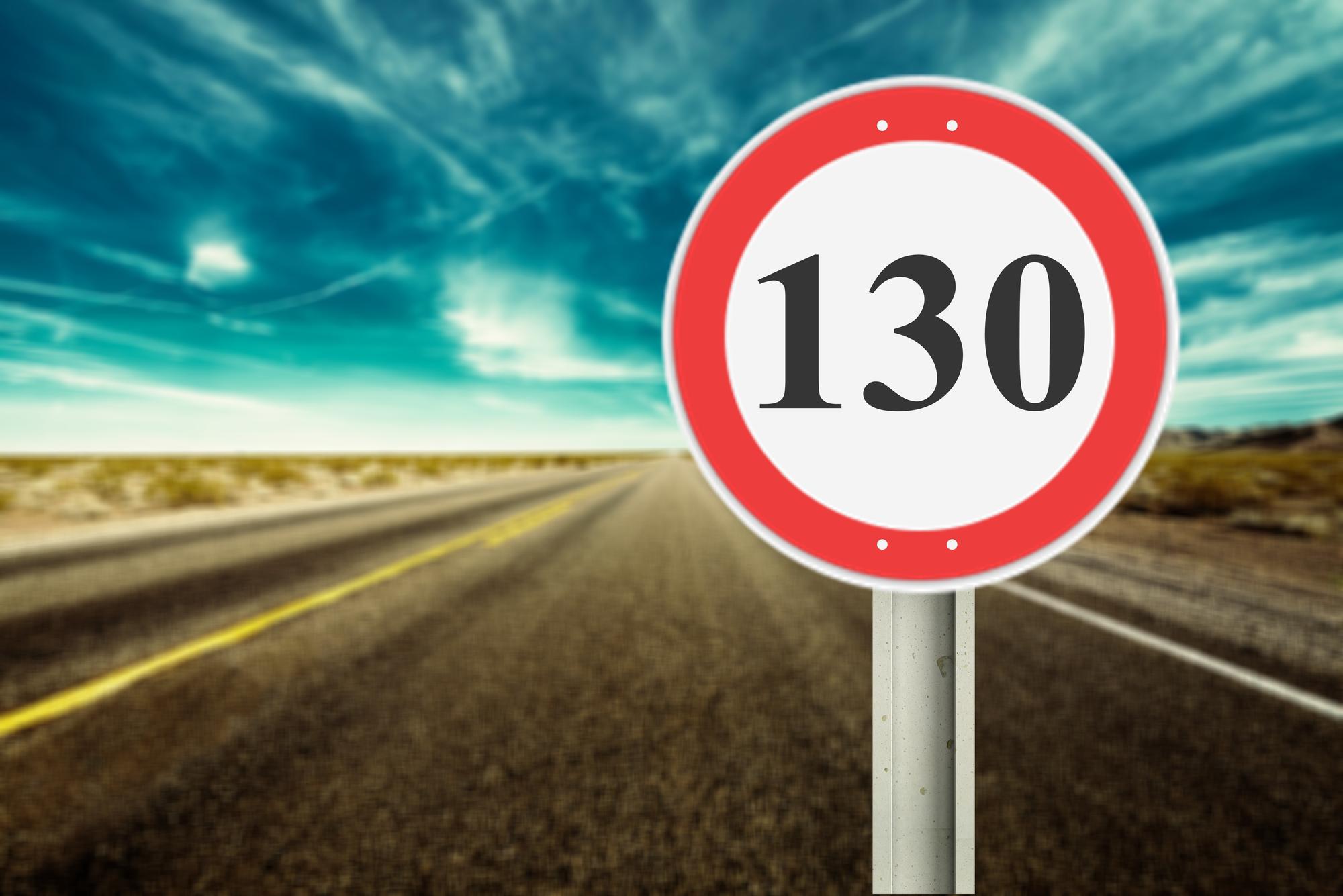

For a passenger vehicle in 2026, exceeding the limit by as little as 21 km/h in an urban area triggers an automatic one-month driving ban in addition to a substantial fine. In non-urban settings or on the Autobahn, the threshold for a ban is typically 26 km/h over the limit if repeated within a 12-month period, or 31 km/h for a single offense. For professionals reliant on their vehicles for regional travel, these sanctions are non-negotiable. German courts rarely grant exceptions for 'professional necessity' to avoid a driving ban, as the legal precedent maintains that the individual must bear the consequences of their endangerment of the public.

autobahn speed limit

Technology, Data, and Privacy Constraints

The technology deployed in 2026 has moved beyond the traditional 'red flash' cameras. Modern 'PoliScan' systems use light detection and ranging (Lidar) to track multiple vehicles across several lanes simultaneously. This eliminates the 'shielding' defense where a driver claims another car triggered the sensor. Furthermore, while Germany maintains strict data privacy laws (DSGVO), the use of dashcams remains a complex legal gray area. While they can be used to contest a fine in specific circumstances, the primary evidence used by authorities—the high-resolution infrared portrait of the driver—is considered conclusive in identifying the offender (Fahrerhaftung).

Unlike many other jurisdictions, Germany penalizes the driver, not the vehicle owner. However, if the driver cannot be identified, the owner may be legally compelled to maintain a Fahrtenbuch (logbook) for all future trips, a bureaucratic burden that many companies view as a liability. This is particularly relevant for those driving company-leased vehicles or using corporate car-sharing pools. A notification of a speeding violation during this week will invariably be routed through the employer's fleet management, creating an internal HR record before it even reaches the individual's desk.

The Professional and Economic Fallout

The economic impact of a violation during the Blitzermarathon is not limited to the administrative fine. In 2026, insurance providers have more granular access to risk profiles, and a recorded 'A-violation' (a serious offense) can lead to a significant hike in premiums. Moreover, for those holding a foreign license while residing in Germany, the rules of naturalization and long-term residency often look unfavorably upon a history of administrative offenses. While a single speeding ticket is unlikely to derail a visa application, a pattern of 'disregard for legal order'—which a driving ban can imply—is a factor that immigration authorities can consider during discretionary reviews.

police traffic control

It is also essential to understand the 'Point System' in Flensburg. Reaching eight points results in the immediate withdrawal of the driving license. During this enforcement week, the probability of incurring a two-point offense (reserved for high-speed violations or those involving endangerment) increases. Once points are accrued, the timeline for their expiration is fixed; for example, a two-point offense remains on the record for five years, providing a long-tail risk for any subsequent infractions.

Strategic Recalibration for the Week Ahead

To navigate this week—and German driving culture in general—the informed professional must shift from a reactive to a proactive mental model. Avoid reliance on community-sourced 'blitzer' apps; while popular, their use by the driver is technically illegal in Germany and can result in separate fines and point deductions if discovered during a routine stop. The most effective mitigation strategy is an uncompromising adherence to the posted limits, particularly in the transition zones where Autobahns enter urban perimeters.

Final clarity for the week of April 13: Treat every overhead gantry and every parked trailer as an active enforcement node. The objective of the German authorities is not merely revenue generation—fines are often lower than in neighboring Switzerland or the Netherlands—but the enforcement of a collective social contract regarding public safety. A violation is viewed not as a mistake, but as a breach of that contract, carryings consequences that far outlast the one-week campaign.

Comments

0/2000

STAY CONNECTED WITH THE EXPAT COMMUNITY

Subscribe to get expat tips, local insights, and connect with professionals around the world.