The Decoupled Hub: Navigating the Structural and Logistical Shift at Frankfurt’s Terminal 3

For a decade, the massive construction site on the southern perimeter of Frankfurt Airport—the former grounds of the Rhein-Main Air Base—has been a silent spectator to the flux of global capital. The 2026 full-scale operational launch of Terminal 3 marks more than a simple capacity expansion; it represents a fundamental re-engineering of Germany’s primary aviation gateway. For the frequent professional traveler and the logistical planner, the opening of this facility necessitates a recalibration of how one interacts with the Rhine-Main region. This is not merely a new wing; it is effectively a second airport, geographically and operationally distinct from the legacy structures of Terminals 1 and 2.
The central tension for the international professional lies in the terminal’s physical isolation. Unlike Terminal 1, which sits atop the region’s most critical rail intersections, Terminal 3 is located on the opposite side of the runways. As operations scale toward the projected 19 million annual passengers in 2026, the reliance on the automated SkyLine people mover system becomes a critical variable. For those arriving via the Deutsche Bahn ICE network at the Fernbahnhof, the transit time to the south side must now be factored into the itinerary with precision. The assumption that 'arriving at Frankfurt Airport' equates to being minutes from the gate is no longer a valid mental model for those assigned to the new piers.
The Economic Realignment of Fraport
The activation of Terminal 3 is a strategic response by Fraport AG to the shifting economics of European aviation. While Terminal 1 remains the fortified bastion of Lufthansa and the Star Alliance, Terminal 3 is designed to accommodate a broader spectrum of carriers, including the persistent growth of low-cost and point-to-point models that previously found Frankfurt’s legacy infrastructure too cumbersome or expensive. By 2026, the airport’s capacity is expected to reach a ceiling that allows for 25 million additional passengers across the full build-out phase. This expansion is essential for Frankfurt to maintain its status as a top-tier global hub, competing directly with the modernized facilities in Istanbul and the persistent dominance of London Heathrow.

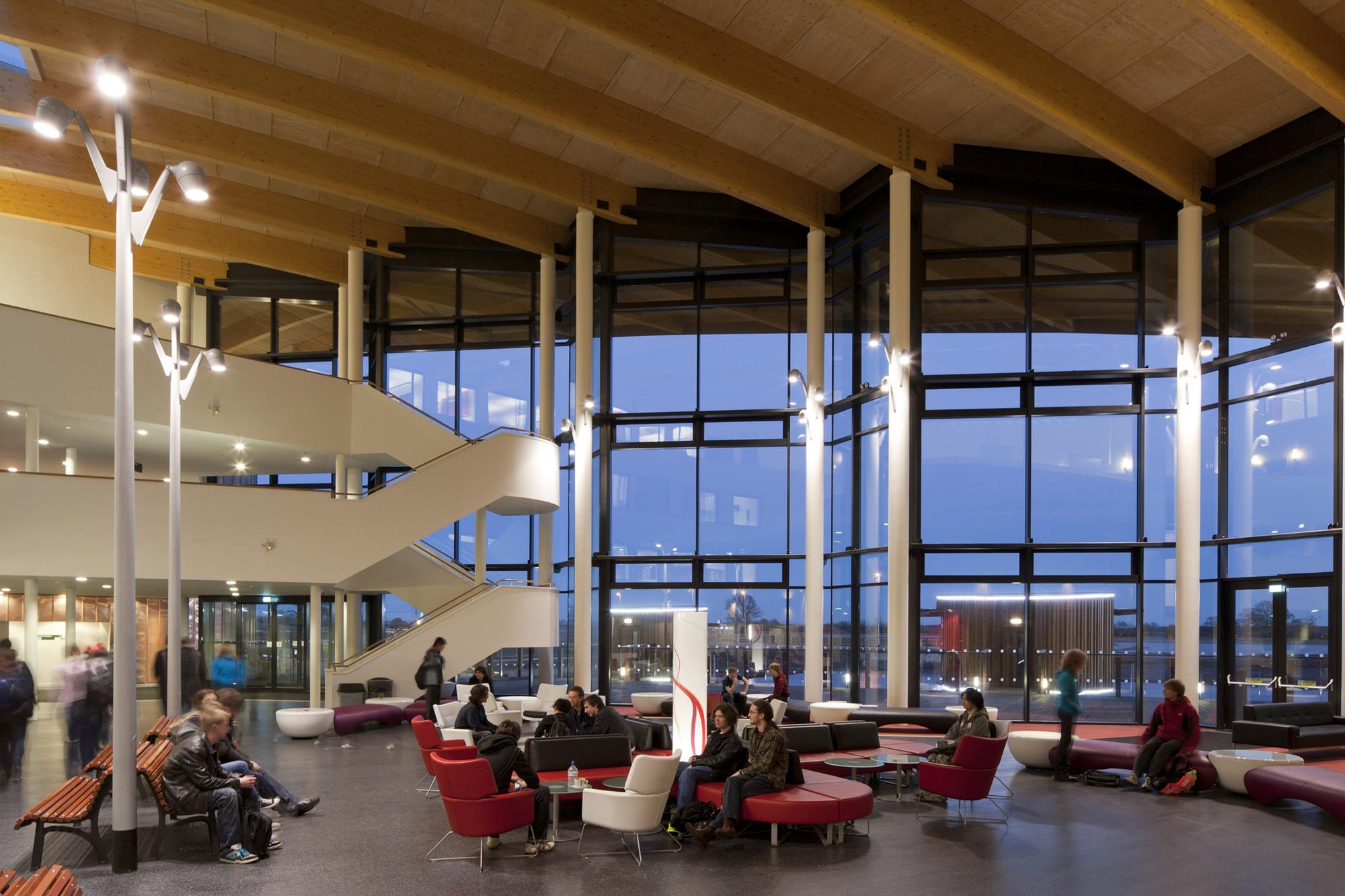
From a regulatory standpoint, the 2026 operational environment is governed by strict noise abatement protocols and environmental constraints that have dictated the terminal’s design. The facility utilizes sophisticated geothermal heating and cooling systems, reflecting the European Union's tightening ESG (Environmental, Social, and Governance) requirements for infrastructure. For corporate entities tracking their carbon footprint, the move to newer, more efficient terminals is becoming a material factor in procurement and travel policy. The terminal’s architecture—high glass ceilings and modular security zones—is intended to reduce the 'dwell time' of passengers, theoretically increasing the efficiency of the high-value business traveler.
Logistical Realities for the Cross-Border Professional
There is a risk of naivety regarding the 'Frankfurt experience' in this new era. The primary misunderstanding involves the 'last mile' of the airport transit. The extension of the SkyLine system is a 5.6-kilometer loop that, as of the 2026 schedule, is projected to run at two-minute intervals during peak periods. However, for those utilizing private car services or the A5 motorway, the southern access points are distinct. Approaching the airport from the north, as has been the standard for decades, will lead to significant delays if the destination is Terminal 3. Mapping and navigation systems are being updated to reflect these new access roads, but the human habit of following signs for 'Flughafen' remains a liability.
Furthermore, the distribution of lounges and premium services will be segmented. While Pier G is scheduled to serve high-frequency, low-complexity flights, Piers H and J are the focal points for long-haul international connectivity. The sophistication of the baggage handling system, which is integrated with the legacy terminals via an underground tunnel network, is designed to ensure that transfer times remain within the 45-minute industry standard. However, during the initial 2026 stabilization phase, seasoned travelers are advised to allow for a buffer, as the integration of a 'third pole' into a legacy system often reveals unforeseen bottlenecks in ground handling and security staffing.

The Professional and Cultural Pivot
The expansion also signals a shift in the local labor market. The 2026 operational forecast suggests the creation of several thousand new positions in ground operations, security, and retail. For the expat professional residing in the Frankfurt-Rhein-Main area, particularly those in the southern suburbs like Neu-Isenburg or Mörfelden-Walldorf, the center of gravity for employment and local noise impact is shifting. Property values in the southern corridor have already begun to reflect this institutional permanence, moving from 'airport periphery' to 'hub adjacent.'
Ultimately, Terminal 3 is a correction of a long-standing deficit. Frankfurt has long struggled with the aging infrastructure of Terminal 2 and the overcrowded corridors of Terminal 1. The new facility offers a 'clean sheet' approach to passenger flow. For the informed traveler, the transition requires an end to the autopilot approach to Frankfurt. One must now ask: Which side of the runway am I on? The answer determines not just the gate, but the entire logistical sequence of the journey. The 2026 reality is a bifurcated hub; those who fail to recognize this distinction will find themselves caught in the 5.6-kilometer gap between the old world and the new.
Related Stories

The Deutschlandticket Paradox: Why Labor’s Push for a Price Cut Faces Fiscal Gravity

Munich's New S-Bahn Routes: Construction Updates for Commuters

Deutschlandticket 2026: Price Stability vs. Increases for Commuters


Comments