Welcome to Hamburg! If you're reading this, you’re likely standing at the exciting, slightly terrifying, crossroads of a new life in Germany’s magnificent "Gateway to the World." The boxes might not be packed yet, but the questions are certainly piling up. And the biggest one of all? "Where on earth am I going to live?"
Moving to a new city is a whirlwind of emotions. Finding that perfect spot—your corner of the city, your go-to café, your quiet street—is what transforms a foreign place into a home. Hamburg is a city of a thousand different faces, from the edgy, graffiti-splashed walls of Sternschanze to the stately, cream-colored villas lining the Alster lake. Choosing the right neighborhood, or Stadtteil, is the first and most important step in crafting your new expat life.
This guide is your on-the-ground friend, designed to walk you through the best expat-friendly neighborhoods in Hamburg. We'll skip the fluff and dive straight into the practical details: the vibe, the cost, the pros, the cons, and who each area is truly best for.
Before You Choose: A Few Hamburg Realities
Before we explore the neighborhoods, let's get a few crucial things straight about finding a place in Hamburg. This city's housing market is notoriously competitive. Being prepared is half the battle.
- The Housing Hunger Games: Demand for apartments, especially in desirable areas, is fierce. It’s common for a good listing to have 50+ applicants. You need to be fast, organized, and persistent. Don't be discouraged; it’s a rite of passage for every new Hamburger.
- Understanding the Lingo: You'll encounter two types of rent: Kaltmiete (cold rent) and Warmmiete (warm rent).
- Kaltmiete is the base rent for the property itself.
- Warmmiete includes the Kaltmiete plus Nebenkosten (additional costs), which cover things like heating, water, trash disposal, and building maintenance. Electricity, internet, and the TV/radio license fee (Rundfunkbeitrag) are almost always paid separately.
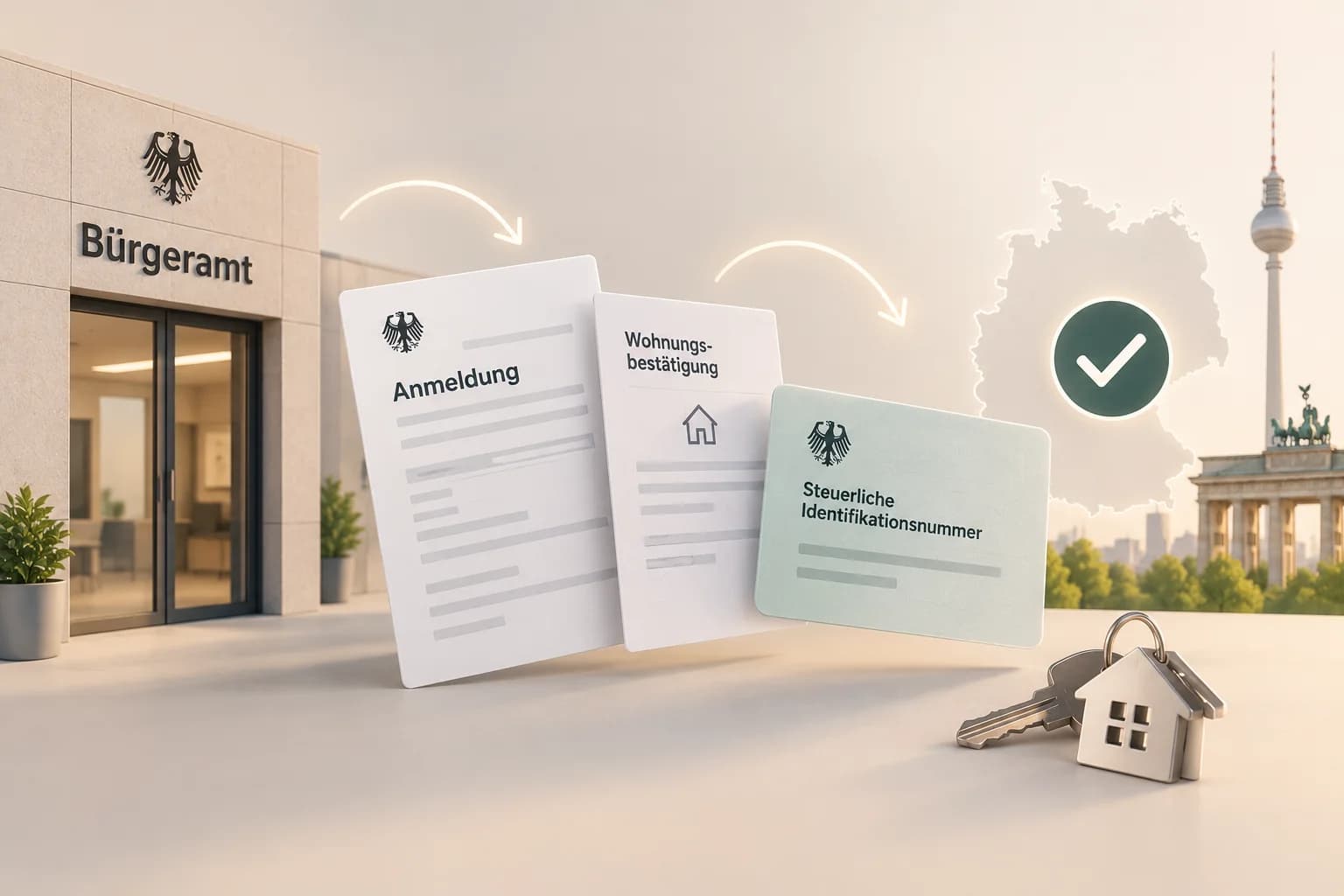
- The All-Important Anmeldung: Once you find a place and move in, you are legally required to register your address with the local authorities within two weeks. This process, called the Anmeldung, is your key to unlocking the rest of your German life—you'll need the registration certificate (Meldebescheinigung) to open a bank account, get a tax ID, and set up internet. Your landlord must provide a document called the Wohnungsgeberbestätigung to make this happen.
Now, let's find your new home.
Eimsbüttel: The Family-Friendly Urban Village
The Vibe: Charming, green, and effortlessly cool. Eimsbüttel is where beautiful Altbau (old building) architecture meets a vibrant, community-focused atmosphere. It’s packed with independent shops, organic markets, cozy cafés, and playgrounds on what feels like every corner. It’s urban living, but with room to breathe.
Perfect For: Young professionals, couples, and especially families. Its reputation as a family haven is well-earned, thanks to its excellent schools, parks, and safe, walkable streets.
Highlights:
- Osterstraße: This is the main artery of Eimsbüttel, a bustling street perfect for shopping, grabbing a coffee, or enjoying an ice cream.
- Proximity to Parks: You’re never far from green space, with easy access to the Eimsbütteler Park and the larger Sternschanzenpark.
- Community Feel: Weekend farmers' markets (Wochenmärkte), local festivals, and a general neighborhood pride make it feel like a village within the city.
The Reality Check: Because of its popularity, the competition for apartments here is intense. Rents are above the city average, and you'll need to have all your documents perfectly in order to even be considered for a viewing (Wohnungsbescheinigung).