Giving Birth in Estonia: A Guide for Expat Parents

9 min read
Family ParenthoodEstonia
Giving Birth in Estonia: A Guide for Expat Parents
Family Parenthoodestoniaexpathealth

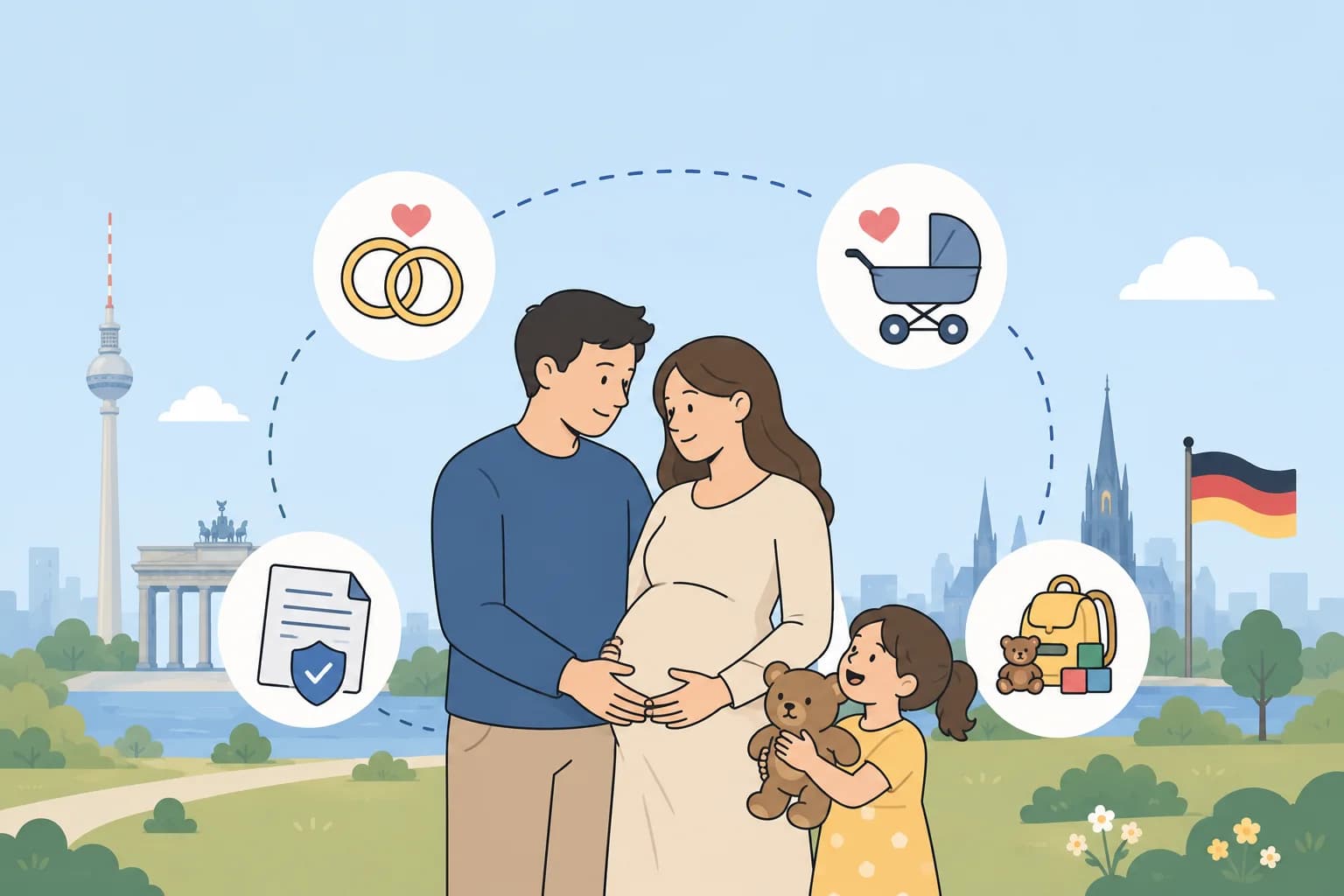
Starting a family is a momentous journey, filled with a unique blend of excitement, joy, and, let's be honest, a healthy dose of anxiety. When you're an expat, all those feelings are amplified. You're not just navigating pregnancy; you're navigating a foreign healthcare system, unfamiliar bureaucracy, and a different culture.

If you've found yourself on this path in Estonia, take a deep breath. You're in one of the best places in the world to become a parent. Famed for its digital-first society and incredibly generous family policies, Estonia offers a supportive, high-quality environment for welcoming a new life. But knowing that and knowing how to navigate it are two different things.

This guide is for you. We'll walk through every step of the process of giving birth in Estonia, from that first doctor's visit to a C-section to the paperwork maze, so you can focus on what truly matters: your growing family.

The Estonian Healthcare System: What to Expect

First, the basics. Estonia has a universal, solidarity-based healthcare system funded by social tax. If you are a legal resident and employed in Estonia (or your employer pays social tax for you), you are covered by the Estonian Health Insurance Fund, now called the Tervisekassa. This coverage extends to your pregnancy and childbirth. For expats, this means that as long as you have your residence permit and are covered by the Tervisekassa, nearly all of your maternity care will be free at the point of service.

The quality of care is exceptionally high, with modern facilities, English-speaking staff (especially in major cities like Tallinn and Tartu), and a strong emphasis on evidence-based medicine. Estonia's famous e-governance extends to healthcare, so your medical records, prescriptions, and pregnancy information are all stored digitally in your Patsiend portaal (Patient Portal), accessible with your ID card or Smart-ID.

Your Pregnancy Journey: A Step-by-Step Guide

Once you have a positive pregnancy test, your journey in the Estonian medical system begins.

Step 1: Confirming the Pregnancy & Getting into the System

Your first point of contact will be a women's clinic, a gynecologist (naistearst), or a midwife (ämmemand). You don't need a referral from a family doctor to see one. You can directly book an appointment at the hospital or clinic of your choice.

In Estonia, midwives play a central role. They are highly trained professionals who will likely be your primary caregiver throughout a low-risk pregnancy. They can perform check-ups, order tests and ultrasounds, and provide comprehensive support. This midwife-led approach is a cornerstone of Estonian maternity care.

Your first appointment will usually take place between weeks 7 and 9. Your midwife will confirm the pregnancy, take your medical history, and give you your digital Pregnancy Card (Rasedakaart). This is your all-important digital record that will be updated at every appointment.

Step 2: Prenatal Care & Screenings

You can expect a consistent schedule of appointments, roughly once a month until week 36, then every two weeks, and weekly in the final month.

Standard prenatal care in Estonia includes:

  • Regular Check-ups: Monitoring your blood pressure, weight, and the baby's growth and heartbeat.
  • Blood and Urine Tests: Routine tests for various health markers.
  • Ultrasound Scans: You will typically receive at least two major scans:
    • Week 12-13: The first trimester screening (including the OSCAR test) to check for chromosomal abnormalities.
    • Week 20-21: A detailed anatomy scan to check the baby's development.
  • Glucose Tolerance Test: Usually performed between weeks 24 and 28 to screen for gestational diabetes.

One of the best resources available are the Family Schools (Perekool) run by major hospitals. These offer lectures and practical courses (many in English or Russian) on everything from childbirth and pain management to breastfeeding and newborn care. They are an invaluable way to prepare and to meet other expectant parents. Check the websites of hospitals like Ida-Tallinna Keskhaigla (East Tallinn Central Hospital) or Lääne-Tallinna Keskhaigla (West Tallinn Central Hospital) for their English-language schedules.

Choosing a Hospital and Preparing for the Big Day

In Estonia, you have the freedom to choose which hospital you give birth in. The major maternity hospitals are well-equipped and offer a range of services.

Top Maternity Hospitals:

  • In Tallinn:
    • East Tallinn Central Hospital (Ida-Tallinna Keskhaigla - ITK): Known for its very popular maternity ward and a wide range of services.
    • West Tallinn Central Hospital (Lääne-Tallinna Keskhaigla - LTKH): Another excellent choice, also with modern facilities.
    • Fertilitas: A private hospital, which involves out-of-pocket costs but may offer more hotel-like amenities.
  • In Tartu:
    • Tartu University Hospital (Tartu Ülikooli Kliinikum): The main hospital for southern Estonia, with a top-tier reputation.

Birth Options & Facilities:

Estonian hospitals are very supportive of your birth plan. Common options include:

  • Natural Birth: With or without pain medication.
  • Pain Relief: Options like nitrous oxide ("laughing gas"), epidurals, and spinal anesthesia are widely available.
  • Water Birth: Most hospitals have rooms equipped with birthing pools.
  • Partner's Presence: Your partner is strongly encouraged to be present during labor and delivery.

After the birth, you can usually opt for a family room (perepalat). This is a private room where your partner can stay with you and the baby for the duration of your hospital stay. There is a nightly fee for this (around €50-€80, depending on the hospital in 2025), but most expats find it well worth the cost for the comfort and privacy. A standard hospital stay is typically 2-3 days for a vaginal birth and 3-5 days for a C-section.

After the Baby Arrives: Postnatal Care and Bureaucracy

Your care doesn't end when you leave the hospital. A family nurse will visit you at home during the first weeks to check on both you and the baby, offering support with feeding and answering any questions.

Now, for the part that can feel daunting: the paperwork. But with Estonia's digital systems, it's more straightforward than you might think.

1. Registering the Birth

You must register your baby's birth within one month. This is done at a local government vital statistics office (perekonnaseisuamet).

Documents you will need:

  • Medical Birth Certificate: The hospital will provide this.
  • Parents' Passports/ID Cards.
  • Marriage Certificate (if applicable): This is a critical point for expats. If you were married outside of Estonia, your marriage certificate will likely need to be apostilled or legalized in the country of origin and translated into Estonian. This can take time, so it's wise to start this process before the baby is born.
  • Application for Name: You will officially declare your baby's name.

Once registered, you will receive an Estonian birth certificate (sünnitõend).

2. Citizenship and Residence Permit

This is where your home country's laws come into play. Estonia follows the principle of jus sanguinis (right of blood).

  • Citizenship: Your baby will not automatically become an Estonian citizen unless at least one parent is an Estonian citizen. The baby will inherit the citizenship of its parent(s).
  • Contact Your Embassy: Your first step is to contact your country's embassy to register the birth and apply for your baby's passport. Each embassy has its own procedures and required documents.
  • Estonian Residence Permit: Once your baby has a passport, you must apply for an Estonian residence permit for them. You do this through the Police and Border Guard Board (PPA). It is crucial to do this promptly to ensure your child is a legal resident.

The Crown Jewel: Estonia's Parental Benefit System

This is what makes Estonia a paradise for new parents. The system is designed to provide financial security and encourage both parents to be involved. Here’s a breakdown of the main benefits for eligible residents as of early 2025.

Benefit Type What It Is Amount & Duration
Maternity Benefit (Emähüvitis) Paid to the mother for maternity leave. 100 days, starting up to 70 days before the due date. The amount is based on your previous year's average salary.
Shared Parental Benefit (Jagatud vanemahüvitis) The famous "parental leave" pay. It's a shared pot of leave for parents. 475 days (plus an additional 30 days for the father). Can be used by one parent or shared until the child is 3 years old. The amount is also based on the parent's previous salary.
Childbirth Allowance (Sünnitoetus) A one-time state payment to help with initial costs. €320 for the first and second child; €1000 for the third and subsequent children.
Child Allowance (Lapsetoetus) A monthly payment to support the child. €80 per month for the first and second child; €100 for the third and subsequent. Additional benefits for families with 3+ children.
Local Government Allowance Many municipalities (like Tallinn or Tartu) offer an additional one-time childbirth allowance. Varies by location. For example, Tallinn offers a benefit of €320, paid in two installments.

Who is eligible? To receive these benefits, you must be a legal resident of Estonia and have Tervisekassa coverage. The parental benefit amount is calculated based on the social tax paid on your income in the calendar year preceding the start of the leave.

Practical Tips for Expat Parents-to-Be

  • Learn a Little Estonian: While most medical staff speak excellent English, learning a few phrases like "Tere" (Hello), "Aitäh" (Thank you), and "Valus" (It hurts) goes a long way.
  • Join Expat Parent Groups: Search on Facebook for groups like "Expat Moms/Parents in Tallinn." They are a goldmine of real-world advice, second-hand baby gear, and social support.
  • Prepare for Winter: If you're having a baby in the colder months, invest in proper winter gear. Estonians are experts at bundling up babies in cozy wool and snowsuits for their daily naps outdoors in the pram—a very common and healthy practice here!
  • Trust the Midwives: The midwife-led system might be different from what you're used to, but Estonian midwives are highly respected professionals. Trust their expertise and build a good relationship with your primary caregiver.
  • Start the Paperwork Early: Don't wait until the baby is born to figure out if your marriage certificate needs an apostille. Research the process for getting your baby's passport from your embassy well in advance.

Your Estonian Parenthood Adventure

Giving birth abroad can feel like a monumental task, but in Estonia, you are stepping into a system that is fundamentally designed to support you. From the calm professionalism of the maternity wards to the incredible financial and social safety net of the parental benefit system, you are in good hands.

Yes, there will be paperwork. Yes, there may be moments of cultural confusion. But the journey will also be filled with incredible care, support, and the unique joy of starting your family's next chapter in this beautiful, forward-thinking corner of the world. Welcome to parenthood, Estonian-style

Subscribe to Our Newsletter

Welcome to our newsletter hub, where we bring you the latest happenings, exclusive content, and behind-the-scenes insights.

*Your information will never be shared with third parties, and you can unsubscribe from our updates at any time.