A Guide to Estonia's Best Christmas Markets

There’s a unique kind of magic to your first winter as an expat in a new country. The days get shorter, a distinct chill hangs in the air, and you start to wonder if the festive traditions you left behind can ever be replaced. Here in Estonia, I can tell you that they can’t be replaced—they’re enhanced, transformed into something ancient, snowy, and utterly enchanting.
When I first experienced a true Estonian Christmas, it wasn’t just about the twinkling lights; it was about the scent of roasted almonds and spiced glögi (mulled wine) mingling with the crisp Baltic air, the crunch of snow under my boots on a medieval cobblestone street, and the deep sense of history that permeates every celebration.
If you’re ready to dive into the heart of an Estonian winter, there’s no better place to start than its world-renowned Christmas markets. Here’s your comprehensive guide to the best of them, looking ahead to the 2025 festive season.
The Crown Jewel: Tallinn Christmas Market
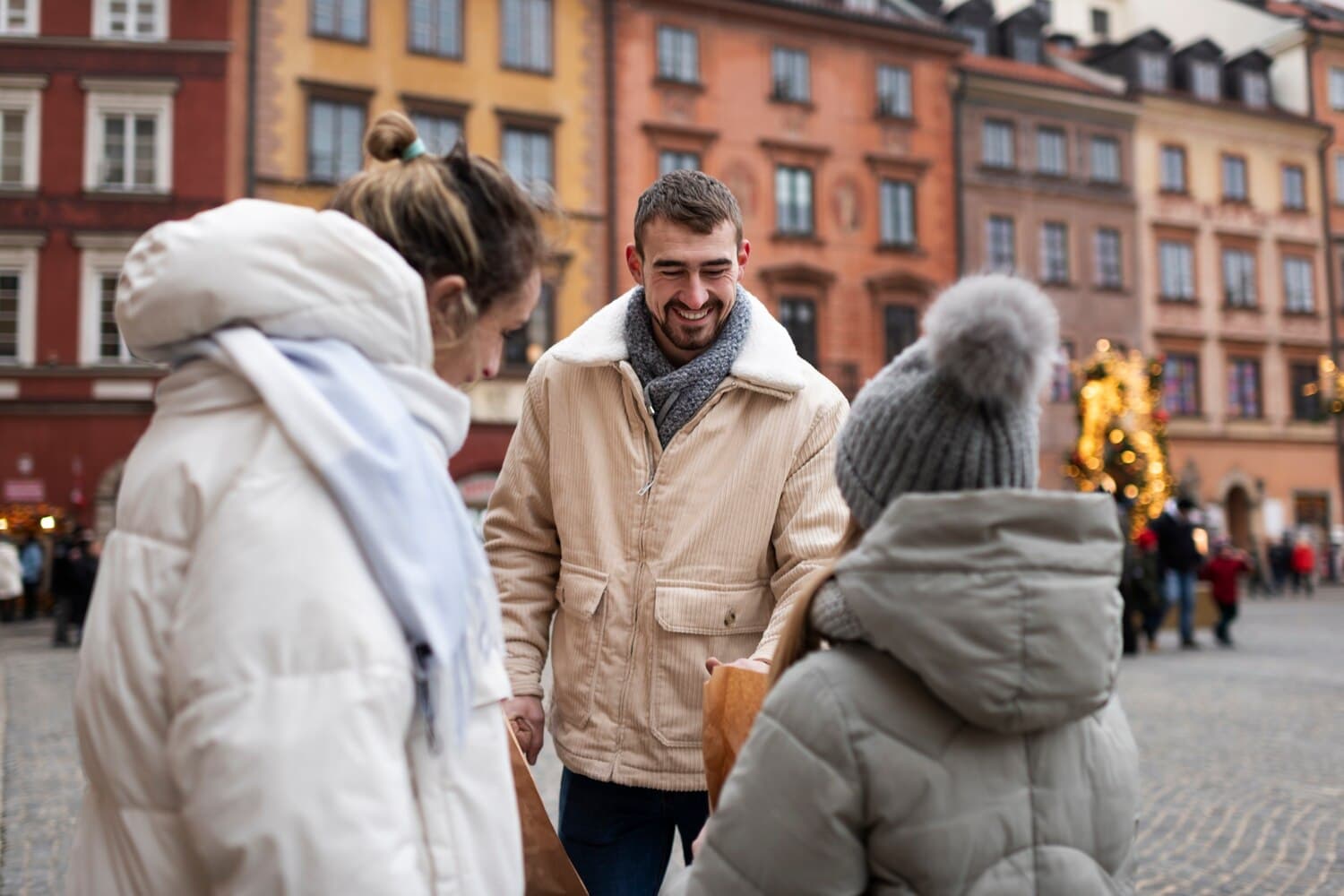
Let's start with the star of the show. The Tallinn Christmas Market, held in the historic Town Hall Square (Raekoja plats), isn’t just another festive market. It has been crowned the "Best Christmas Market in Europe" multiple times, and once you’re standing there, you’ll understand why. It feels less like a market and more like stepping into a fairy tale.
The centrepiece is always the magnificent Christmas tree, a tradition that dates back to 1441, making Tallinn one of the very first cities in Europe to display a public Christmas tree. The entire square is surrounded by beautifully preserved medieval merchant houses, their gabled roofs often dusted with a layer of fresh snow. It’s picture-perfect.
When to Go: Typically, the market opens in late November and runs through the first week of January. For 2025, expect it to run from approximately Friday, November 28, 2025, to Sunday, January 5, 2026. (Always be sure to check the official Visit Tallinn website for the confirmed dates as the season approaches).
What to Expect:
- The Vibe: Magical and bustling, but surprisingly cozy. Small wooden chalets radiate from the central tree, creating intimate alleyways to explore. It’s popular with tourists, so it can get crowded, especially on weekend evenings.
- The Food & Drink: This is a sensory overload in the best way possible. You absolutely must try the local Christmas delicacies.
- Glögi: The Estonian version of mulled wine, which comes in various strengths, both alcoholic and non-alcoholic. You can often get it with a splash of Vana Tallinn, a sweet, rum-based Estonian liqueur, for an extra kick.
- Verivorst ja Hapukapsas: The quintessential Estonian Christmas dish. These are blood sausages, usually served with sauerkraut, lingonberry jam, and roasted potatoes. Be brave and give it a try—it's surprisingly hearty and delicious.
- Piparkoogid: Estonian gingerbread cookies. They are often less sweet and more intensely spiced than what you might be used to. Perfect for dipping in your glögi.
- What to Buy: The focus is on high-quality, authentic Estonian handicrafts. This isn't the place for mass-produced souvenirs. Look for:

- Hand-knitted Woolens: Intricately patterned sweaters, hats, scarves, and mittens. The patterns often have traditional Estonian symbolism.
- Juniper Wood Crafts: Coasters, butter knives, and trivets made from fragrant juniper wood. The smell alone is a wonderful souvenir.
- Felted Goods: Whimsical felted wool hats (especially sauna hats!), slippers, and ornaments.
- Local Honey and Preserves: Delicious and beautifully packaged, making for great gifts to send home.
Expat Pro-Tip: To beat the biggest crowds, visit on a weekday afternoon. You’ll have more space to browse the stalls and chat with the vendors. Also, while many vendors now accept cards, some smaller stalls are cash-only, so it's wise to have some euros on hand.
The Soulful Alternative: Tartu Christmas Market
If Tallinn is the dazzling fairy-tale queen, Tartu is her clever, warm-hearted sister. As Estonia’s university town and a designated European Capital of Culture, Tartu’s Christmas market—known as the "City of Light"—offers a completely different, more intimate, and arguably more local experience.
Located in its own Town Hall Square, the market is built around the iconic "Kissing Students" fountain, which is transformed into a unique ice rink for the season. The entire concept is one of community and warmth.
When to Go: The Tartu market usually kicks off on the first Sunday of Advent (early December) and runs until early January. Expect the main market activities to be focused on the weekends. The lighting of the first Advent candle is a major community event.
What to Expect:
- The Vibe: Cozy, creative, and community-focused. It feels less commercial and more about shared experiences. You'll see more local families here than large tour groups.
- Unique Features:
- The Ice Rink: Skating around a famous statue in the heart of the old town is a truly unique experience.
- Glass Pavilions: Instead of traditional wooden huts, Tartu features beautiful glass pavilions that house workshops, cafes, and musical performances. It feels modern yet festive.
- Science & Culture: Given its university town status, the market often incorporates elements from the AHHAA Science Centre or literary readings, giving it an intellectual flair.
- What to Eat & Drink: You'll find all the Estonian Christmas staples here, but often with a local twist. The vibe is more relaxed, perfect for lingering over a hot drink with friends.
Expat Pro-Tip: Plan your visit to coincide with one of the Advent candle-lighting ceremonies on a Sunday. It’s a beautiful, authentic Estonian tradition that brings the whole city together. Check the Visit Tartu website for the full program of workshops and events, which are often free.
Exploring Beyond the Big Two
While Tallinn and Tartu are the main draws, several other Estonian cities and towns host charming festive events worth a day trip.
- Pärnu Christmas Village: As Estonia's "summer capital," Pärnu embraces its winter role with gusto. Its Christmas Village (Jõululinn) is particularly family-friendly, with a strong focus on activities for children, including animal encounters, workshops, and performances. It typically runs for a shorter period, often just a few key weekends in December.
- Narva Winter Fair: Located on the border with Russia, Narva offers a unique cultural blend. Its Christmas fair in the castle courtyard is a special experience, combining medieval history with the festive season in a truly dramatic setting.
- Haapsalu: This charming seaside town hosts smaller, more intimate Christmas fairs. It’s perfect if you’re looking for a quiet, romantic getaway from the hustle and bustle of the larger cities.
Your Practical Expat Toolkit for Estonian Christmas Markets
Navigating the markets like a local is easy with a bit of planning.
What to Wear: This cannot be stressed enough: dress in layers. An Estonian December can be bitingly cold, with temperatures often dropping well below freezing.
- Base Layer: Thermal underwear (merino wool is your best friend).
- Mid Layer: A fleece or wool sweater.
- Outer Layer: A warm, waterproof, and windproof winter coat.
- Extremities: A warm hat that covers your ears, a scarf, and insulated, waterproof gloves or mittens.
- Footwear: Insulated, waterproof boots with good grip are non-negotiable. Cold, wet feet will ruin your day faster than anything else.
Getting Around: Estonia’s public transport is efficient and makes visiting different markets easy.
- Trains: The Elron train service is fantastic for travelling between Tallinn, Tartu, and Narva. The trains are modern, comfortable, and almost always on time. Book tickets online in advance for slightly cheaper fares.
- Buses: Lux Express and other coach services are also a great option for inter-city travel.
- Local Transport: Tallinn and Tartu have excellent public transport systems (buses and trams). A single QR ticket or a travel card makes hopping on and off a breeze.
Budgeting for Your Visit: While not overly expensive, costs can add up. Here’s a rough idea of what to expect (prices based on recent years, subject to change for 2025).
| Item | Estimated Cost (2025) | Notes |
|---|---|---|
| Cup of Glögi (alcoholic) | €5 - €7 | The Vana Tallinn-spiked version will be at the higher end. |
| Hearty Market Meal | €10 - €15 | A plate of blood sausages with sides, or a hearty stew. |
| Gingerbread Cookie | €2 - €4 | The larger, ornately decorated ones cost more. |
| Handmade Woolen Hat | €25 - €40 | A quality, handmade item that will last for years. |
| Train Ticket (Tallinn-Tartu) | €10 - €18 (one way) | Price varies based on how far in advance you book. |
A Few Words of Estonian: Estonians are reserved but appreciate the effort when you try their language.
- Tere – Hello
- Aitäh – Thank you
- Palun – Please / You’re welcome
- Häid jõule! – Merry Christmas!
- Üks glögi, palun – One mulled wine, please.
A New Tradition to Call Your Own
Embracing the Christmas season in Estonia is about more than just visiting a market; it’s about embracing the winter. It’s about finding warmth in a cup of glögi, joy in the sound of a local choir, and a deep connection to the history beneath your feet.
Whether you find yourself mesmerized by the medieval grandeur of Tallinn or charmed by the cozy intellectualism of Tartu, the Estonian Christmas markets offer a perfect way to create new, lasting traditions in your new home. So layer up, step out into the frosty air, and let the magic of an Estonian Christmas captivate you.
Which market are you most excited to visit? Share your own tips or questions in the comments below
Subscribe to Our Newsletter
Welcome to our newsletter hub, where we bring you the latest happenings, exclusive content, and behind-the-scenes insights.
*Your information will never be shared with third parties, and you can unsubscribe from our updates at any time.