
Hobbies that Travel: Yoga, Chess, and Other Universal Icebreakers

·
4 min read
·
AI

Chess, yoga, padel and social dance build fast friendships abroad with minimal language. Real research, honest stats, and a practical starter checklist.

Hobbies that Travel: Yoga, Chess, and Other Universal Icebreakers

Hobbies That Travel: Yoga, Chess, and Other Universal Icebreakers

Moving to a new country means rebuilding a social life from zero, often in a language you don't yet speak well. One of the fastest ways around that problem is a hobby with its own built-in rules and etiquette — because when everyone already knows how to play, you don't need many words to join in.

Why a shared activity beats small talk

Sociologist Ray Oldenburg described informal, recurring meeting spots — cafés, clubs, parks — as a "third place," separate from home and work, where casual social life happens. A weekly chess game in the park or a regular yoga class functions the same way for an expat: a fixed time and place where the same people show up, so friendships build gradually instead of depending on one good conversation.

Political scientist Robert Putnam, in Bowling Alone, distinguished "bonding" social capital (ties within your own group) from "bridging" social capital (ties across different groups). Hobbies with international, standardized rules are bridging tools almost by design: a shared rulebook does the work that a shared language would otherwise have to do.


Hobbies that work especially well abroad

Chess. The rules have been standardized internationally for well over a century, equipment is minimal, and public chess tables or cafés exist in many major cities (Jardin du Luxembourg in Paris and the chess tables of Washington Square Park in New York are well-known examples). A game requires almost no shared vocabulary beyond "check" and a handshake.

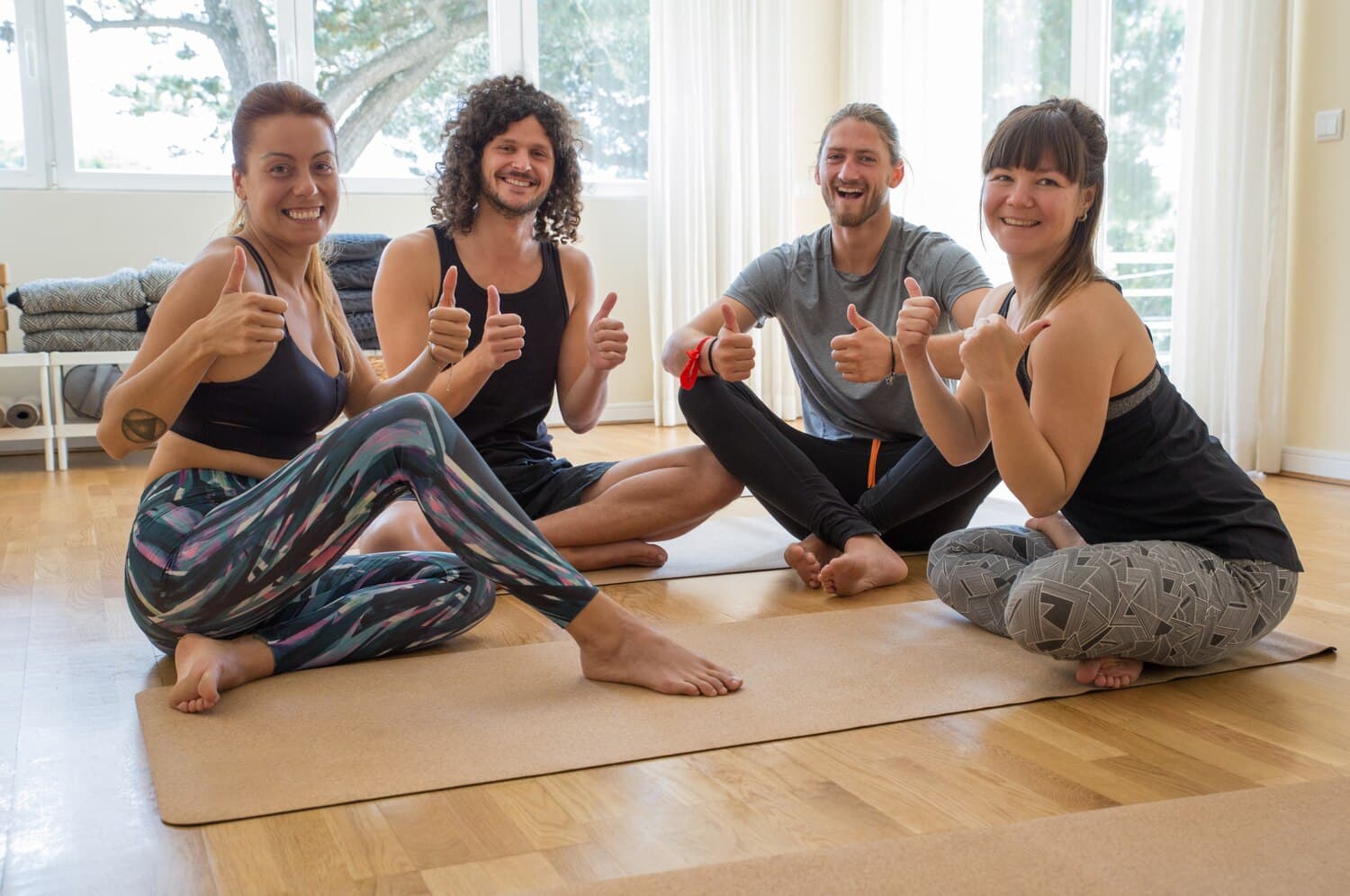
Yoga. Studios function as informal community hubs in many expat-heavy cities — Bali, Lisbon, and Medellín are frequently cited examples — partly because pose names are commonly taught in Sanskrit regardless of the local language, giving everyone in the room a shared reference point.

Padel. The racket sport, which originated in Mexico and became hugely popular in Spain, has expanded fast across Europe, the Gulf, and Latin America in the past few years; the FIP (International Padel Federation) tracks ongoing growth in its annual World Padel Report. It's almost always played in doubles on a small, enclosed court, which forces conversation between points in a way that tennis, with its larger court, doesn't.

Social dance (salsa, bachata, swing). Dedicated social nights — often simply called "socials" — exist specifically so that strangers can ask each other to dance. The lead-and-follow structure is standardized enough that partners who don't share a language can still dance together.

Local sports clubs and amateur leagues. Running clubs, football five-a-sides, and climbing gyms all have a predictable structure (show up, warm up, play) that lowers the pressure of initiating a first conversation.

Tabletop and trading-card games. Local game stores that host Magic: The Gathering or Pokémon nights tend to be welcoming to newcomers, since the game itself gives you something to talk about immediately.

A practical starting checklist

  • Pick one hobby you already know the rules of, rather than trying to learn a new skill and make friends at the same time.
  • Look for a recurring, fixed-schedule session (a weekly class or club night) rather than a one-off event — showing up regularly is what turns strangers into acquaintances.
  • Favor venues used mostly by locals over high-end venues aimed at tourists or other expats, if your goal is to build a local network rather than an expat bubble.
  • Learn a handful of hobby-specific words or customs in the local language (how a draw is offered in chess, how a dance is requested) — small gestures of respect go further than fluency.
  • Give it at least four to six sessions before judging whether it's working; recurring exposure, not one great night, is what builds familiarity and trust.

Sources: Ray Oldenburg, The Great Good Place (1989); Robert D. Putnam, Bowling Alone (2000); FIP World Padel Report.

Related on lync.me: Friendship Apps in 2026: Bumble BFF, Peanut, and Nextdoor Reviewed, Mastering the 'Small Talk': Cultural Nuances from US to Japan, Gardening for Renters: Growing Food on Balconies and Windowsills.

Stay in the loop

Get curated expat insights, local tips, and community highlights delivered to your inbox.