
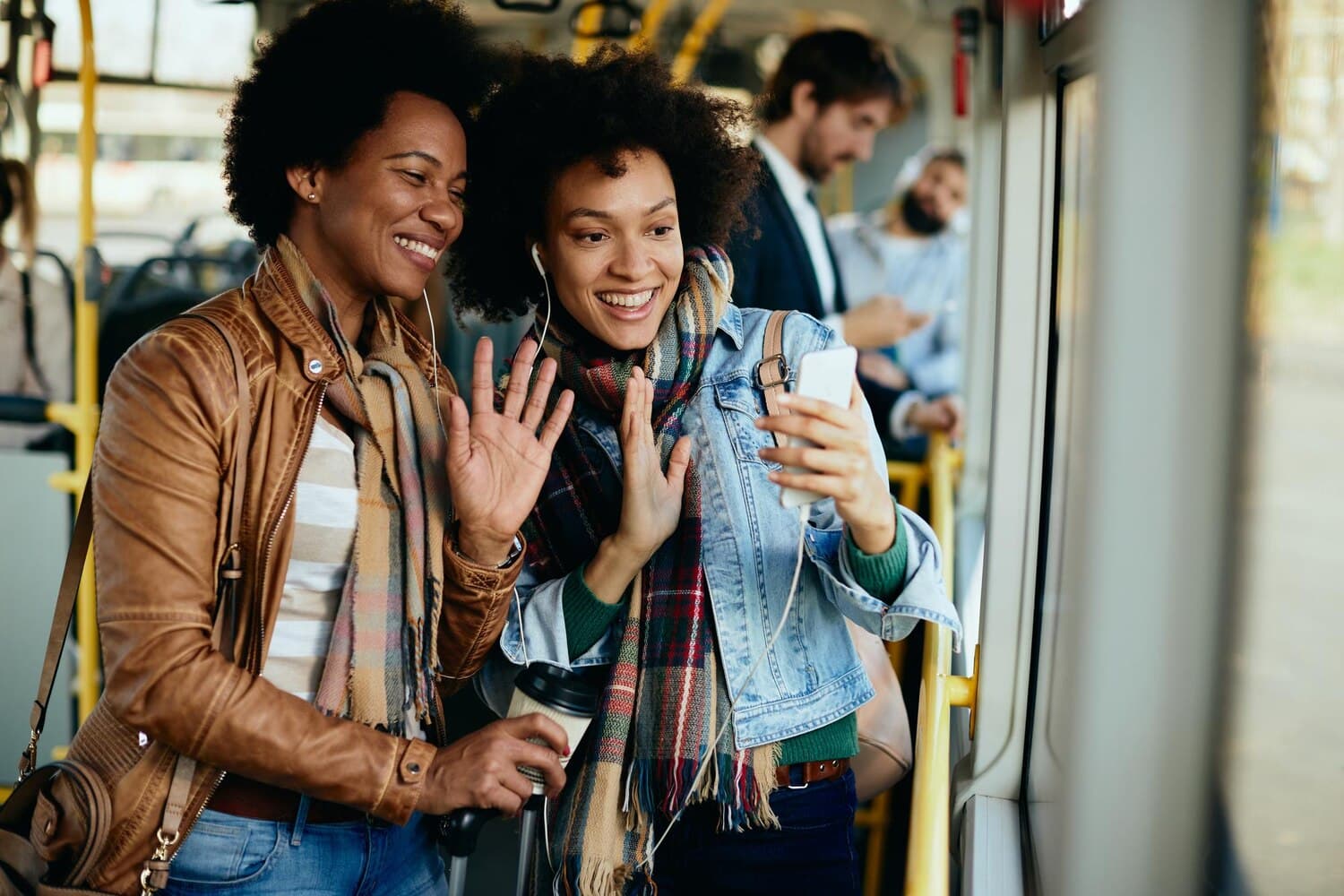
Public Transport Etiquette: Unspoken Rules from Berlin to Tokyo
Public transportation is more than just a logistical network of steel and electricity; it is a profound sociological experiment. Every day, millions of individuals from diverse backgrounds are compressed into confined spaces—trains, buses, and trams—where they must navigate complex social interactions without speaking a word. These interactions are governed by "unspoken rules" or informal social norms that vary drastically from one metropolis to another.
Understanding these norms is crucial for global mobility, social cohesion, and psychological well-being. This article explores the cultural, psychological, and logistical frameworks of public transport etiquette, focusing on two extremes of the spectrum—Berlin and Tokyo—while incorporating data and research from London, New York, and Singapore.
1. The Sociology of Transit: Why Etiquette Matters
Public transport represents what sociologists call a "third space"—a transitional environment between home (first space) and work (second space). Because these spaces are shared by strangers, humans have developed specific behaviors to maintain order and minimize conflict.
The Concept of Civil Inattention
The sociologist Erving Goffman introduced the concept of "Civil Inattention." This is the process by which individuals in public spaces acknowledge each other’s presence without being intrusive. In the context of a crowded subway, civil inattention is the "polite ignoring" of others to preserve their privacy in a space where physical privacy is impossible.
Proxemics: The Science of Personal Space
Edward T. Hall, an anthropologist, coined the term "Proxemics" to describe the study of human use of space. Public transport often forces people into the "Intimate Zone" (0–18 inches), which is usually reserved for close friends and family. Etiquette serves as a psychological buffer to mitigate the stress caused by this physical intrusion.
| Zone | Distance | Context in Public Transit |
|---|---|---|
| Intimate | 0 - 1.5 ft | Forced contact in peak-hour Tokyo/NYC trains. |
| Personal | 1.5 - 4 ft | Standing next to someone on a platform. |
| Social | 4 - 12 ft | Sitting in an uncrowded carriage. |
| Public | 12+ ft | Entering a large station concourse. |
2. Tokyo: The Gold Standard of Collective Silence
Tokyo’s transit system (the Tokyo Metro and JR East) is globally renowned for its punctuality and efficiency. However, the true marvel lies in the behavior of its passengers. In Japan, etiquette is driven by the concept of Meiwaku (annoyance or trouble caused to others).
The Rule of Absolute Silence
In Tokyo, the most significant unspoken (and often spoken via signage) rule is the prohibition of phone calls. While texting is encouraged, speaking on a mobile phone is considered a major social transgression.
- Research Insight: According to a 2024 survey by the Japan Private Railway Association, "noisy conversation and improper behavior" consistently rank as the top grievances among passengers.
- Manner Posters: Tokyo Metro is famous for its "Manner Posters," which use humor and art to educate passengers on keeping their backpacks in front and keeping volume low.
Queueing and Boarding
The boarding process in Tokyo is a choreographed dance. Passengers line up precisely behind floor markings. There is a strict "let them off first" policy. In 2025, AI-integrated sensors in stations like Shinjuku help manage flow, but the human adherence to the queue remains the primary driver of speed.
The "Priority Seat" Paradox
While many Western cultures offer seats to the elderly as a sign of respect, in Tokyo, some elderly passengers may decline a seat to avoid being seen as a "burden" or to avoid making the offerer feel obligated. However, the unspoken rule remains: do not use priority seats unless necessary, and if you do, be prepared to surrender them instantly.
3. Berlin: Directness and Personal Responsibility
Berlin’s public transport system (BVG) reflects the city’s culture: egalitarian, direct, and focused on Eigenverantwortung (personal responsibility).