AD
VocabAI The only app an expat needs • Learn easy
INSTALL

The End of ‘Nur Bar’: Berlin’s Legislative Push for Mandatory Digital Payments

5 min read
0Daily LifeGermany
Daily Life

The persistent “Nur Bar” (Cash Only) sign, long a fixture of Berlin’s gritty aesthetic and a source of frustration for the city’s international workforce, is facing an institutional reckoning. For decades, the German capital has operated on a self-imposed analog friction, where Michelin-starred dining and late-night corner stores (Spätis) alike could legally refuse anything but physical banknotes. However, the Berlin Senate is now moving to align the city with other European capitals by advancing a mandate that would require businesses to accept at least one form of electronic payment.

This shift is not merely a matter of convenience for the roughly 200,000 expatriates living in the city; it represents a fundamental structural change in the Berlin economy. For the professional navigating the city, the move signals the beginning of the end for the “cash-run” culture. The Berlin state government, led by the current CDU-SPD coalition, has formally signaled its intent to implement these requirements, viewing digital payment options as a cornerstone of a modern, “smart” metropolis. By 2026, the legislative framework is projected to be fully operational, marking a transition from a cash-preferring society to one where digital acceptance is a baseline regulatory requirement.
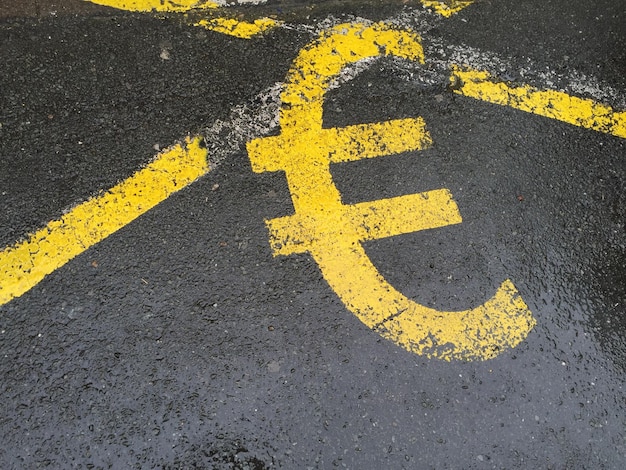
berlin cash sign

The Institutional Driver: Transparency and Tax Compliance

While the public debate often centers on consumer convenience, the underlying institutional motivation is economic transparency. The German Ministry of Finance and the Berlin Senate are increasingly focused on reducing the “shadow economy.” Cash-only businesses have historically presented a higher risk for under-reporting revenue, a practice known locally as Schwarzarbeit or tax evasion through unrecorded transactions.
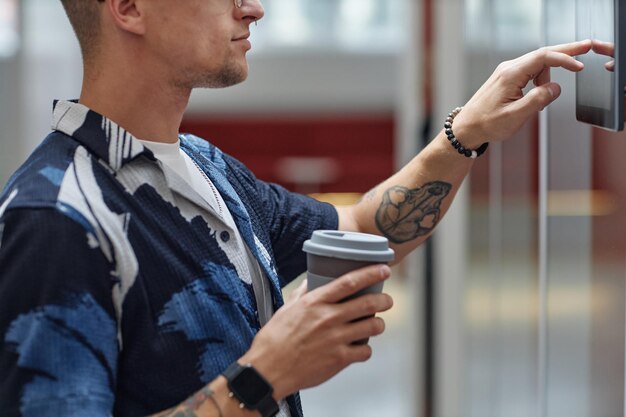

The introduction of the KassenSichV (Cash Security Ordinance) in recent years already required businesses to use tamper-proof technical security systems (TSE) for digital records. A mandate for digital payment acceptance is the logical next step in this sequence. By ensuring that every transaction can be processed electronically, the state increases the auditability of the retail and hospitality sectors. For business owners, this means higher compliance costs; for the expat professional, it means a more transparent marketplace where the “discount for cash” (often a sign of tax avoidance) will likely disappear.

The ‘Girocard’ Trap: A Critical Nuance for Foreigners

One of the most significant misunderstandings for newcomers is the definition of “card payment” in a German context. Even as Berlin businesses begin to adopt digital options, there remains a stark divide between the domestic Girocard system (formerly known as EC-Karte) and international credit networks like Visa, Mastercard, or American Express.

contactless terminal berlin

Legislative discussions in Berlin currently focus on “at least one digital payment method.” This is a crucial distinction. A business may technically fulfill the requirement by accepting only the German Girocard, which is tied to local bank accounts. Many international digital-only banks or foreign credit cards may still be rejected at the point of sale. Informed professionals must recognize that “digital acceptance” does not equate to “universal acceptance.” Until the mandate specifically addresses interchange fees and multi-network acceptance, carrying a locally issued Girocard or a backup debit card with V-Pay or Maestro functionality remains a necessity for navigating the city’s smaller establishments without friction.

Cultural Resistance and the Privacy Argument

The resistance to this mandate is not merely technical; it is deeply cultural. Germany’s historical experience with surveillance—under both the Stasi and the National Socialist regime—has left a lasting imprint on the collective psyche regarding financial privacy. Cash is viewed by many Berliners as “coined freedom” (geprägte Freiheit), a way to transact without a digital trail.

This cultural preference explains why, as of 2024, cash still accounts for a significantly higher percentage of point-of-sale transactions in Germany compared to the UK, Sweden, or the Netherlands. Business owners often cite high transaction fees (disproportionately affecting low-margin Spätis) and the “slow” nature of digital processing at peak times as reasons for their reluctance. However, the economic reality is shifting. The cost of handling cash—including insurance, transport, and the time required for manual reconciliation—is rising, and the Berlin Senate is banking on the fact that the younger, more international population will no longer tolerate the exclusion of digital users.

modern berlin cafe

Practical Implications for 2026 and Beyond

As the city moves toward a projected 2026 implementation of universal digital payment options, professionals should recalibrate their expectations and habits. The transition will likely be uneven. While major retailers and high-end restaurants already lead the way, the enforcement of these rules in Berlin’s sprawling network of small bars (Kneipen) and street food vendors will be the true test of the policy.

For the expat, the risk of being stranded without a way to pay is decreasing, but the “digital-only” lifestyle remains a few years away. The most salient advice for the coming period is to maintain a dual-track payment strategy. While you can expect to use your phone or watch for most daily transactions, the “Berlin backup”—a €20 note tucked into a phone case—remains the only 100% reliable insurance policy against the city’s lingering analog pockets.

The legislative shift is an admission that Berlin can no longer afford to be a digital outlier if it wishes to attract and retain global talent. It is a transition from a culture of “payment by permission” to one of “payment by right,” and while it may erode some of the city's old-world, off-the-grid charm, it is an inevitable step toward the economic integration of the capital into the wider European digital market.

Subscribe to Our Newsletter

Welcome to our newsletter hub, where we bring you the latest happenings, exclusive content, and behind-the-scenes insights.

*Your information will never be shared with third parties, and you can unsubscribe from our updates at any time.

Comments

0/2000