Industrial Friction at 30,000 Feet: Navigating the Lufthansa Pilot Strikes and the Shift in Passenger Rights

The silence in the terminals of Frankfurt and Munich this Thursday serves as a stark reminder of the fragile peace between Germany’s flagship carrier and its flight deck crews. As hundreds of Lufthansa flights are grounded due to a walkout by the Vereinigung Cockpit (VC) union, the disruption is not merely a logistical hurdle for the tens of thousands of displaced passengers; it is a manifestation of a deepened structural tension within the 2026 European labor market. For the professional expat and the frequent business traveler, this strike represents a critical intersection of German collective bargaining culture, evolving EU consumer law, and the hard realities of post-inflationary wage demands.
The current industrial action centers on a fundamental disagreement regarding salary scales and the protection of cockpit jobs against the expansion of lower-cost subsidiaries. In the 2026 fiscal landscape, where pilot shortages have reached a critical threshold across the Eurozone, the leverage held by unions has intensified. Lufthansa’s management, facing projected operational costs that continue to outpace regional competitors, has sought flexibility that the VC union views as an existential threat to seniority-based career paths. This is not a spontaneous eruption but the culmination of a multi-month breakdown in negotiations that reflects a broader trend in German industrial relations: a move away from the traditional 'Social Partnership' toward more confrontational, Anglo-Saxon-style labor disputes.
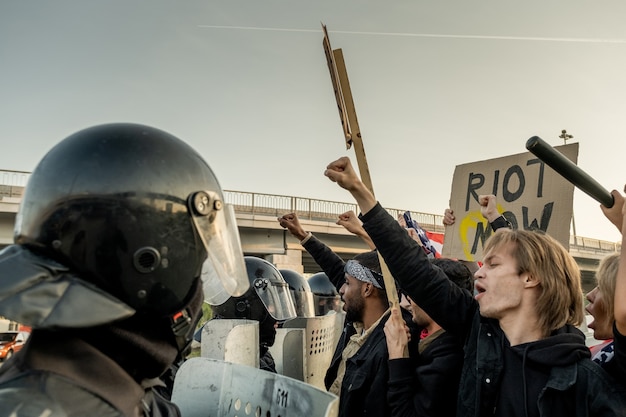
For the informed traveler, the distinction between this strike and a general air traffic control walkout is legally paramount. Under the current interpretation of EU Regulation 261, which has been further solidified by European Court of Justice rulings through 2026, an internal strike by an airline’s own staff is no longer considered an 'extraordinary circumstance.' Unlike a strike by airport security or weather-related grounding, a pilot walkout is deemed an inherent part of an airline's normal activity. This means that, in addition to the mandatory duty of care—which includes meals, communication, and hotel accommodation—passengers on cancelled flights are likely entitled to fixed-rate financial compensation ranging from €250 to €600, depending on flight distance. Navigating this requires immediate documentation; the airline’s 'strike' notification is, in itself, an admission of a controllable operational failure.
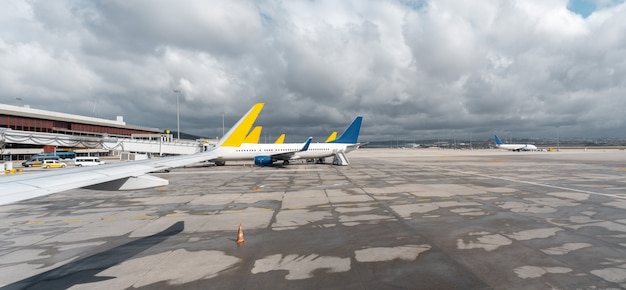
However, the logistical reality often diverges from the regulatory ideal. As Munich and Frankfurt hubs reach capacity with grounded aircraft, the rebooking systems are being pushed to their limits. The 2026 aviation environment is characterized by high load factors, meaning there are few empty seats on alternative carriers to absorb the overflow. Travelers should be aware that Lufthansa is legally obligated to re-route passengers at the earliest opportunity, even if that involves booking seats on competing alliances or utilizing the Deutsche Bahn 'Rail & Fly' network for domestic segments. Waiting for a Lufthansa-only solution is a common error; the law requires the carrier to seek the fastest path to the destination, regardless of the competing airline's brand.

Beyond the immediate inconvenience, this strike highlights the 'Hub Risk' inherent in German professional life. Professionals relying on the 'Lufthansa Group' ecosystem—which includes Swiss, Austrian, and Brussels Airlines—must recognize that while these subsidiaries may not be on strike, the interconnected nature of their hub-and-spoke scheduling means that a disruption in Frankfurt frequently triggers a cascade of delays across the entire network. The 2026 economic data indicates a shift in corporate travel behavior, with a measurable increase in 'buffer day' scheduling for critical cross-border meetings, acknowledging that the reliability of German transit infrastructure is no longer an absolute guarantee.
The mental model for the modern expat must shift from viewing these events as 'bad luck' to viewing them as predictable cycles of the German labor economy. Every few years, the renegotiation of the 'Manteltarifvertrag' (framework collective agreement) will likely result in similar friction. To mitigate risk, professionals should prioritize tickets that allow for interlining and maintain a clear understanding of their rights before they reach the check-in desk. The coming days will likely see a return to the negotiating table, but the precedent set here—where pilots are willing to ground the fleet to protect the 2026 wage standard—suggests that the era of low-friction travel in Central Europe has entered a period of sustained volatility.
Related Stories

London's ULEZ and Congestion Charge: Price Updates for 2026

Buying a Used Car: Checking ULEZ Compliance for 2026 Expansions

Gothenburg's 'Västlänken' Project: Traffic Disruptions Expected in 2026


Comments