
The 2026 Global Mobility Audit: High-Stakes Relocation Strategies for Germany, the US, and the Netherlands

The era of the 'accidental expat' has effectively ended. As we approach 2026, the intersection of tightening housing markets, digitized immigration portals, and specialized insurance mandates has transformed cross-border relocation into a precision exercise. For the professional navigating the corridor between North America and the Eurozone, the margin for administrative error has narrowed to nearly zero. Success in this environment is no longer about finding a role; it is about auditing the structural shifts in regional labor markets and the specialized digital tools, such as the portal known as www ecsc expat sy, which have become the gatekeepers of modern mobility.

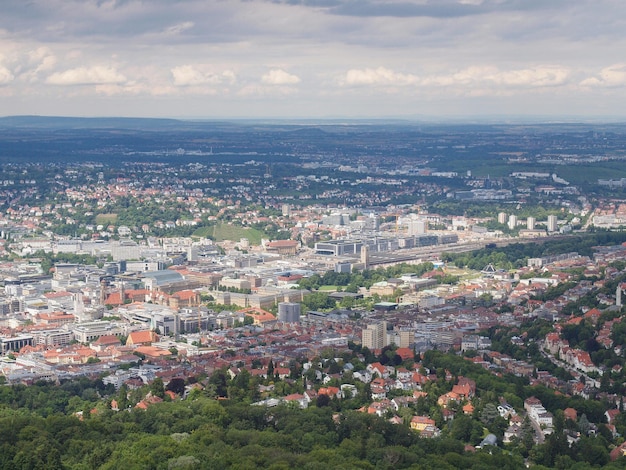
In Germany, the narrative for 2026 is defined by the full-scale implementation of the updated Skilled Immigration Act. For expats deutschland represents a landscape of paradox: record-level labor shortages in technical sectors paired with a bureaucratic apparatus that is only beginning to digitize. The industrial hubs of the south are feeling this most acutely. For stuttgart expats, the challenge is no longer just securing a contract with a Tier-1 automotive supplier, but navigating the 'Priority Check' system which is projected to be fully automated by mid-2026. This automation is expected to prioritize applicants who utilize verified digital credentials, moving away from the paper-heavy processes that previously defined German residency applications.
Finding expat jobs in this climate requires a shift from generalist boards to specialized ecosystems. The rise of expatly and similar niche platforms reflects a move toward curated talent matching where visa sponsorship is pre-vetted. This is particularly relevant for those looking at the German market, where expats in deutschland are increasingly expected to demonstrate 'pre-integration'—a baseline of linguistic and cultural competency—before their boots hit the ground at BER or Frankfurt Airport. The projected 2026 labor data suggests that while demand for software engineers remains high, the largest growth in visa approvals is expected in green energy transition roles and healthcare management.
Risk mitigation in 2026 has also moved into the realm of 'infinity' coverage. The standard travel insurance of a decade ago is insufficient for the modern professional. Specialized products like bdae expat infinity have become the benchmark for long-term health security, offering a bridge between the rigid public systems and the often-volatile private market. Similarly, the role of specialized consultancies like mw expat has evolved from simple tax advice to comprehensive 'life-cycle management' for the household. Professionals are realizing that the cost of an improperly filed 'Steuernummer' or a gap in health coverage far outweighs the fees of expert intervention.

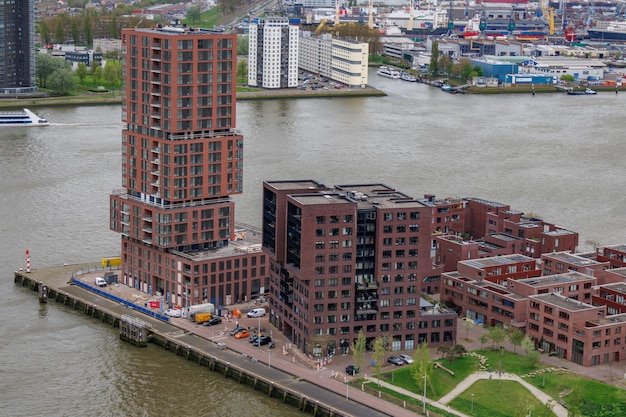
The Dutch market presents a different, more localized set of hurdles, specifically regarding the 'huurwoning' or rental housing. In the Randstad area, the search for a huurwoning expat rotterdam has become an investigative process. By 2026, Dutch housing regulations are scheduled to enforce stricter energy efficiency ratings (labels A and B) on all rental properties, which is expected to further constrict the supply of available units in historical city centers. Expats must be prepared for a market where the 'viewing' is a competitive interview, and where proof of '3x rent' in gross income is a non-negotiable threshold monitored by digital fiscal tracking systems.
Across the Atlantic, the expat usa experience is being recalibrated by shifting H-1B and L-1 visa caps. As we look toward the 2026 fiscal year, the USCIS is expected to refine the lottery system to favor advanced degree holders in 'critical and emerging technologies.' For the professional moving to the US, the complexity lies in the tax-treaty nuances—ensuring that global income is not double-taxed while maintaining a compliant 'substantial presence' status. The US remains the highest-reward market for executive compensation, but the 2026 regulatory environment demands a proactive approach to fiscal presence that was once reserved only for the ultra-wealthy.
The mental model for the next year must be one of 'compliance as a competitive advantage.' Whether you are accessing administrative records through www ecsc expat sy or negotiating a relocation package in Stuttgart, the winners will be those who treat their mobility as a business entity. This requires a deep dive into the local nuances of the 'Huurwoning' market in Rotterdam just as much as an understanding of the 2026 tax projections in the US. Naïveté regarding local regulations is the most expensive mistake a professional can make in the current global economy.


Comments