Beyond the Terminal: The Shifting Definition and Digital Bureaucracy of the Global Expat in 2026

5 min read
0ImmigrationGermany
Immigration

The question "was ist ein expat" used to be answered with a simple reference to a corporate relocation package. In 2026, the answer has fractured. For a software engineer in Hannover, it is a matter of tax residency and integration; for a displaced professional navigating the ecsc-expat.sy portal, it is a high-stakes digital lifeline to a distant bureaucracy. The term has evolved from a synonym for privileged mobility into a complex legal and economic classification that dictates a professional's trajectory through the global labor market.

In Germany, the debate over the "expats bedeutung" (meaning of expats) has moved from linguistics to labor policy. As the 2026 demographic shift intensifies, regional hubs like Hannover have become testing grounds for the 'Chancenkarte' or Opportunity Card. For the professional navigating the expat Hannover scene, the reality is no longer just about finding an English-speaking social circle. It is about navigating a dual-track system where the German Federal Employment Agency (Bundesagentur für Arbeit) has streamlined entry for technical specialists while tightening the requirements for social integration and language proficiency.

To understand the current climate, one must look at how "expats deutsch" context differs from the traditional Anglo-American model. In Germany, the "expats definition" is increasingly tied to the 'Blue Card' salary thresholds, which are projected to see a significant adjustment in late 2026 to account for inflationary pressures in the Eurozone. Professionals who fail to distinguish between being a 'migrant' and an 'expat' in the eyes of local tax authorities often find themselves caught in a net of unforeseen social security contributions that can eat up to 42% of a gross salary if not structured correctly through the first three years of residency.

The Digital Consulate: High-Stakes Bureaucracy

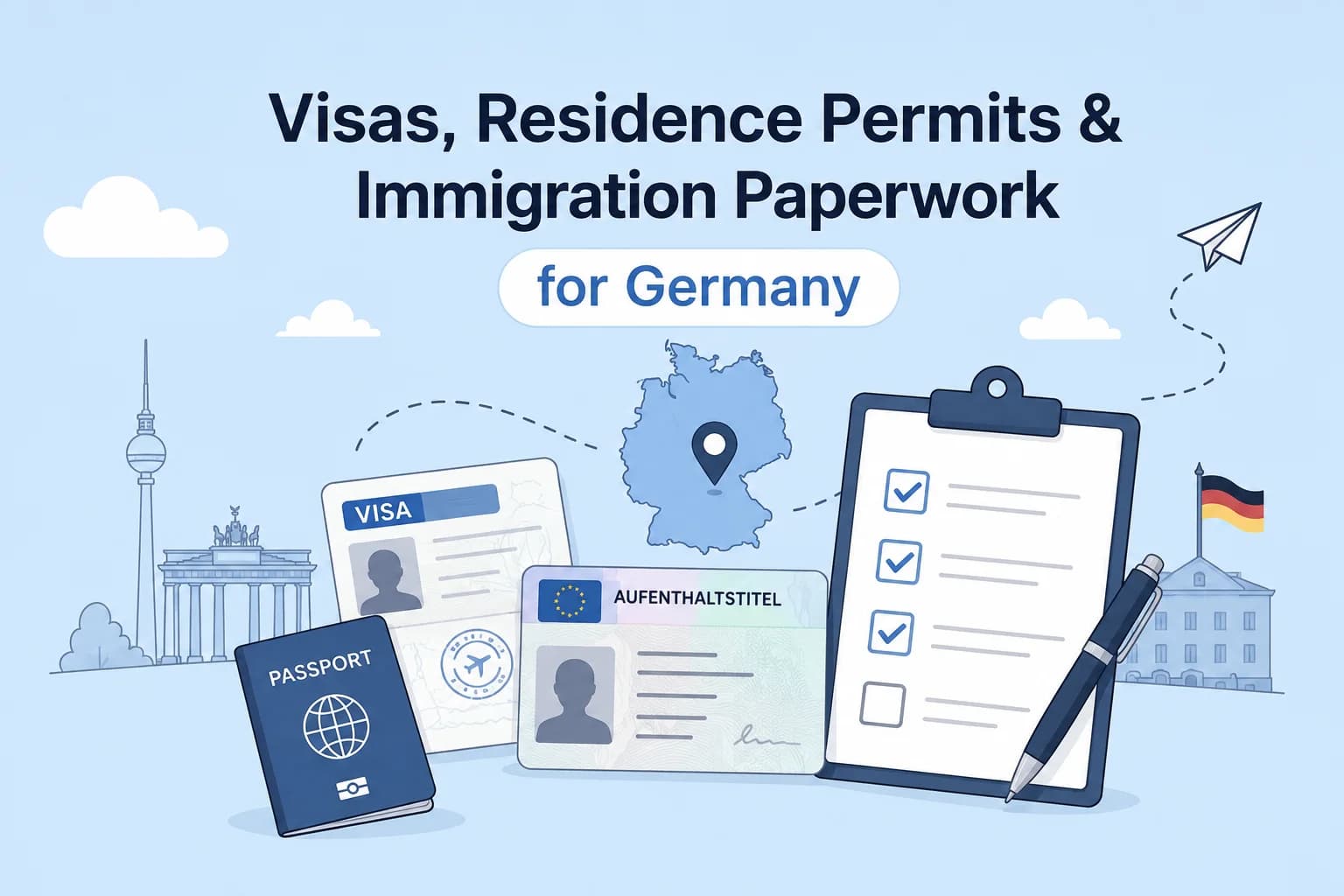
While European mobility focuses on integration, other corridors of the expat experience are defined by administrative survival. The platform ecsc-expat.sy—the Electronic Consular Services Center for Syrian nationals—represents the new frontier of "The Expat" experience in a digitized, yet politically fragmented world. For the Syrian professional abroad, this portal is not a mere convenience; it is the sole mechanism for passport renewals, civil status registrations, and power of attorney documents.

By 2026, the reliance on such digital portals has highlighted a growing divide in global mobility. While a professional in Hannover might worry about the local 'Anmeldung,' the user of ecsc-expat.sy is managing the legal existence of their identity across borders where physical consulate access is restricted. The risk here is data integrity and the legal weight of digital stamps. For an informed professional, understanding the institutional signals from the Syrian Ministry of Foreign Affairs is critical; any scheduled maintenance or policy shift on the portal can effectively freeze an expat's ability to travel or prove their credentials for foreign work permits.

The Malaysian Pivot: Labor Market Realities

Turning toward Southeast Asia, the question of "how hard for expats to get job in malaysia" has met a new set of economic constraints. In 2026, the Malaysian government is expected to complete its review of the Employment Pass (EP) categories under the Expatriate Services Division (ESD). The days of the mid-tier generalist are largely over. The market is now strictly bifurcated: high-demand digital roles in the tech hubs of Cyberjaya and specialized industrial roles in Penang remain accessible, but general management roles are increasingly reserved for the local talent pool under the "Malaysians First" policy framework.

Professional seekers must recognize that the difficulty of securing a role is no longer just about the interview; it is about the employer's ability to justify the "expat" hire to the Ministry of Home Affairs. In 2026, the projected wait times for EP Category II and III applications have stabilized, but the scrutiny of educational credentials and the 'dependency ratio' (the number of locals an employer must hire for every expat) has become more rigid. Naïveté regarding these quotas is the primary reason for offer withdrawals in the current Malaysian market.

Recalibrating the Mental Model

What are "was sind expats" in this fragmented landscape? They are no longer a monolithic group. The modern professional must move beyond the "expats definition" found in 20th-century sociology and adopt a model based on administrative agility.

  • In Germany: Focus on the legal distinction between a specialized professional and a general job seeker. The 'expat Hannover' experience is defined by the intersection of high-tech industry and the rigid local 'Ausländerbehörde' (foreigners' office) requirements.
  • In Digital Consular Spaces: Recognize that your legal status is increasingly tied to platforms like ecsc-expat.sy. Digital literacy in your home country's administrative portals is now as important as your professional skill set.
  • In Emerging Markets: Like Malaysia, the barrier to entry is institutional. The "difficulty" of the job search is a reflection of national economic protectionism, not a lack of opportunities.

To avoid risk, the contemporary expat must look past the glossy brochures of "global living" and investigate the legislative and digital infrastructure of their target destination. The year 2026 marks the end of the era where 'the expat' was a guest; today, they are a digital and legal entity that must be managed with the same precision as a corporate balance sheet.

Comments

0/2000

STAY CONNECTED WITH THE EXPAT COMMUNITY

Subscribe to get expat tips, local insights, and connect with professionals around the world.