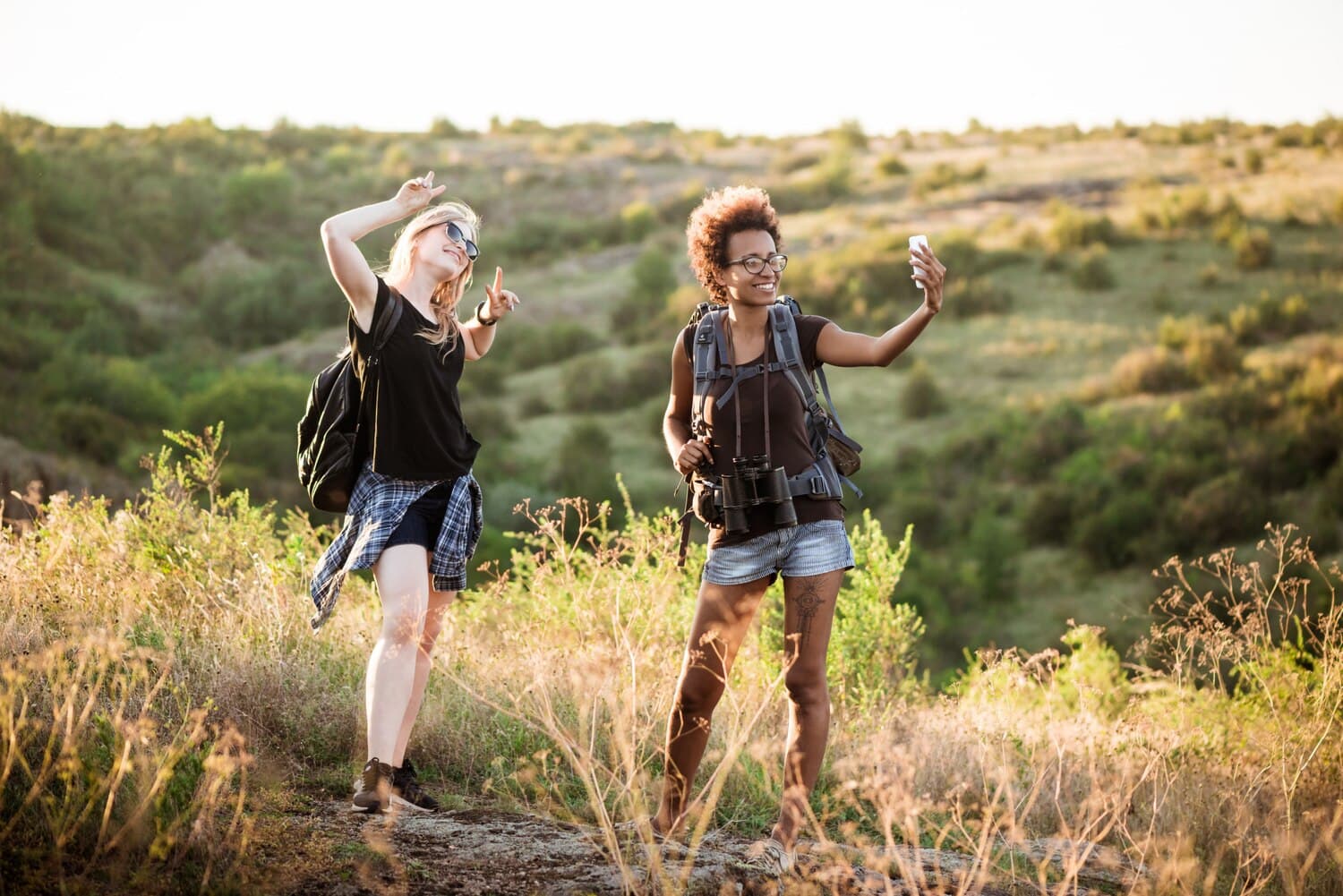
Allemansrätten: A Guide to Sweden's 'Right to Roam' for Expats

8 min read
Travel ExplorationSweden
Allemansrätten: A Guide to Sweden's 'Right to Roam' for Expats
Travel Explorationswedenexpattravel

When I first moved to Sweden, one of the most baffling and beautiful things I encountered wasn't the baffling-but-beautiful IKEA furniture assembly, but something far more profound. I saw a family having a picnic in a meadow that seemed, to my foreign eyes, to be part of someone’s farm. Later, I saw hikers striding confidently through a forest just a stone's throw from a countryside cottage. Nobody called the police. Nobody even seemed to notice.

Welcome to the heart of the Swedish outdoor ethos: Allemansrätten, or the 'Right of Public Access'. This isn't just a quaint custom; it's a right protected by the Swedish constitution, granting everyone the freedom to roam the countryside. But for us expats, it can feel like a cultural minefield. It’s a freedom that comes with immense responsibility. So, let's break down what this unique right really means for you, how to enjoy it respectfully, and how to avoid being that expat who accidentally camps in someone's backyard.

What Exactly Is Allemansrätten?

At its core, Allemansrätten is the right to walk, cycle, ride, ski, and camp on any land—with a few crucial exceptions. It's built on a simple yet powerful principle: Inte störa, inte förstöra (Do not disturb, do not destroy). This isn't a free-for-all pass to do whatever you want. Think of it as being a guest in nature's home, which might also happen to be someone else's property.

Unlike a formal law with black-and-white rules, Allemansrätten is more of a deeply ingrained social contract. It’s a testament to the Swedish values of trust, respect, and a deep, almost spiritual connection to the outdoors, known as friluftsliv (open-air life). Understanding this cultural context is the first step to truly appreciating the freedom it offers.

The Golden Rule: Respecting People and Nature

The "Do not disturb, do not destroy" mantra is your compass for navigating Allemansrätten. Let's break down its two key components.

Respect for People: The "Home Zone"

You cannot just wander into someone’s garden. Every dwelling, whether it's a permanent home or a summer cottage (sommarstuga), has a private area around it called a hemfridszon, or "home peace zone." There's no specific measurement for this zone, but the rule of thumb is to stay out of sight and earshot of the house. You should not be able to look into their windows, and they shouldn't feel like their privacy is being invaded. This means you can't pitch a tent, have a picnic, or even walk right next to a private residence.

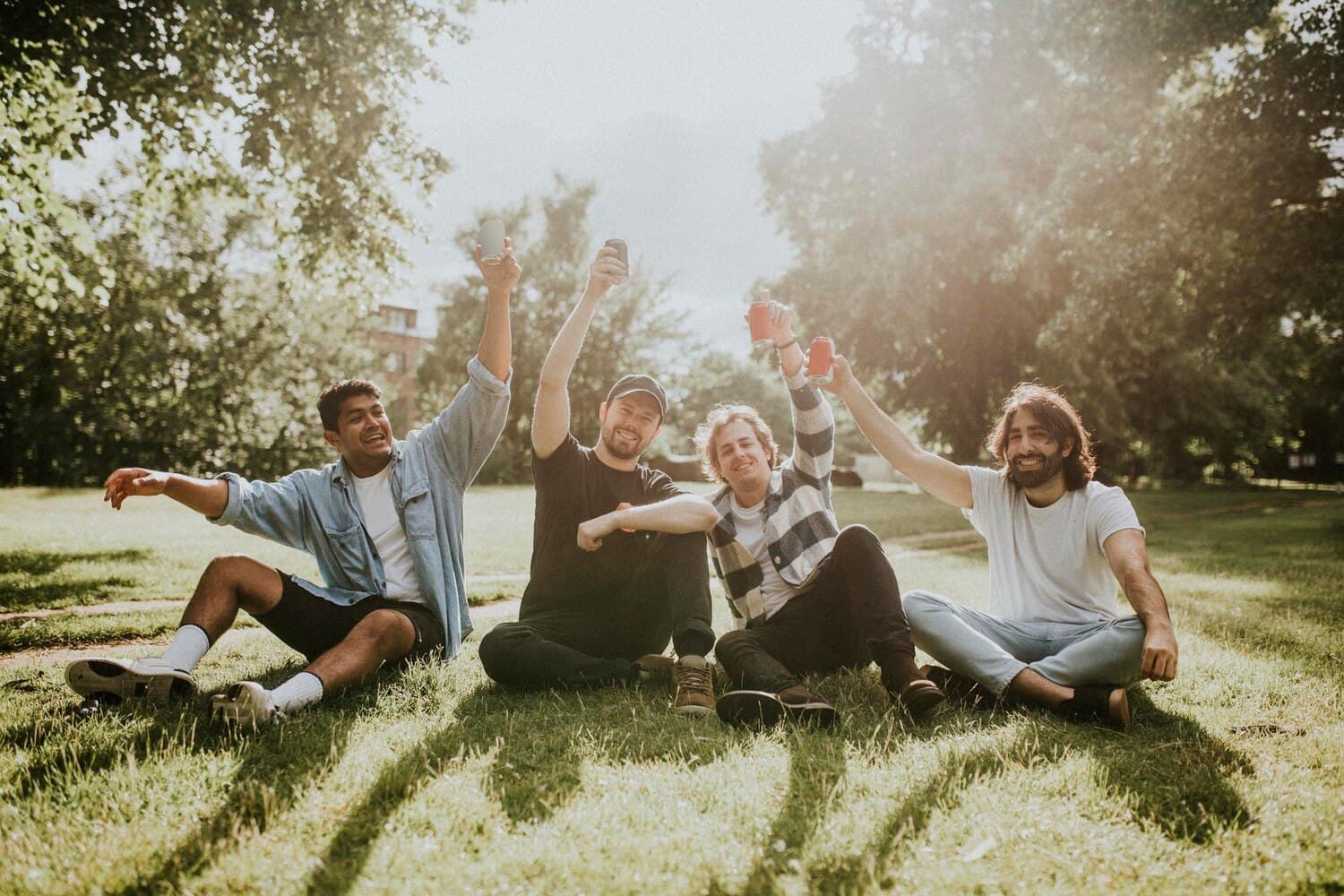
Respect for Nature: Leave No Trace

This is universal outdoor etiquette, but it’s paramount in Sweden.

  • Take It With You: Whatever you bring into nature, you must bring out. This includes every last piece of food packaging, bottle caps, and even biodegradable things like orange peels, which can take years to decompose in the Nordic climate.
  • Protect Wildlife and Vegetation: Don’t break branches off living trees, disturb nesting birds, or damage sensitive moss and lichen, which can take decades to recover. Walk around, not over, cultivated fields or tree plantations.

Your Allemansrätten Toolkit: What You CAN Do

This is where the magic happens. Once you understand the core principles, a world of possibilities opens up.

Walking, Hiking, and Skiing

You have the right to access almost any land for recreation. This includes forests, fields, and shorelines, even if they are privately owned. The main exceptions are:

  • Private gardens and the hemfridszon.
  • Cultivated land with growing crops, which could be damaged. You can, however, cross fields in winter when they are covered in snow.
  • Land specifically signposted as off-limits for military or other official purposes.

Camping: The Famous One-Night Rule

Wild camping is one of the greatest gifts of Allemansrätten. You are generally allowed to pitch a tent for a night or two in the countryside.

  • Find a good spot: Choose durable ground and make sure you are far away from any houses.
  • Small groups are key: This right is intended for individuals or small groups. If you're a large group, you absolutely must get the landowner's permission.
  • Move on: After a night or two, you should move to a new spot to minimize your impact on the area.
  • Campervans and Caravans: Be aware that Allemansrätten does not grant the same rights to motorized vehicles. You cannot simply drive your campervan into the forest. You must stick to roads and use designated parking spots or campsites.

Foraging for Nature's Bounty

Sweden's forests are a free-for-all pantry, and you're invited! You are allowed to pick wild berries, mushrooms, and flowers. This is why you'll see Swedes of all ages disappear into the woods with baskets in late summer.

  • What you can pick: Blueberries (blåbär), lingonberries (lingon), cloudberries (hjortron—though local customs in the north can be protective), and mushrooms like chanterelles (kantareller) are all fair game.
  • What you cannot pick: Never take anything from someone's garden. It's also illegal to pick protected species. The Swedish Environmental Protection Agency (Naturvårdsverket) has lists of these, but a good rule of thumb is if it looks rare and beautiful, leave it be. You also can't take nuts or fell trees.

Making a Fire

A campfire is a quintessential part of the outdoor experience, but it comes with strict rules.

  • Safety first: Only make a fire where there is no risk of it spreading. Gravel or sandy ground is best. Never light a fire directly on or next to rock faces, as they can crack and be permanently scarred.
  • Use existing fire pits: Whenever possible, use a designated fire pit.
  • Check for fire bans (eldningsförbud): This is non-negotiable. During dry periods, especially from April to September, local municipalities (kommuner) often issue total fire bans. Lighting a fire during a ban can result in hefty fines. You can check the current status on your local kommun's website or by using the app "Brandrisk Ute" from the Swedish Civil Contingencies Agency (MSB).

The Boundaries: A Clear Guide to Do's and Don'ts

To make it crystal clear, here’s a quick reference table.

Activity Do ✔️ Don't ❌
Access Walk, ski, or cycle through forests and uncultivated fields, even on private land. Enter a private garden, yard, or cross a field with growing crops.
Camping Pitch a small tent for one or two nights, far from any houses. Camp near a dwelling, in a large group without permission, or for an extended period.
Fires Use a designated fire pit or a safe, non-damaging spot. Always extinguish it completely. Make a fire on bare rock, during a fire ban, or leave it unattended.
Foraging Pick wild berries, mushrooms, and non-protected flowers for your own use. Pick from private gardens, take protected species, or harvest for commercial purposes without permission.
Waste Pack out absolutely everything you pack in. Leave the spot cleaner than you found it. Leave any trash, food scraps, or toilet paper behind.
Dogs Keep your dog on a leash, especially from March 1 to August 20, to protect wildlife. Let your dog run free and disturb animals, birds, or other people.
Vehicles Drive on designated private roads if not otherwise signposted. Park in designated areas. Drive off-road. This is a common and serious mistake for visitors with campervans.

It's also crucial to remember that National Parks and Nature Reserves often have their own specific, stricter regulations that override the general rules of Allemansrätten. Always check the information boards at the entrance to these protected areas. For example, camping might be restricted to designated spots only, or dogs may not be allowed at all.

Allemansrätten in a Modern (2025) Sweden

As an expat, you're experiencing a Sweden that is navigating the pressures of modernity on this ancient right. The rise of international tourism and the "van life" phenomenon has put a strain on popular areas. You might hear Swedes quietly grumble about campervans improperly parked or tourists leaving trash behind.

This is why your role as a knowledgeable and respectful user of Allemansrätten is so important. By understanding and following the principles, you're not just following the rules; you're actively participating in and preserving a cherished part of Swedish culture. You become an ambassador for responsible outdoor life.

The Takeaway: It's a Privilege, Not a Right to Misuse

Allemansrätten is one of the most incredible perks of living in Sweden. It’s an invitation to connect with the stunning natural landscape in a way that is unimaginable in many other countries. It gives you the freedom to have a spontaneous forest picnic after work, to go for a swim in a deserted lake you stumbled upon, or to wake up in a tent with nothing but the sound of birds and the wind in the pines.

But this freedom is entirely dependent on a collective sense of responsibility. It's a privilege disguised as a right. So before you head out, do a quick check for local fire bans, pack an extra bag for your rubbish, and embrace the spirit of inte störa, inte förstöra. By doing so, you'll not only enjoy the best of what Swedish nature has to offer but also earn the quiet respect of your new Swedish neighbours. Now, go and roam—responsibly.

Subscribe to Our Newsletter

Welcome to our newsletter hub, where we bring you the latest happenings, exclusive content, and behind-the-scenes insights.

*Your information will never be shared with third parties, and you can unsubscribe from our updates at any time.