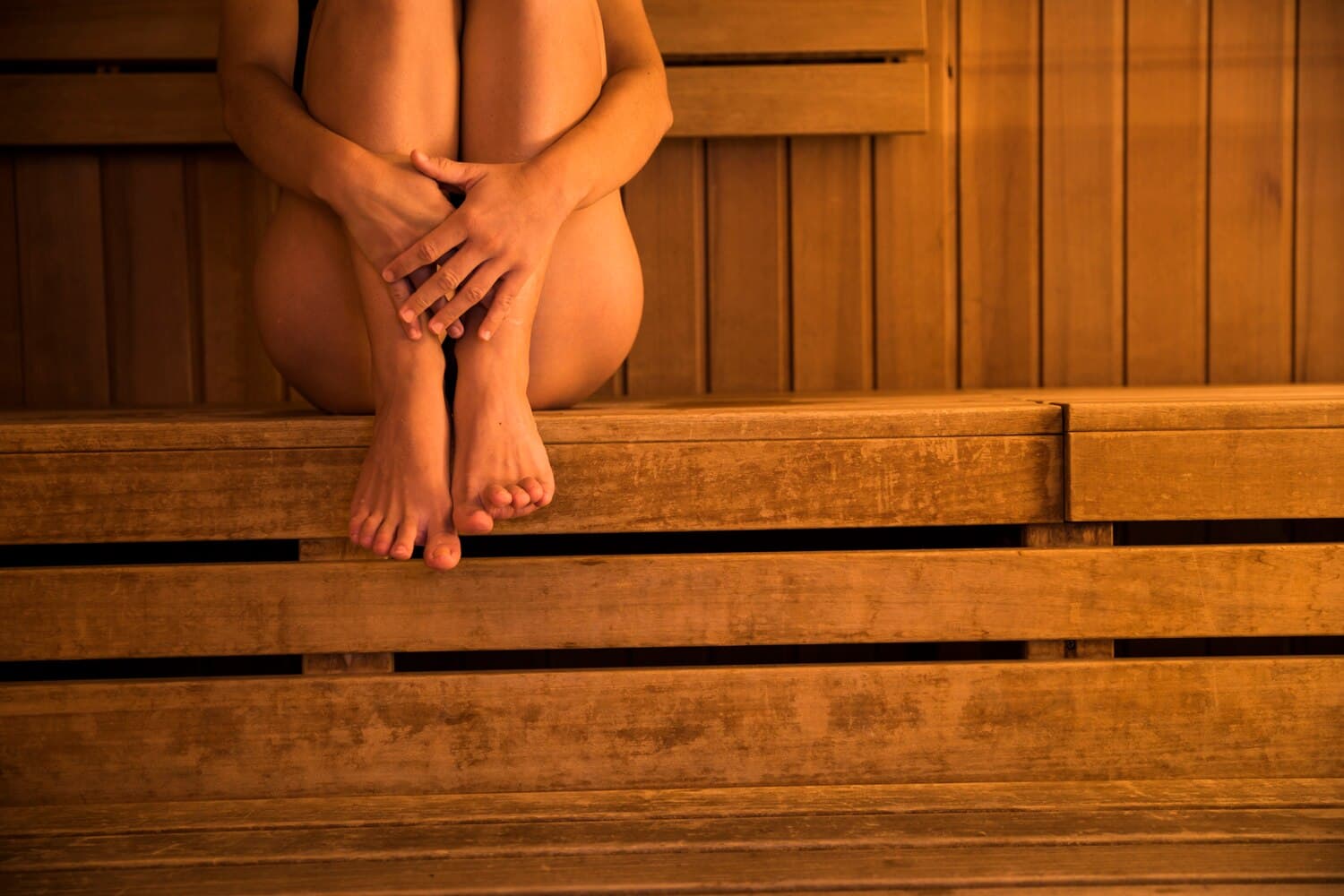
When you first move to Estonia, you’ll notice it almost immediately. It’s a quiet hum in the background of conversations, a weekend plan mentioned with a knowing smile, an essential part of the national identity tucked away in lakeside cabins and city apartment buildings. I’m talking about the saun. And let me tell you, this isn’t just about getting clean. The Estonian sauna is a deep-rooted ritual, a social institution, and a place of almost spiritual significance.
As an expat, my first invitation to a sauna felt like a cultural rite of passage. I was a mix of excited and nervous, armed with a dozen questions. Do I wear a swimsuit? What’s with the leafy branches? How hot is too hot? If you're feeling the same way, don't worry. This guide is your key to unlocking one of the most authentic and rewarding experiences you can have in Estonia. Forget the sterile, silent spas you might be used to; we’re diving into the warm, steamy heart of Estonian culture.
More Than Just a Hot Room: The Soul of the Estonian Sauna
First things first: in Estonia, the sauna is not a luxury; it's a fundamental part of life. Historically, it was a sterile place where births happened, bodies were prepared for burial, and illnesses were cured. Today, it’s where families bond, friends catch up, and even important business deals are informally sealed. It’s a space for physical and mental purification, where the stress of the outside world melts away with the sweat.
Understanding this context is crucial. When an Estonian friend invites you to their family sauna, it's a genuine gesture of hospitality and inclusion. They are sharing a piece of their heritage with you. The experience is less about quiet meditation and more about relaxed conversation, connection, and rejuvenation.
Decoding the Lingo: Your Essential Sauna Vocabulary
Before you step into the heat, learning a few key terms will make you feel right at home. Estonians will be genuinely impressed if you know your leil from your viht.
| Estonian Term | Pronunciation | Meaning & Significance |
|---|---|---|
| Leil | (lay-l) | This is the soul of the sauna. It’s the hot, enveloping steam created by tossing water onto the heated stones (keris). It’s not just steam; it’s considered the spirit of the sauna, cleansing the body and mind. |
| Viht | (vee-ht) | A bundle of fresh, leafy tree branches (usually birch or oak) used for gently whisking your skin. Don't be alarmed! It’s not punitive; it’s a leafy massage that improves circulation, opens pores, and releases an incredible, fresh aroma. |
| Suitsusaun | (soo-it-soo-sa-oon) | The traditional smoke sauna, a unique and ancient practice primarily found in Southern Estonia. It has no chimney, so the smoke from the fire heats the room and is then let out before people enter. It has a distinctive, gentle heat and a rich, smoky scent. This tradition is so vital it's on UNESCO's list of Intangible Cultural Heritage. |
| Leiliruum | (lay-lee-room) | The main hot room of the sauna. |
| Istumisalune | (is-too-mis-ah-loo-neh) | A small personal towel or wooden mat to sit on. This is a non-negotiable for hygiene reasons. |
The Ritual: A Step-by-Step Guide for Beginners
The Estonian sauna experience is a cyclical process. You don't just go in once, sweat, and leave. You embrace the rhythm of heating up, cooling down, and rehydrating. Here’s how a typical session unfolds.
Step 1: Preparation is Key
Before you even think about the heat, get your gear ready. You’ll need:
- Two Towels: One large one for drying off and one smaller one to use as your istumisalune.
- Flip-flops: Essential for walking around the changing rooms and washing areas.
- Water Bottle: Hydration is paramount. You will sweat—a lot.
- A Light Snack/Drink (Optional): For post-sauna relaxation. A light beer, a classic Estonian kali (kvass), or herbal tea are popular choices.